THE ADVENTURE COLLECTIVE® · Independent discovery and booking for outdoor travel

Explore the Giza pyramids, Sphinx, and a slice of Cairo in a private, customizable day led by an Egyptology expert. Expect archaeological insights, a local lunch, and practical routing to beat the heat and crowds.
Explore the Giza pyramids, Sphinx, and a slice of Cairo in a private, customizable day led by an Egyptology expert. Expect archaeological insights, a local lunch, and practical routing to beat the heat and crowds.
You arrive at the Giza plateau as dust and sunlight rake across the desert stones, the Great Pyramid standing like a slow-moving force against the blue sky. Camels graze at the margins; the Nile glints in the distance through the city's low-rise silhouette. A guide with decades of Egyptology experience leads, pointing out quarry seams in the limestone and the sun-worn corners where ancient hands smoothed blocks into monuments.
Verified experiences and guided adventures in the surrounding area.
Operated by Youssef Salama Egypt guide · Cairo, Cairo Governorate
You arrive at the Giza plateau as dust and sunlight rake across the desert stones, the Great Pyramid standing like a slow-moving force against the blue sky. Camels graze at the margins; the Nile glints in the distance through the city's low-rise silhouette. A guide with decades of Egyptology experience leads, pointing out quarry seams in the limestone and the sun-worn corners where ancient hands smoothed blocks into monuments.
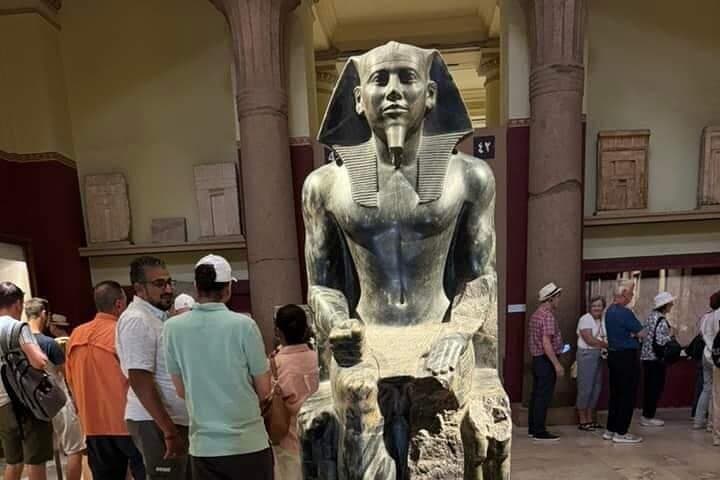
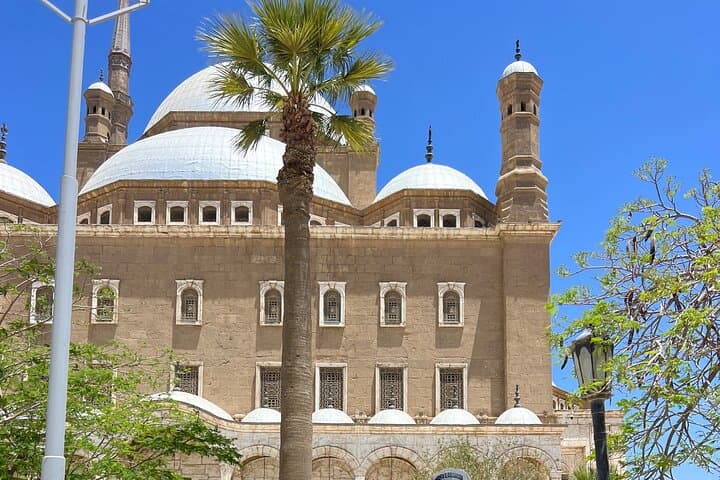
The route commonly links the Giza pyramids, the Sphinx, and a riverside taste of modern Cairo — sometimes with a stop at the Egyptian Museum or Old Cairo depending on traffic and preferences. Geologically the plateau is a band of Eocene limestone and bedrock that made the pyramids’ construction possible; culturally you’re walking through pharaonic, Greco-Roman, Coptic, and Islamic layers of history within a single day.
Expect a blend of narrative and logistics: detailed historical context, photo stops, a guided lunch of local dishes, and practical navigation of Cairo’s traffic. The tour is private and flexible — timing and emphasis can change to match your interests, from archaeology-focused to market and street-food exploration.
Practical tips: mornings are cooler and least crowded; carry sun protection and a refillable water bottle; wear closed walking shoes for uneven stone surfaces; keep passport copies for ticket purchases. The tour suits travelers of most fitness levels but includes short walks on rough terrain and vehicle transfers between sites. Respect signage and barriers—ancient masonry is fragile, and conservation rules are enforced around key monuments.
easy.
3–4 hours (itinerary lists 195 minutes).
Suitable for most fitness levels; requires short walks on uneven stone and some standing during explanations
Entrance fees vary by site and package; confirm with the operator—some tours include basic access while special inside-pyramid tickets are often extra.
It can be included depending on traffic and your interests; discuss priorities with your guide since travel time between sites affects what fits into the day.
Private transportation is listed as included; provide your pickup point when booking to confirm timing and logistics.
The tour notes wheelchair-accessible options for transport and many surfaces, but some archaeological areas have uneven terrain and limited access—check specific site accessibility in advance.
The Giza pyramids date to the Fourth Dynasty (c. 2600–2500 BCE); the plateau’s limestone quarries provided building blocks still visible in the stonework.
Conservation rules limit touching and climbing on monuments—support certified guides and local preservation efforts to minimize wear and respect protected areas.
Youssef Salama Egypt guide operates guided outdoor trips and adventures with an emphasis on safety, stewardship, and memorable experiences.
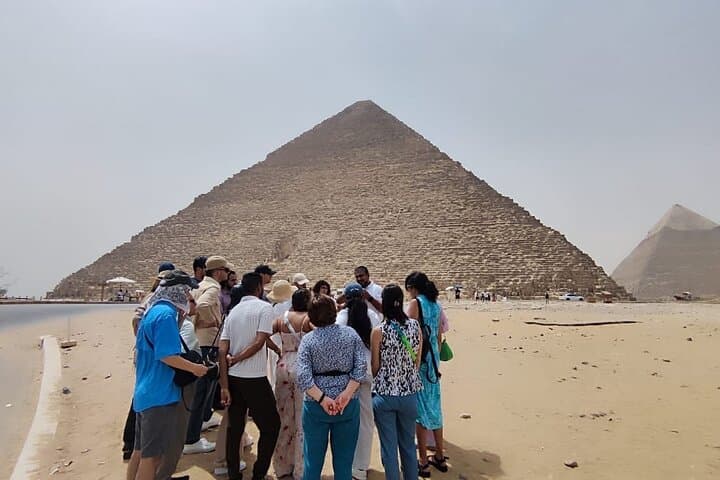
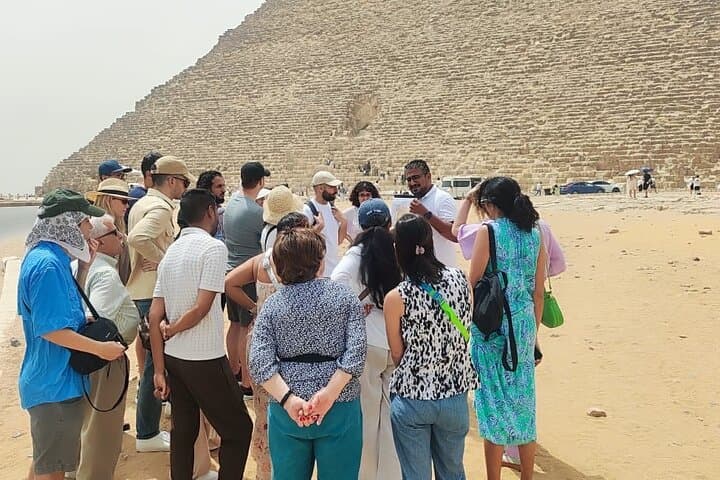
You arrive at the Giza plateau as dust and sunlight rake across the desert stones, the Great Pyramid standing like a slow-moving force against the blue sky. Camels graze at the margins; the Nile glints in the distance through the city's low-rise silhouette. A guide with decades of Egyptology experience leads, pointing out quarry seams in the limestone and the sun-worn corners where ancient hands smoothed blocks into monuments.
You arrive at the Giza plateau as dust and sunlight rake across the desert stones, the Great Pyramid standing like a slow-moving force against the blue sky. Camels graze at the margins; the Nile glints in the distance through the city's low-rise silhouette. A guide with decades of Egyptology experience leads, pointing out quarry seams in the limestone and the sun-worn corners where ancient hands smoothed blocks into monuments.
The route commonly links the Giza pyramids, the Sphinx, and a riverside taste of modern Cairo — sometimes with a stop at the Egyptian Museum or Old Cairo depending on traffic and preferences. Geologically the plateau is a band of Eocene limestone and bedrock that made the pyramids’ construction possible; culturally you’re walking through pharaonic, Greco-Roman, Coptic, and Islamic layers of history within a single day.
Expect a blend of narrative and logistics: detailed historical context, photo stops, a guided lunch of local dishes, and practical navigation of Cairo’s traffic. The tour is private and flexible — timing and emphasis can change to match your interests, from archaeology-focused to market and street-food exploration.
Practical tips: mornings are cooler and least crowded; carry sun protection and a refillable water bottle; wear closed walking shoes for uneven stone surfaces; keep passport copies for ticket purchases. The tour suits travelers of most fitness levels but includes short walks on rough terrain and vehicle transfers between sites. Respect signage and barriers—ancient masonry is fragile, and conservation rules are enforced around key monuments.