THE ADVENTURE COLLECTIVE® · Independent discovery and booking for outdoor travel

Explore Rapa Nui’s north and west on a private 6.5-hour tour that times light and crowds to prioritize moai, Orongo and Rano Kau. Practical, photo-focused and guided in English and Spanish — bring your national park ticket.
Explore Rapa Nui’s north and west on a private 6.5-hour tour that times light and crowds to prioritize moai, Orongo and Rano Kau. Practical, photo-focused and guided in English and Spanish — bring your national park ticket.
You step off the van and the wind greets you like an old islander — brisk, honest, pushing your gaze toward stone figures that still hold the coastline in their stare. This private full-day tour threads the north and west of Rapa Nui, moving between volcanic rims, coastal ahus and the quarry where moai began as raw rock.
Verified experiences and guided adventures in the surrounding area.
Operated by Easter Island Travel · Hanga Roa, Valparaíso Region
You step off the van and the wind greets you like an old islander — brisk, honest, pushing your gaze toward stone figures that still hold the coastline in their stare. This private full-day tour threads the north and west of Rapa Nui, moving between volcanic rims, coastal ahus and the quarry where moai began as raw rock.
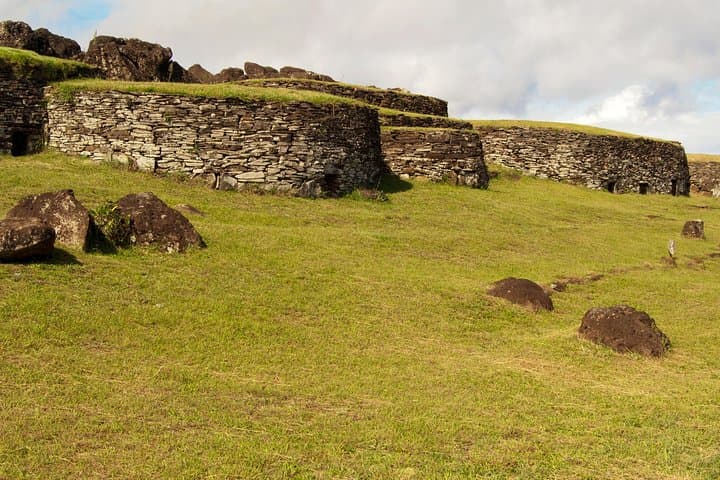
Geology is obvious: tuff cliffs, red scoria at Puna Pau and the bowl of Rano Kau crater where freshwater once sustained early settlements. History arrives in layers — Polynesian voyagers who carved and transported moai, the later birdman competitions in Orongo perched above the crater, and the disruptive arrival of missionaries and outside contact that reshaped local life.
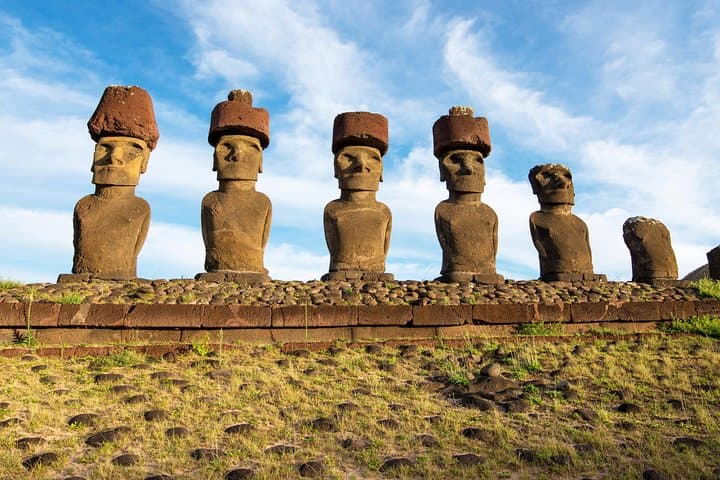
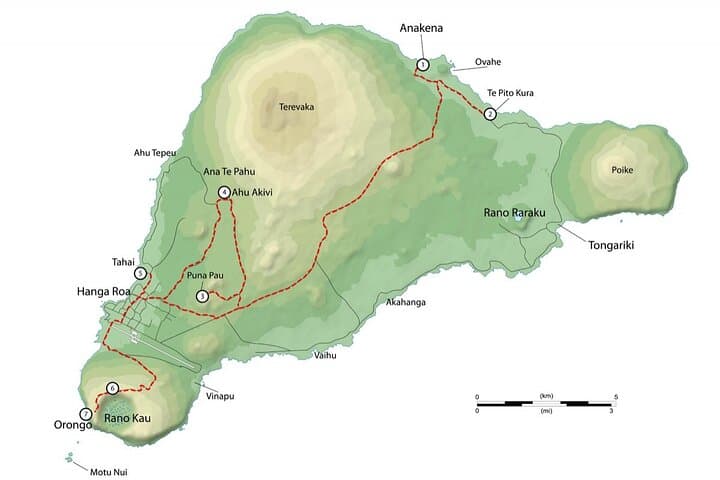
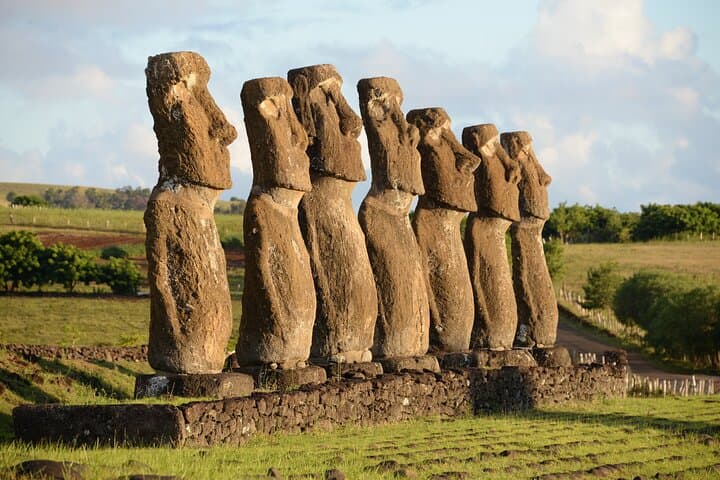
Culturally the island is alive; bilingual guides explain the practical mechanics of statue transport, clan rivalries and the ceremonial calendar. The itinerary times the light for photography and minimizes crowds, so expect focused stops at Anakena beach, Rano Raraku quarry, Ahu Tongariki and Orongo.
Practicalities: the tour runs about 6.5 hours with hotel pickup (9:15–9:45), and you must carry your Rapa Nui National Park ticket. Terrain ranges from short uneven walks and low climbs to paved viewpoints — not technical, but bring sturdy shoes and wind layers. Hydrate, bring sunscreen and a rain shell for sudden showers. If you want beach time at Anakena, plan to return independently; the guided schedule emphasizes archaeology and viewpoints. For photographers and history-minded travelers, this private routing compresses the island’s big stories into a single, manageable day.
easy.
6–7 hours.
Suitable for most fitness levels; expect short walks up to uneven crater rims and low-elevation steps.
Yes — you must purchase and carry your Rapa Nui National Park ticket; it’s available at the airport, online, or in town and will be checked during the tour.
Yes — the guide provides commentary in both English and Spanish during the same tour.
No — many sites have uneven ground and short climbs and are not suitable for wheelchairs.
Possibly, but the itinerary focuses on archaeology; if a swim is a priority, arrange additional time independently before or after the tour.
Rapa Nui was settled by Polynesian voyagers; its iconic moai and the later birdman cult reflect complex social and ritual systems shaped by limited island resources and external contact.
Rapa Nui National Park protects archaeological sites and fragile soils; visitors should stay on marked paths, avoid touching petroglyphs and pack out waste to reduce erosion and cultural damage.
Easter Island Travel operates guided outdoor trips and adventures with an emphasis on safety, stewardship, and memorable experiences.
You step off the van and the wind greets you like an old islander — brisk, honest, pushing your gaze toward stone figures that still hold the coastline in their stare. This private full-day tour threads the north and west of Rapa Nui, moving between volcanic rims, coastal ahus and the quarry where moai began as raw rock.
You step off the van and the wind greets you like an old islander — brisk, honest, pushing your gaze toward stone figures that still hold the coastline in their stare. This private full-day tour threads the north and west of Rapa Nui, moving between volcanic rims, coastal ahus and the quarry where moai began as raw rock.
Geology is obvious: tuff cliffs, red scoria at Puna Pau and the bowl of Rano Kau crater where freshwater once sustained early settlements. History arrives in layers — Polynesian voyagers who carved and transported moai, the later birdman competitions in Orongo perched above the crater, and the disruptive arrival of missionaries and outside contact that reshaped local life.
Culturally the island is alive; bilingual guides explain the practical mechanics of statue transport, clan rivalries and the ceremonial calendar. The itinerary times the light for photography and minimizes crowds, so expect focused stops at Anakena beach, Rano Raraku quarry, Ahu Tongariki and Orongo.
Practicalities: the tour runs about 6.5 hours with hotel pickup (9:15–9:45), and you must carry your Rapa Nui National Park ticket. Terrain ranges from short uneven walks and low climbs to paved viewpoints — not technical, but bring sturdy shoes and wind layers. Hydrate, bring sunscreen and a rain shell for sudden showers. If you want beach time at Anakena, plan to return independently; the guided schedule emphasizes archaeology and viewpoints. For photographers and history-minded travelers, this private routing compresses the island’s big stories into a single, manageable day.