THE ADVENTURE COLLECTIVE® · Independent discovery and booking for outdoor travel

Spend a private day tracing Rapa Nui’s greatest works—from the Rano Raraku quarry to the biggest ahu on the east—guided for the best light and smallest crowds. Ideal for photographers and anyone wanting in-depth context about the moai and island geology.
Spend a private day tracing Rapa Nui’s greatest works—from the Rano Raraku quarry to the biggest ahu on the east—guided for the best light and smallest crowds. Ideal for photographers and anyone wanting in-depth context about the moai and island geology.
You step out of Hanga Roa into a wind that carries sea salt and the low, muffled presence of stone. The island’s sculpted giants loom at the horizon: some upright on their ahu platforms, others half-buried like slow-moving tides of volcanic rock. Over six hours you move from coastal blowholes and engineered rock walls to the quarry where moai were carved, the light shifting across faces that still hold the memory of hands and tools.
Verified experiences and guided adventures in the surrounding area.
Operated by Easter Island Travel · Hanga Roa, Valparaíso Region
You step out of Hanga Roa into a wind that carries sea salt and the low, muffled presence of stone. The island’s sculpted giants loom at the horizon: some upright on their ahu platforms, others half-buried like slow-moving tides of volcanic rock. Over six hours you move from coastal blowholes and engineered rock walls to the quarry where moai were carved, the light shifting across faces that still hold the memory of hands and tools.
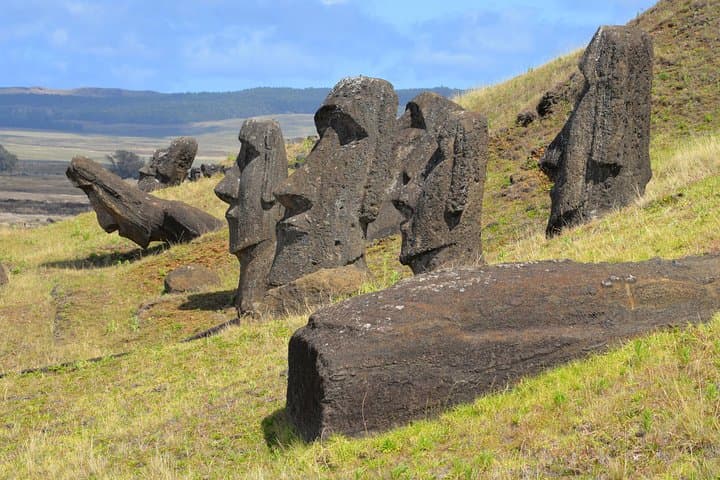
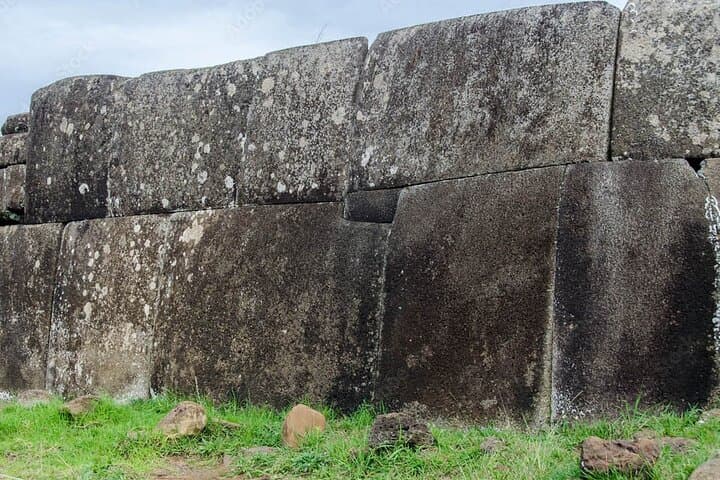
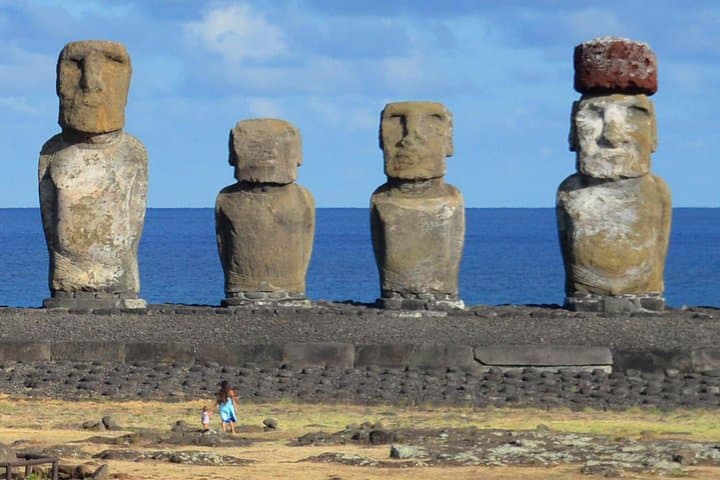
Easter Island (Rapa Nui) is a volcanic remnant shaped by explosive eruptions and centuries of human effort. The moai were carved mostly from the tuff of Rano Raraku and transported across rough lava plains to ceremonial platforms (ahu). Cultural layers here are visible in stone: expertly fitted ahu at Vinapu, fallen statues at a once-busy village site, and reconstructed dwellings that hint at daily life on an isolated Polynesian outpost.
Expect uneven cobbles, short walks between lookouts, and a pace set by your guide to catch the best light. The private format means questions, longer photo stops, and a route tweaked to avoid crowds when possible. Practicalities: buy the Rapa Nui National Park ticket on arrival and carry it during visits, wear sturdy shoes (flip-flops make the lava unforgiving), and pack sun protection and a light rain shell—weather changes quickly.
Photography rewards the early and late hours; respect the moai—don’t touch or climb—and follow your guide’s route to protect fragile archaeological deposits. This tour is both an archaeological immersion and a practical, walk-heavy day across one of the world’s most singular island landscapes.
moderate.
6–7 hours.
Moderate fitness for repeated short walks on uneven, rocky surfaces; ability to climb short slopes and stand for photo stops.
The park ticket (approx. 80 USD) is typically purchased on arrival at the airport or at park entrances—bring payment and carry the ticket during site visits.
The tour includes several short walks on uneven ground; it’s generally suitable for fit older travelers who have steady mobility but not for those unable to walk unassisted.
The tour price does not include the national park fee; bottled water and transport are provided, but meals are not typically included—confirm with the operator if you need lunch arranged.
Photography is allowed, but you must not touch, climb, or lean on moai or ahu; guides will indicate appropriate viewing distances to protect the monuments.
Rapa Nui was settled by Polynesian voyagers; most moai were quarried from Rano Raraku and transported to ahu around the island as expressions of lineage and ancestor veneration.
Rapa Nui National Park protects archaeological sites—stay on marked paths, do not remove artifacts, and follow guide instructions to reduce erosion and cultural damage.
Easter Island Travel operates guided outdoor trips and adventures with an emphasis on safety, stewardship, and memorable experiences.
You step out of Hanga Roa into a wind that carries sea salt and the low, muffled presence of stone. The island’s sculpted giants loom at the horizon: some upright on their ahu platforms, others half-buried like slow-moving tides of volcanic rock. Over six hours you move from coastal blowholes and engineered rock walls to the quarry where moai were carved, the light shifting across faces that still hold the memory of hands and tools.
You step out of Hanga Roa into a wind that carries sea salt and the low, muffled presence of stone. The island’s sculpted giants loom at the horizon: some upright on their ahu platforms, others half-buried like slow-moving tides of volcanic rock. Over six hours you move from coastal blowholes and engineered rock walls to the quarry where moai were carved, the light shifting across faces that still hold the memory of hands and tools.
Easter Island (Rapa Nui) is a volcanic remnant shaped by explosive eruptions and centuries of human effort. The moai were carved mostly from the tuff of Rano Raraku and transported across rough lava plains to ceremonial platforms (ahu). Cultural layers here are visible in stone: expertly fitted ahu at Vinapu, fallen statues at a once-busy village site, and reconstructed dwellings that hint at daily life on an isolated Polynesian outpost.
Expect uneven cobbles, short walks between lookouts, and a pace set by your guide to catch the best light. The private format means questions, longer photo stops, and a route tweaked to avoid crowds when possible. Practicalities: buy the Rapa Nui National Park ticket on arrival and carry it during visits, wear sturdy shoes (flip-flops make the lava unforgiving), and pack sun protection and a light rain shell—weather changes quickly.
Photography rewards the early and late hours; respect the moai—don’t touch or climb—and follow your guide’s route to protect fragile archaeological deposits. This tour is both an archaeological immersion and a practical, walk-heavy day across one of the world’s most singular island landscapes.