THE ADVENTURE COLLECTIVE® · Independent discovery and booking for outdoor travel

Escape London for a private full-day tour through the Cotswolds’ honey-stone villages, from Burford and Bibury to Bourton-on-the-Water and Stratford-upon-Avon. Expect short walks, panoramic ridge views at Cleeve Hill, and a steady stream of historic market towns.
Escape London for a private full-day tour through the Cotswolds’ honey-stone villages, from Burford and Bibury to Bourton-on-the-Water and Stratford-upon-Avon. Expect short walks, panoramic ridge views at Cleeve Hill, and a steady stream of historic market towns.
You step out of London’s rhythm into low limestone ridges and wide pastoral valleys before the driver eases the vehicle down a narrowing lane. The first stop, Burford, opens with a gentle slope of honey-coloured stone and the River Windrush daring you to slow down; later, Bibury’s Arlington Row frames the Coln like a living postcard, and Cleeve Hill delivers a clear-sky sweep across the Severn Vale.
Verified experiences and guided adventures in the surrounding area.
Operated by WonderVia Tours · Bourton-on-the-Water, Gloucestershire
You step out of London’s rhythm into low limestone ridges and wide pastoral valleys before the driver eases the vehicle down a narrowing lane. The first stop, Burford, opens with a gentle slope of honey-coloured stone and the River Windrush daring you to slow down; later, Bibury’s Arlington Row frames the Coln like a living postcard, and Cleeve Hill delivers a clear-sky sweep across the Severn Vale.
This landscape is shaped by Jurassic oolite—soft, creamy limestone quarried for centuries to stack the region’s compact villages. Wool wealth in the medieval period explains the broad market squares of Stow-on-the-Wold and the ornate doors of its churches; by the Tudor era Stratford-upon-Avon added a literary layer with Shakespeare’s birthplace and riverside walks.
Culturally, the Cotswolds balances small-scale agriculture, craft shops, and tearooms that still serve local cheeses and baked goods. Geology and human history meet on ridge lines and market squares, where stone walls push lines across fields and lanes.
Practical guidance: expect light walking on paved streets, short inclines at market squares and a brief ascent to Cleeve Hill (approx. 330 m). Wear supportive shoes and bring a waterproof layer—weather can change quickly. Hydrate and plan for limited time in each stop: most visits run 30–75 minutes. If you want to linger, identify one village to explore deeper and ask the guide to adjust the timing. Parking and narrow lanes make a private driver-guide an advantage; they handle logistics while you collect the views, local stories, and the quiet pace the Cotswolds offers.
easy.
8–10 hours.
Suitable for most fitness levels; involves short, gentle walks and standing during village exploration.
Pickup and drop-off are provided from your London hotel or agreed meeting point—confirm the exact pickup location and time when booking.
Walking is light: short strolls through villages and a brief walk at Cleeve Hill; most transportation is by private vehicle, suitable for all fitness levels.
Standard tours do not include paid admissions; time at Stratford allows for riverside visits and exterior viewing, but confirm if you want to add museum entry in advance.
The tour accommodates families and strollers on paved village streets; mobility needs should be communicated at booking so guides can adapt timing and routing.
The Cotswolds grew wealthy on medieval wool trade; many market towns expanded on that commerce, which funded stone churches and broad market squares.
Much of the region is an Area of Outstanding Natural Beauty—respect footpaths, keep to marked trails, and support local businesses to help maintain landscapes.
WonderVia Tours operates guided outdoor trips and adventures with an emphasis on safety, stewardship, and memorable experiences.
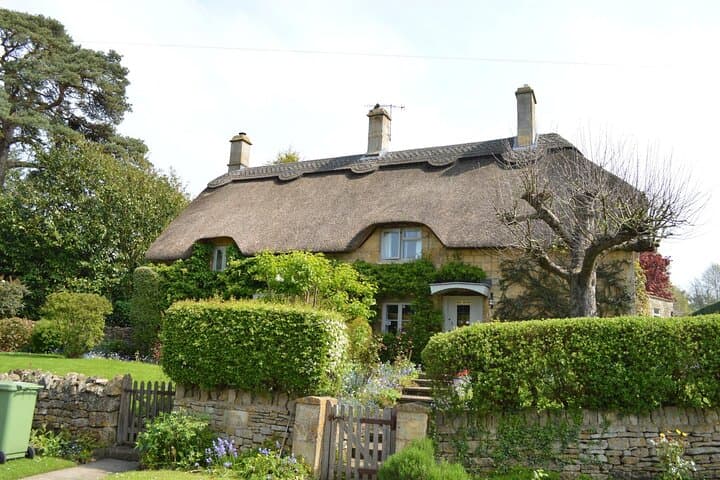
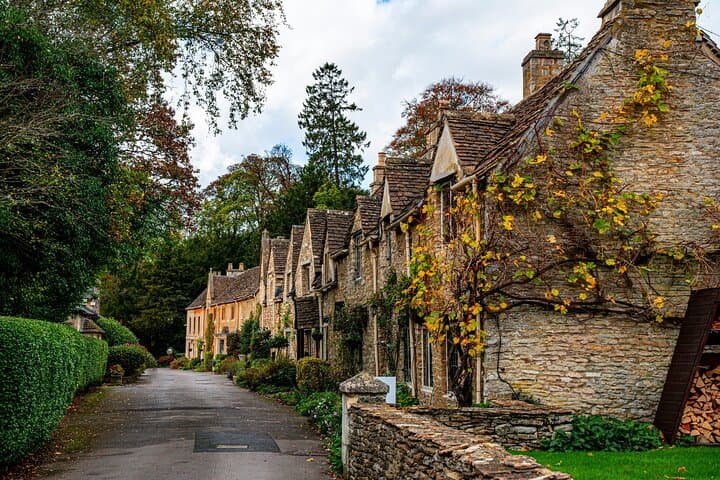
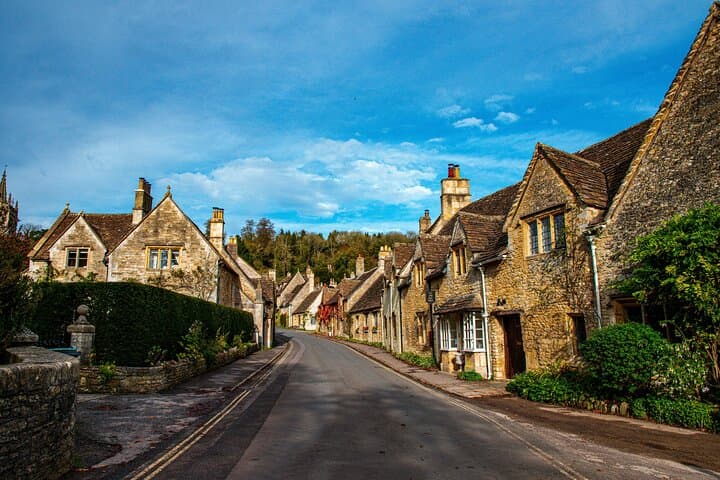
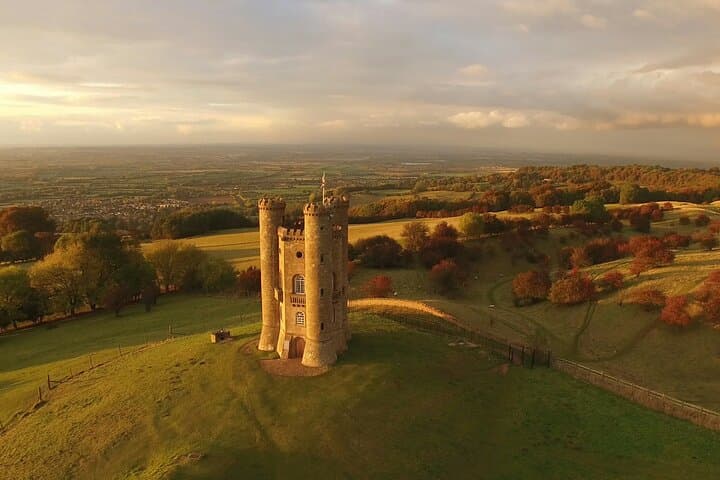
You step out of London’s rhythm into low limestone ridges and wide pastoral valleys before the driver eases the vehicle down a narrowing lane. The first stop, Burford, opens with a gentle slope of honey-coloured stone and the River Windrush daring you to slow down; later, Bibury’s Arlington Row frames the Coln like a living postcard, and Cleeve Hill delivers a clear-sky sweep across the Severn Vale.
You step out of London’s rhythm into low limestone ridges and wide pastoral valleys before the driver eases the vehicle down a narrowing lane. The first stop, Burford, opens with a gentle slope of honey-coloured stone and the River Windrush daring you to slow down; later, Bibury’s Arlington Row frames the Coln like a living postcard, and Cleeve Hill delivers a clear-sky sweep across the Severn Vale.
This landscape is shaped by Jurassic oolite—soft, creamy limestone quarried for centuries to stack the region’s compact villages. Wool wealth in the medieval period explains the broad market squares of Stow-on-the-Wold and the ornate doors of its churches; by the Tudor era Stratford-upon-Avon added a literary layer with Shakespeare’s birthplace and riverside walks.
Culturally, the Cotswolds balances small-scale agriculture, craft shops, and tearooms that still serve local cheeses and baked goods. Geology and human history meet on ridge lines and market squares, where stone walls push lines across fields and lanes.
Practical guidance: expect light walking on paved streets, short inclines at market squares and a brief ascent to Cleeve Hill (approx. 330 m). Wear supportive shoes and bring a waterproof layer—weather can change quickly. Hydrate and plan for limited time in each stop: most visits run 30–75 minutes. If you want to linger, identify one village to explore deeper and ask the guide to adjust the timing. Parking and narrow lanes make a private driver-guide an advantage; they handle logistics while you collect the views, local stories, and the quiet pace the Cotswolds offers.