THE ADVENTURE COLLECTIVE® · Independent discovery and booking for outdoor travel

Step off the highway into a town frozen in colonial lines: white facades, carved balconies, and the Puente de Occidente spanning the Cauca. This private full‑day tour from Medellín pairs slow cultural walks with a historic bridge crossing and a traditional lunch in one of Colombia’s oldest hotels.
Step off the highway into a town frozen in colonial lines: white facades, carved balconies, and the Puente de Occidente spanning the Cauca. This private full‑day tour from Medellín pairs slow cultural walks with a historic bridge crossing and a traditional lunch in one of Colombia’s oldest hotels.
You arrive by road as the hills ease and the Cauca River drops into a wide, sunlit valley — Santa Fe de Antioquia announces itself with whitewashed facades, carved wooden doors, and the clack of boots on cobblestones. The town's plazas breathe with the slow rhythm of provincial life; bougainvillea slides over balconies while the river below keeps time.
Verified experiences and guided adventures in the surrounding area.
Operated by Discovering Medellin · Santa Fe de Antioquia, Antioquia
You arrive by road as the hills ease and the Cauca River drops into a wide, sunlit valley — Santa Fe de Antioquia announces itself with whitewashed facades, carved wooden doors, and the clack of boots on cobblestones. The town's plazas breathe with the slow rhythm of provincial life; bougainvillea slides over balconies while the river below keeps time.
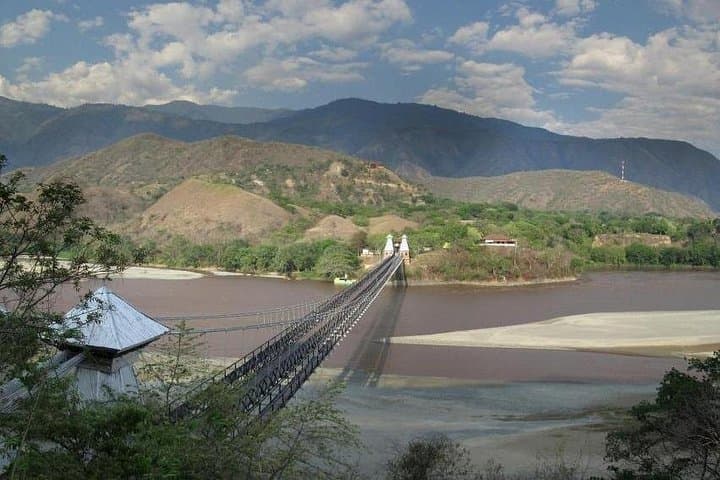
Founded in 1541, Santa Fe de Antioquia was an early regional capital and a hub of colonial trade. Its buildings preserve double-height balconies and Spanish‑colonial proportions; geology here is defined by the Cauca River valley cutting through volcanic highlands, leaving steep banks and a mix of clay and rocky outcrops that shaped roads and bridges. The Puente de Occidente, completed in 1895 and later declared a National Monument, still spans the river — a steel ribbon that once ranked among the world's longest suspension bridges and now links local histories on either side.
Local culture leans traditional: coffee, arepas, and slow lunchtime conversations at historic spots such as the Mariscal Robledo Hotel, where colonial rooms and a private library recall another era. Expect warm, dry air in the day and cooler pockets of shade under old trees.
Practical guidance: plan for a 7–8 hour private excursion from Medellín (roughly 1.5–2 hours each way), wear sturdy shoes for uneven cobbles, carry sun protection and water, and bring small cash for markets. The route is low‑technical but demands steady footing; take pauses to let the bridge sway and the town’s layered past register before heading back to the city.
easy.
7–8 hours.
Light walking on flat to gently sloped streets, suitable for most people who can handle a few hours on foot
Expect roughly 1.5–2 hours each way depending on traffic and your pickup point in Medellín.
Yes — the bridge is a protected monument and open to pedestrians, though it can sway slightly underfoot so take care if you have balance concerns.
No major hikes — the tour involves walking through town streets and short inclines; comfortable walking ability is sufficient.
Most private tours can arrange meal preferences if notified at booking; bring dietary requests when you provide passenger information.
Founded in 1541, Santa Fe de Antioquia served as an early administrative and commercial center; its preserved colonial architecture reflects two centuries of regional prominence.
The town balances tourism with historic preservation; visitors are encouraged to respect private architecture, avoid graffiti, and use designated paths to limit wear on cobblestone streets.
Discovering Medellin operates guided outdoor trips and adventures with an emphasis on safety, stewardship, and memorable experiences.
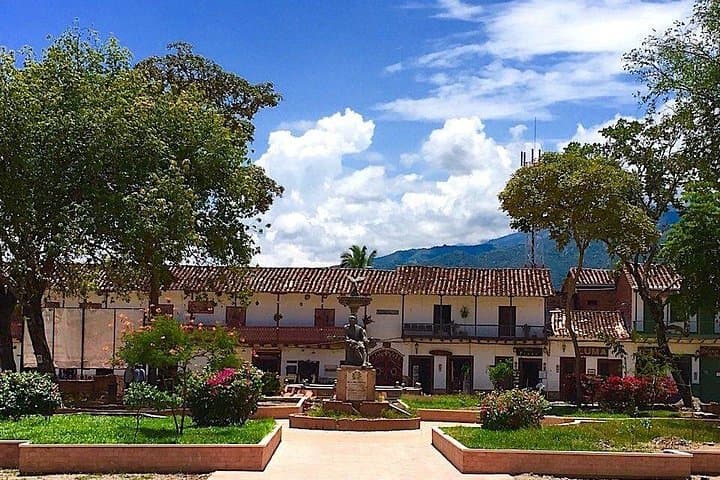
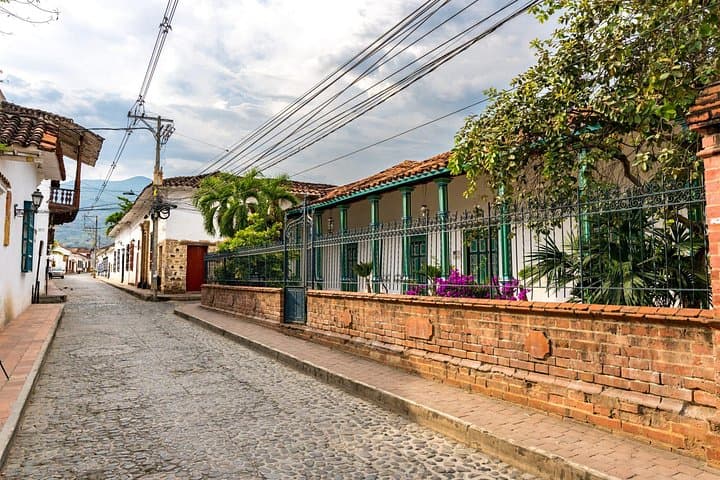
You arrive by road as the hills ease and the Cauca River drops into a wide, sunlit valley — Santa Fe de Antioquia announces itself with whitewashed facades, carved wooden doors, and the clack of boots on cobblestones. The town's plazas breathe with the slow rhythm of provincial life; bougainvillea slides over balconies while the river below keeps time.
You arrive by road as the hills ease and the Cauca River drops into a wide, sunlit valley — Santa Fe de Antioquia announces itself with whitewashed facades, carved wooden doors, and the clack of boots on cobblestones. The town's plazas breathe with the slow rhythm of provincial life; bougainvillea slides over balconies while the river below keeps time.
Founded in 1541, Santa Fe de Antioquia was an early regional capital and a hub of colonial trade. Its buildings preserve double-height balconies and Spanish‑colonial proportions; geology here is defined by the Cauca River valley cutting through volcanic highlands, leaving steep banks and a mix of clay and rocky outcrops that shaped roads and bridges. The Puente de Occidente, completed in 1895 and later declared a National Monument, still spans the river — a steel ribbon that once ranked among the world's longest suspension bridges and now links local histories on either side.
Local culture leans traditional: coffee, arepas, and slow lunchtime conversations at historic spots such as the Mariscal Robledo Hotel, where colonial rooms and a private library recall another era. Expect warm, dry air in the day and cooler pockets of shade under old trees.
Practical guidance: plan for a 7–8 hour private excursion from Medellín (roughly 1.5–2 hours each way), wear sturdy shoes for uneven cobbles, carry sun protection and water, and bring small cash for markets. The route is low‑technical but demands steady footing; take pauses to let the bridge sway and the town’s layered past register before heading back to the city.