THE ADVENTURE COLLECTIVE® · Independent discovery and booking for outdoor travel

Spend a full day from Paris exploring Champagne’s cellars, Gothic Reims, and village producers. This private tour pairs famous houses with family-run domaines for tastings and local context.
Spend a full day from Paris exploring Champagne’s cellars, Gothic Reims, and village producers. This private tour pairs famous houses with family-run domaines for tastings and local context.
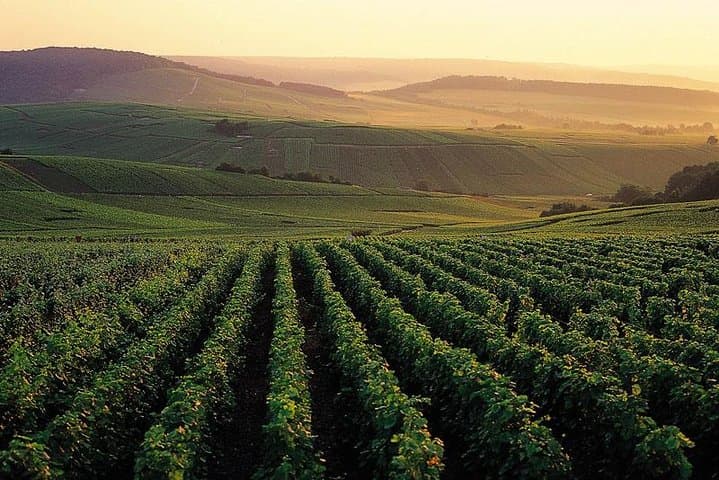
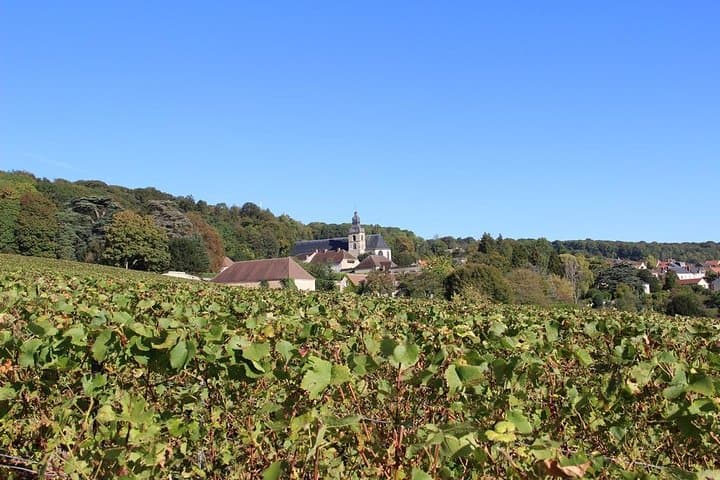
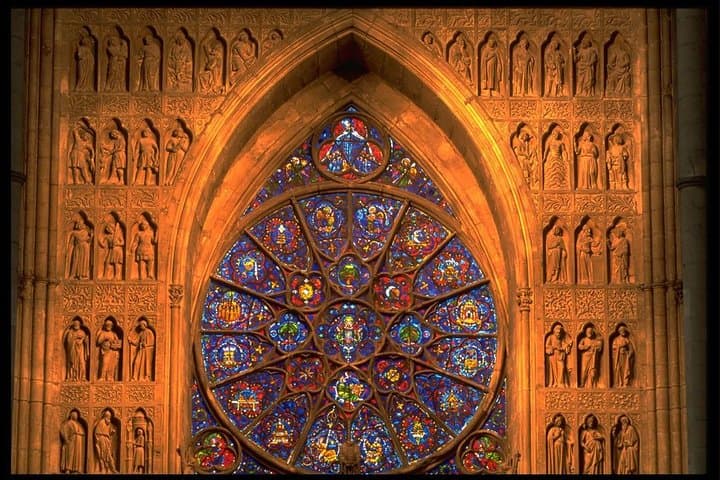
You step out of Paris morning traffic onto a highway that unspools toward chalk hills and miles of neatly trained vines; the air changes from city exhaust to a faint, yeasty sweetness that hints at fermenting must. The day unfolds across the Montagne de Reims and the Marne valley: a major house in Epernay or Reims with its vaulted cellars, a Gothic cathedral scarred and restored, and the narrow streets of Hautvillers where Dom Pérignon once worked.
Verified experiences and guided adventures in the surrounding area.
Operated by ARTVENTURES FRANCE · Reims, Grand Est
You step out of Paris morning traffic onto a highway that unspools toward chalk hills and miles of neatly trained vines; the air changes from city exhaust to a faint, yeasty sweetness that hints at fermenting must. The day unfolds across the Montagne de Reims and the Marne valley: a major house in Epernay or Reims with its vaulted cellars, a Gothic cathedral scarred and restored, and the narrow streets of Hautvillers where Dom Pérignon once worked.
Champagne’s geology is decisive — Cretaceous chalk underpins the region, providing excellent drainage and a mineral signature that winemakers prize. Reims cathedral recalls a medieval past of coronations and twentieth-century reconstruction; village names like Hautvillers carry monastic and agricultural histories that shaped méthode traditionnelle.
Expect guided cellar tours, seated tastings at a grandes maisons and a smaller family producer, and a balanced itinerary that includes a 1.5-hour lunch break. Travel time from Paris is roughly two hours each way, so plan for a 10–11 hour day. Terrain is flat to gently rolling; walking is mostly on paved village streets and cellar stairs.
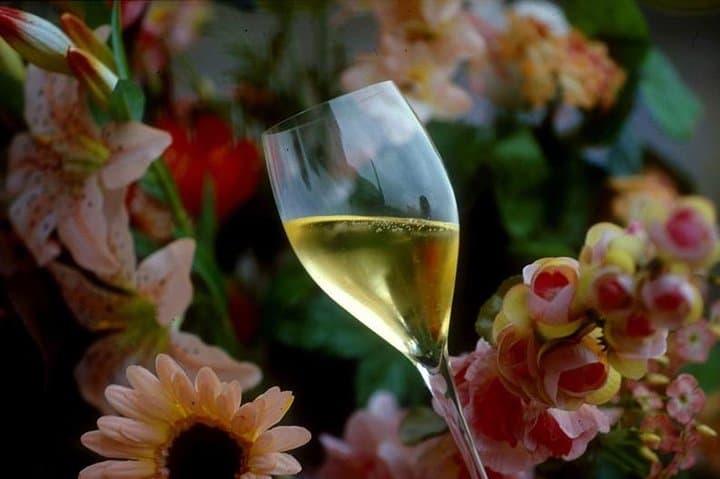
Practical tips: bring a government ID for tastings, wear comfortable, closed-toe shoes for cellar stairs, and carry a small bottle of water between tastings. Timing matters — aim for a midweek visit to avoid weekend crowds in Epernay. Respect vineyard boundaries and ask before photographing private cellars. This tour is low-impact physically but rich in sensory detail: the pop of a cork, chalk dust underfoot, and curated conversations about méthode and terroir that make Champagne more than a celebration — it’s a craft you can taste.
easy.
10–11 hours.
Light — suitable for travelers comfortable with several short walks and standing during guided tastings.
The tour includes hotel pick-up and drop-off in Paris; exact pickup location is confirmed at booking.
Yes — tastings at one major house and at least one smaller producer are included; serving sizes vary by house.
Physically the tour is easy, but it’s not recommended for pregnant travelers; non-drinkers can still join for the cultural and cellar visits.
All sales are final per the booking terms — cancellations are non-refundable, so confirm details before booking.
The region’s sparkling method was refined by monks like Dom Pérignon and expanded by 19th-century houses in Reims and Epernay; Reims cathedral served as the coronation site for French kings.
Vineyard practices increasingly favor integrated pest management and sustainable viticulture; visitors should stay on paths and avoid trampling young vines.
ARTVENTURES FRANCE operates guided outdoor trips and adventures with an emphasis on safety, stewardship, and memorable experiences.
You step out of Paris morning traffic onto a highway that unspools toward chalk hills and miles of neatly trained vines; the air changes from city exhaust to a faint, yeasty sweetness that hints at fermenting must. The day unfolds across the Montagne de Reims and the Marne valley: a major house in Epernay or Reims with its vaulted cellars, a Gothic cathedral scarred and restored, and the narrow streets of Hautvillers where Dom Pérignon once worked.
You step out of Paris morning traffic onto a highway that unspools toward chalk hills and miles of neatly trained vines; the air changes from city exhaust to a faint, yeasty sweetness that hints at fermenting must. The day unfolds across the Montagne de Reims and the Marne valley: a major house in Epernay or Reims with its vaulted cellars, a Gothic cathedral scarred and restored, and the narrow streets of Hautvillers where Dom Pérignon once worked.
Champagne’s geology is decisive — Cretaceous chalk underpins the region, providing excellent drainage and a mineral signature that winemakers prize. Reims cathedral recalls a medieval past of coronations and twentieth-century reconstruction; village names like Hautvillers carry monastic and agricultural histories that shaped méthode traditionnelle.
Expect guided cellar tours, seated tastings at a grandes maisons and a smaller family producer, and a balanced itinerary that includes a 1.5-hour lunch break. Travel time from Paris is roughly two hours each way, so plan for a 10–11 hour day. Terrain is flat to gently rolling; walking is mostly on paved village streets and cellar stairs.
Practical tips: bring a government ID for tastings, wear comfortable, closed-toe shoes for cellar stairs, and carry a small bottle of water between tastings. Timing matters — aim for a midweek visit to avoid weekend crowds in Epernay. Respect vineyard boundaries and ask before photographing private cellars. This tour is low-impact physically but rich in sensory detail: the pop of a cork, chalk dust underfoot, and curated conversations about méthode and terroir that make Champagne more than a celebration — it’s a craft you can taste.