THE ADVENTURE COLLECTIVE® · Independent discovery and booking for outdoor travel

Set sail from Grace Bay on a private 44-foot catamaran for a full day of shallow turquoise water, secluded beaches, and close-up wildlife encounters. Visit Pine Cay, Half Moon Bay, Sand Dollar Bar and Little Water Cay with customizable stops for snorkeling, swimming, and shelling.
Set sail from Grace Bay on a private 44-foot catamaran for a full day of shallow turquoise water, secluded beaches, and close-up wildlife encounters. Visit Pine Cay, Half Moon Bay, Sand Dollar Bar and Little Water Cay with customizable stops for snorkeling, swimming, and shelling.
Morning on Grace Bay begins with a low, liquid hush: the catamaran slips away from the line of hotels, the hull cutting a quiet ribbon through turquoise that seems to glow from below. Guests gather at the gas station in front of Salt restaurant, backpacks and reef shoes in hand, and within minutes the 44-foot Big Ben unfurls its sails. Wind takes over, the lagoon opens, and the day stretches wide—Pine Cay’s shoals, Half Moon Bay’s shallow plates, a sandbar that parks you on the surface of the sea.
Verified experiences and guided adventures in the surrounding area.
Operated by Amandine · Providenciales, Providenciales
Morning on Grace Bay begins with a low, liquid hush: the catamaran slips away from the line of hotels, the hull cutting a quiet ribbon through turquoise that seems to glow from below. Guests gather at the gas station in front of Salt restaurant, backpacks and reef shoes in hand, and within minutes the 44-foot Big Ben unfurls its sails. Wind takes over, the lagoon opens, and the day stretches wide—Pine Cay’s shoals, Half Moon Bay’s shallow plates, a sandbar that parks you on the surface of the sea.
The route reads like a compact primer on the islands. Grace Bay’s crescent for angle-of-view shoreline, Pine Cay’s blank-slate beach for long barefoot walks, and Half Moon Bay’s shallow flats where the water is almost conspiratorial—warm, clear, and daring you to wade. Little Water Cay hosts the endangered Turks and Caicos rock iguana; their slow, sun-baked presence is a reminder these islands are not only for visitors but home to species shaped by isolation.
Geology here is simple and patient: waves and wind working on limestone and coral, breaking down reefs into sugar-fine sand that coats the shallows. History is compact but present—the salt-raking industry and the seasonal conch harvest shaped settlement patterns, and you’ll notice old stone jetties and family-run fishing skiffs that recall that legacy. Today the culture turns toward hospitality: boat captains who grew up reading tides, chefs who fold local conch and citrus into light plates, and a tourism economy that still hinges on clean water and healthy reefs.
Practicalities anchor the romance. The tour is customizable and runs about eight hours; expect multiple short stops for swimming, shelling, and snorkeling. Snorkel sites sit over patch reefs and seagrass beds—bring reef-safe sunscreen and a mask that fits. The catamaran is stable but bring a light jacket for the breeze and water shoes for sandbars and rocky shores. If you’re prone to motion sickness, take medication before boarding; the lagoon is usually calm but the open passages can get choppy.
Local etiquette matters: don’t chase or feed iguanas, avoid standing on coral, and take your trash with you. Timing makes a difference—depart early to beat the heat and midday crowds on the sandbar, or aim for late afternoon for softer light and cooling breezes. The company provides drinks and snacks, but pack an insulated bottle and a dry bag for valuables. By day’s end the boat eases back toward Grace Bay with sun-bleached hair and pockets full of shells; the sea has done what it promises—slowed time, sharpened senses, and left you with a clear picture of why these islands keep pulling people back.
easy.
8 hours.
Suitable for all fitness levels; requires basic mobility to board and walk on sandbars
Meeting point is at the gas station in front of Salt restaurant on Grace Bay; the operator boards everyone there.
Yes — the tour is family-friendly; shallow waters at Half Moon Bay are ideal for kids but supervise them closely.
Yes — the itinerary includes snorkeling stops; bring your own mask and fins or request rentals in advance if available.
The tour provides bottled water, soda, snacks and alcoholic beverages as listed, but bringing extra water is recommended.
Expect to see Turks and Caicos rock iguanas on Little Water Cay and seabirds; marine life includes reef fish and occasional rays.
For a full refund cancel at least 24 hours before departure; the operator may cancel for bad weather.
The Providenciales coastline was historically used for salt raking and small-scale fishing; those activities shaped settlement and local boatbuilding traditions.
The health of reefs and seagrass is central to local tourism—use reef-safe products, avoid standing on coral, and follow guides’ instructions to minimize impact.
Amandine operates guided outdoor trips and adventures with an emphasis on safety, stewardship, and memorable experiences.
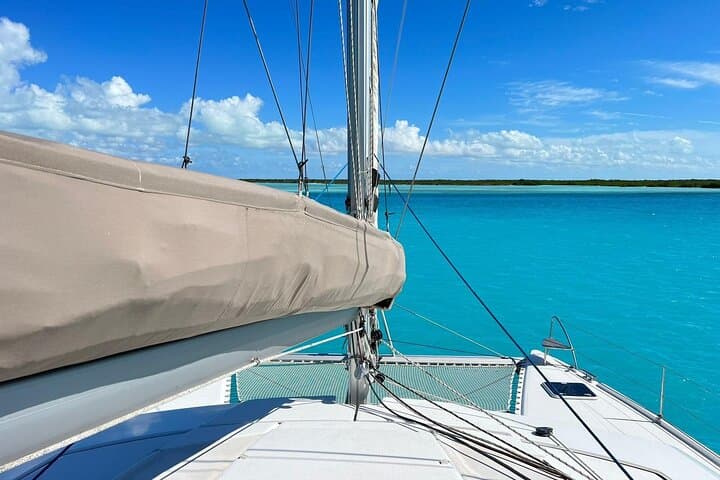
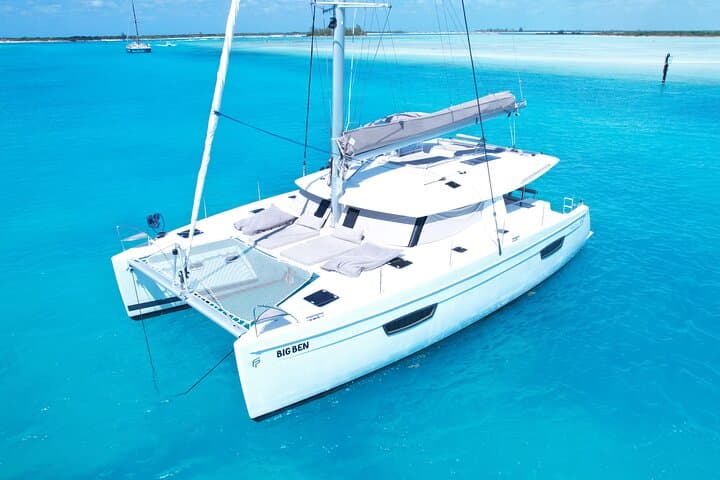
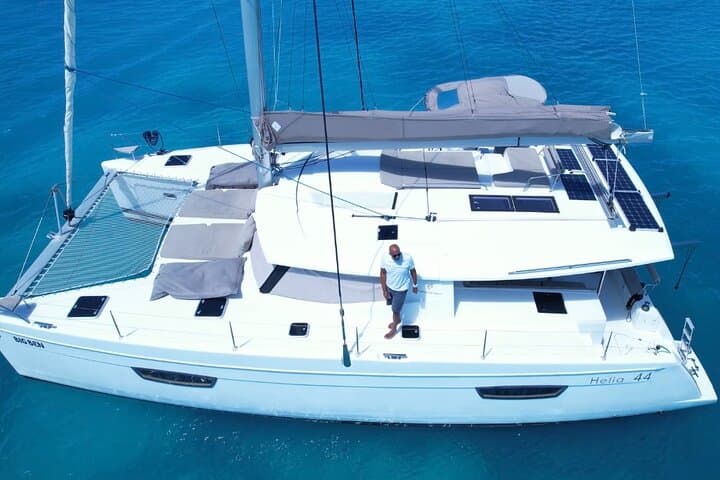
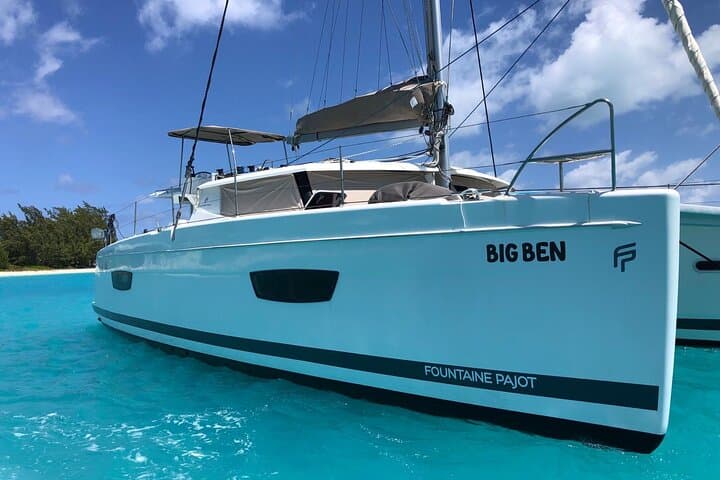
Morning on Grace Bay begins with a low, liquid hush: the catamaran slips away from the line of hotels, the hull cutting a quiet ribbon through turquoise that seems to glow from below. Guests gather at the gas station in front of Salt restaurant, backpacks and reef shoes in hand, and within minutes the 44-foot Big Ben unfurls its sails. Wind takes over, the lagoon opens, and the day stretches wide—Pine Cay’s shoals, Half Moon Bay’s shallow plates, a sandbar that parks you on the surface of the sea.
Morning on Grace Bay begins with a low, liquid hush: the catamaran slips away from the line of hotels, the hull cutting a quiet ribbon through turquoise that seems to glow from below. Guests gather at the gas station in front of Salt restaurant, backpacks and reef shoes in hand, and within minutes the 44-foot Big Ben unfurls its sails. Wind takes over, the lagoon opens, and the day stretches wide—Pine Cay’s shoals, Half Moon Bay’s shallow plates, a sandbar that parks you on the surface of the sea.
The route reads like a compact primer on the islands. Grace Bay’s crescent for angle-of-view shoreline, Pine Cay’s blank-slate beach for long barefoot walks, and Half Moon Bay’s shallow flats where the water is almost conspiratorial—warm, clear, and daring you to wade. Little Water Cay hosts the endangered Turks and Caicos rock iguana; their slow, sun-baked presence is a reminder these islands are not only for visitors but home to species shaped by isolation.
Geology here is simple and patient: waves and wind working on limestone and coral, breaking down reefs into sugar-fine sand that coats the shallows. History is compact but present—the salt-raking industry and the seasonal conch harvest shaped settlement patterns, and you’ll notice old stone jetties and family-run fishing skiffs that recall that legacy. Today the culture turns toward hospitality: boat captains who grew up reading tides, chefs who fold local conch and citrus into light plates, and a tourism economy that still hinges on clean water and healthy reefs.
Practicalities anchor the romance. The tour is customizable and runs about eight hours; expect multiple short stops for swimming, shelling, and snorkeling. Snorkel sites sit over patch reefs and seagrass beds—bring reef-safe sunscreen and a mask that fits. The catamaran is stable but bring a light jacket for the breeze and water shoes for sandbars and rocky shores. If you’re prone to motion sickness, take medication before boarding; the lagoon is usually calm but the open passages can get choppy.
Local etiquette matters: don’t chase or feed iguanas, avoid standing on coral, and take your trash with you. Timing makes a difference—depart early to beat the heat and midday crowds on the sandbar, or aim for late afternoon for softer light and cooling breezes. The company provides drinks and snacks, but pack an insulated bottle and a dry bag for valuables. By day’s end the boat eases back toward Grace Bay with sun-bleached hair and pockets full of shells; the sea has done what it promises—slowed time, sharpened senses, and left you with a clear picture of why these islands keep pulling people back.