THE ADVENTURE COLLECTIVE® · Independent discovery and booking for outdoor travel

Take a full-day private tour from Rome to Capri to explore the Blue Grotto, Monte Solaro, and the Faraglioni with a local guide. Expect early travel, narrow coastal roads, and weather-dependent grotto access.
Take a full-day private tour from Rome to Capri to explore the Blue Grotto, Monte Solaro, and the Faraglioni with a local guide. Expect early travel, narrow coastal roads, and weather-dependent grotto access.
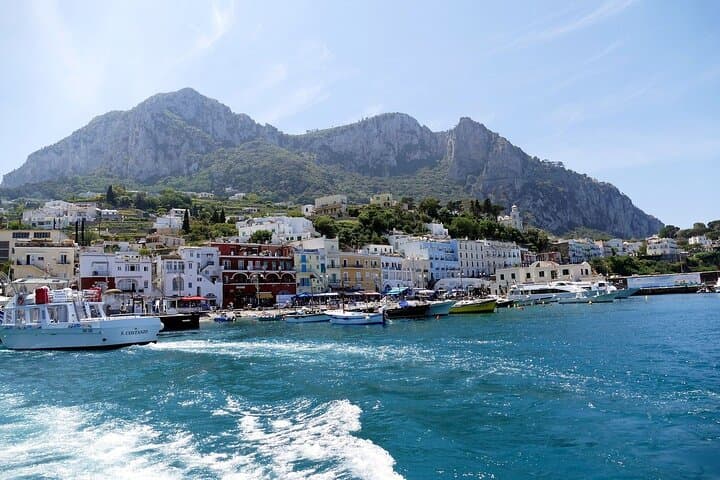
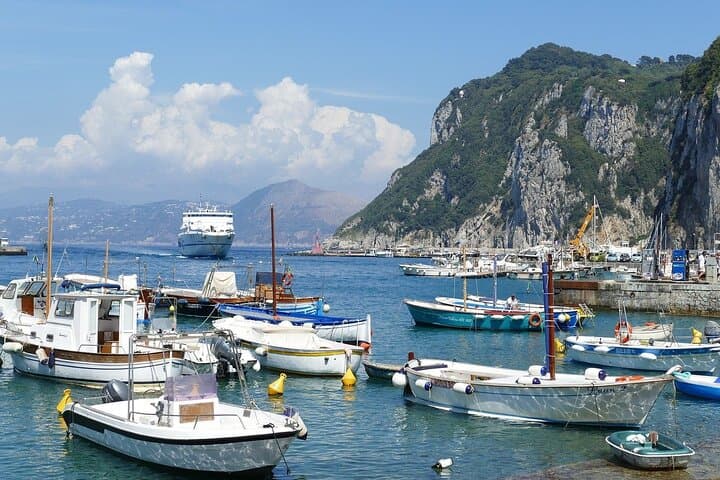
You step off the jetfoil with salt in the air and a steep road climbing from the harbor — Capri announces itself with the sharp scent of Mediterranean herbs and the constant lapping of turquoise water. The island moves in contrasts: sunlit limestone cliffs, sudden shaded alleys, and the uncluttered blue of the Faraglioni rising like stone fingers from the sea.
Verified experiences and guided adventures in the surrounding area.
Operated by Stress Free Tours - Guided Tours and drivers in Rome and Italy · Capri, Campania
You step off the jetfoil with salt in the air and a steep road climbing from the harbor — Capri announces itself with the sharp scent of Mediterranean herbs and the constant lapping of turquoise water. The island moves in contrasts: sunlit limestone cliffs, sudden shaded alleys, and the uncluttered blue of the Faraglioni rising like stone fingers from the sea.
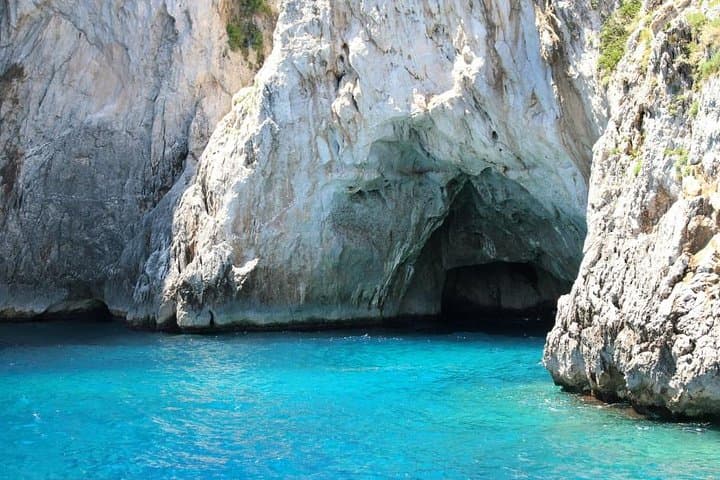
Capri’s history is visible in ruins and terraces. Roman emperors left villas here — Villa Jovis perches above the east coast — and the Augustus’ Gardens speak to 19th-century tourism that reshaped viewpoints like Via Krupp. Geologically, Capri is compact karst: grottos and sea-eroded arches carved from limestone, the Blue Grotto made luminous by sunlight refracting through an underwater opening.
Culturally the island retains a lively local rhythm: fishermen, café owners, and authorized boatmen who still control access to inner caves. Respect their rules — the Blue Grotto requires a guided rowboat and entry depends on sea conditions.
Practically, expect a full day: an early train hop to Naples, a 30–50 minute ferry or jetfoil, island driving on narrow coastal roads, and short walks in Anacapri and Capri town. Wear grippy shoes for rocky docks and steep steps, bring sun protection and a refillable bottle, and leave large luggage behind. If the grotto is closed, a circumnavigation by boat still showcases sea arches and the Faraglioni.
This itinerary suits travelers who want a concentrated taste of Capri’s coastline, cliffs, and historic sites without overnight logistics — plan for an active, sensory day and flexible timing around weather and sea-state.
moderate.
8 hours.
Good baseline fitness for short steep climbs, boarding small boats, and walking cobbled streets.
A jetfoil or fast ferry typically takes 30–50 minutes depending on vessel type and sea conditions.
No — entry depends on calm seas and tide; when closed most tours offer a circumnavigation to see other caves and the Faraglioni.
Lunch and drinks are usually not included; plan for a midday stop in Anacapri or Capri town with café options available.
Some island areas and boats have limited accessibility; ramps and wheelchair-accessible transport exist on the mainland leg, but grotto access requires boarding a small boat and lying low, which is not suitable for some mobility needs.
Capri was a favored retreat for Roman emperors — Emperor Tiberius built imperial villas here — and later became fashionable with European visitors who shaped its promenades and gardens.
Tourism places seasonal pressure on fragile coastal and marine habitats; follow local guidance, use refillable bottles, and avoid entering restricted marine zones.
Stress Free Tours - Guided Tours and drivers in Rome and Italy operates guided outdoor trips and adventures with an emphasis on safety, stewardship, and memorable experiences.
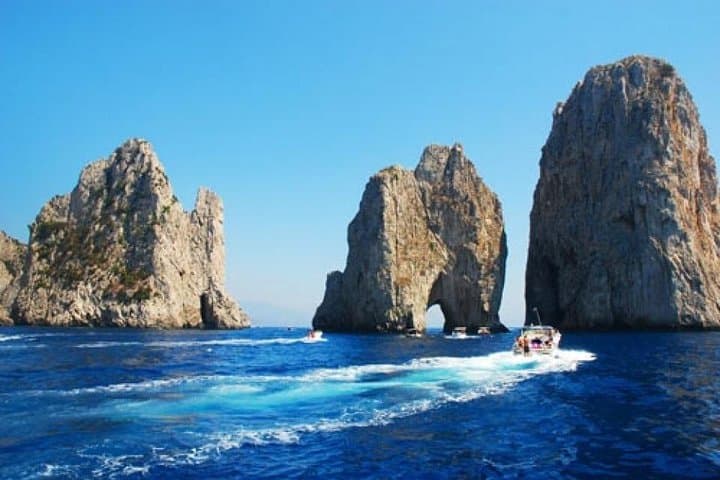
You step off the jetfoil with salt in the air and a steep road climbing from the harbor — Capri announces itself with the sharp scent of Mediterranean herbs and the constant lapping of turquoise water. The island moves in contrasts: sunlit limestone cliffs, sudden shaded alleys, and the uncluttered blue of the Faraglioni rising like stone fingers from the sea.
You step off the jetfoil with salt in the air and a steep road climbing from the harbor — Capri announces itself with the sharp scent of Mediterranean herbs and the constant lapping of turquoise water. The island moves in contrasts: sunlit limestone cliffs, sudden shaded alleys, and the uncluttered blue of the Faraglioni rising like stone fingers from the sea.
Capri’s history is visible in ruins and terraces. Roman emperors left villas here — Villa Jovis perches above the east coast — and the Augustus’ Gardens speak to 19th-century tourism that reshaped viewpoints like Via Krupp. Geologically, Capri is compact karst: grottos and sea-eroded arches carved from limestone, the Blue Grotto made luminous by sunlight refracting through an underwater opening.
Culturally the island retains a lively local rhythm: fishermen, café owners, and authorized boatmen who still control access to inner caves. Respect their rules — the Blue Grotto requires a guided rowboat and entry depends on sea conditions.
Practically, expect a full day: an early train hop to Naples, a 30–50 minute ferry or jetfoil, island driving on narrow coastal roads, and short walks in Anacapri and Capri town. Wear grippy shoes for rocky docks and steep steps, bring sun protection and a refillable bottle, and leave large luggage behind. If the grotto is closed, a circumnavigation by boat still showcases sea arches and the Faraglioni.
This itinerary suits travelers who want a concentrated taste of Capri’s coastline, cliffs, and historic sites without overnight logistics — plan for an active, sensory day and flexible timing around weather and sea-state.