THE ADVENTURE COLLECTIVE® · Independent discovery and booking for outdoor travel

Spend a flexible day driving through Cappadocia’s lunar roofline with a private guide and luxury van. Visit Göreme viewpoints, underground cities, fairy chimneys, and artisan workshops with an itinerary built around your interests.
Spend a flexible day driving through Cappadocia’s lunar roofline with a private guide and luxury van. Visit Göreme viewpoints, underground cities, fairy chimneys, and artisan workshops with an itinerary built around your interests.
The van eases up a low ridge outside Göreme and the valley unfolds like a page of hardened smoke—pale spires, domes, and carved faces catching the morning light. On a private Cappadocia day tour, the landscape keeps moving around you: fairy chimneys leaning like ancient chimera, narrow canyons that hush the traffic, and villages threaded into the rock. A local guide opens the map not with names but with stories—how ash became stone, how people learned to hollow that stone into homes and churches—and what might follow if you let the region set the pace.
Verified experiences and guided adventures in the surrounding area.
Operated by Turco Travel · Göreme, Nevşehir Province
The van eases up a low ridge outside Göreme and the valley unfolds like a page of hardened smoke—pale spires, domes, and carved faces catching the morning light. On a private Cappadocia day tour, the landscape keeps moving around you: fairy chimneys leaning like ancient chimera, narrow canyons that hush the traffic, and villages threaded into the rock. A local guide opens the map not with names but with stories—how ash became stone, how people learned to hollow that stone into homes and churches—and what might follow if you let the region set the pace.
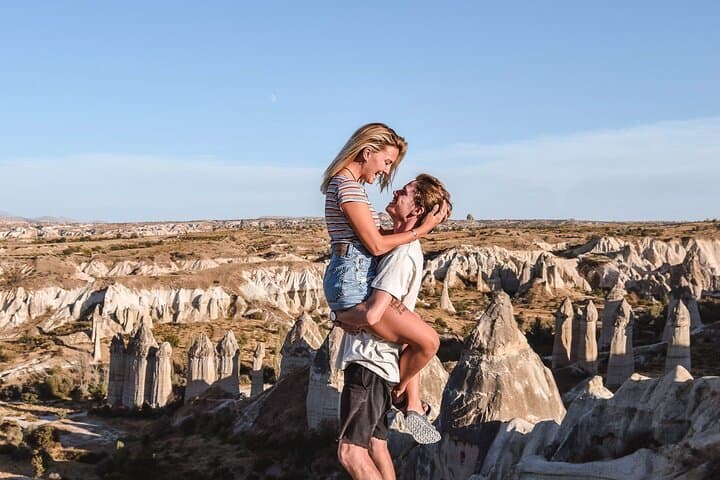
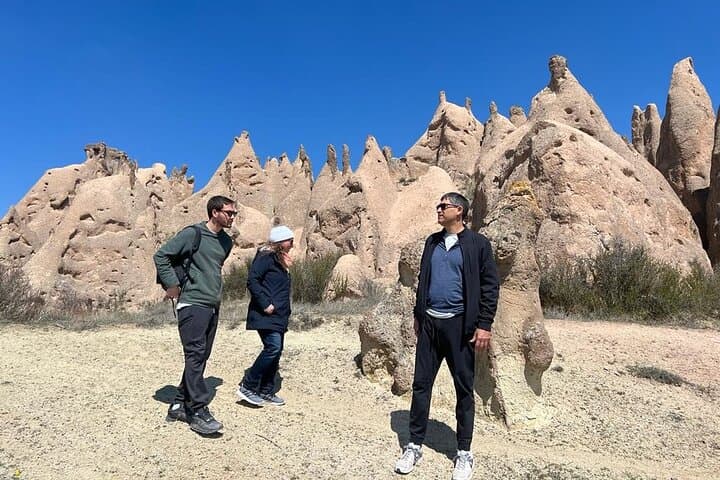
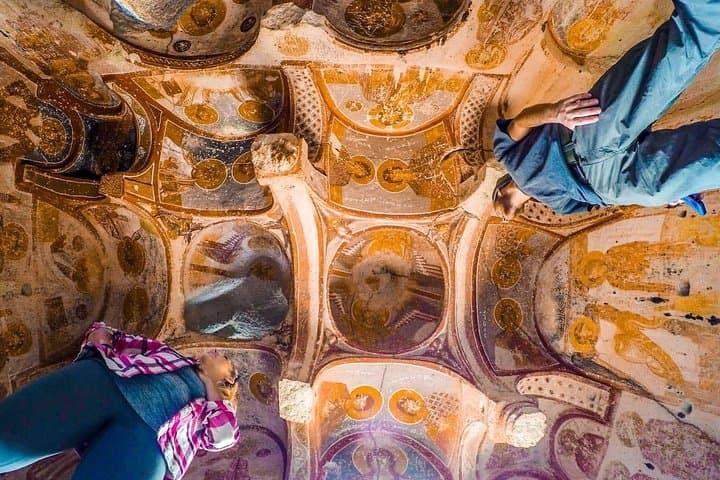
Cappadocia’s geology is blunt and readable. Millennia of volcanic tuff layered by successive eruptions created soft, workable rock; wind and water then took up sculpting. The fairy chimneys of Pasabag and Love Valley are erosional relics, columns left behind as the softer caprock wore away. Human history here is hands-on: from early Christian communities painting frescoes in cave chapels to the subterranean refuges at Kaymakli where entire towns went underground to weather raids. Göreme Open-Air Museum preserves some of the clearest examples—10th-century frescoes, communal refectories and stone-carved liturgies that survive in the hollowed rock.
Culture and craft appear in the small details. Avanos, on the Kızılırmak’s banks, still turns clay on wheels using the river’s red silt; pigeon houses carved into cliffs once fertilized local fields. Today a private guide can tailor the day—spend more time with potters, push deeper into Ihlara Valley, or linger at a panoramic viewpoint to watch the light sharpen on Uçhisar Castle.
Practical edge: the tour runs 4–10 hours with pickup from hotels across Göreme, Ürgüp, Avanos, Uçhisar, Ortahisar and Nevşehir. Expect short drives of 15–40 minutes between highlights and easy walks at each site—valley trails are typically 2–6 km with gentle to moderate elevation changes (roughly 50–200 m). Wear sturdy shoes for uneven steps and loose scree at viewpoints. Many major sites charge separate admission; confirm which entries your guide will include. Start early in summer to avoid midday heat and plan for sun and wind—Cappadocia is open and exposed.
A private van and guide turn logistics into legroom: flexible routing, on-the-spot historical context, and the option to step off beaten paths where the crowds thin. For travelers who want the geological primer, the cultural backstory, and a day paced to their curiosity, this private tour is both a practical way to see Cappadocia and a deep, immediate encounter with a landscape that quietly insists on attention.
easy.
4–10 hours.
Suitable for travelers in average fitness—mostly short walks with occasional short stair climbs and gentle valley hikes.
Yes—pickup from hotels in Göreme, Ürgüp, Avanos, Uçhisar, Ortahisar and Nevşehir is included; confirm your exact location when booking.
Absolutely—the day is private and customizable; you can choose to focus on valleys, underground cities, pottery, or cultural sites.
Some major sites may charge separate admission; confirm with the operator which entries are covered or pay on the day.
Yes—the tour is rated easy and suitable for most ages, though underground city tunnels have low ceilings and steep passages that can be narrow.
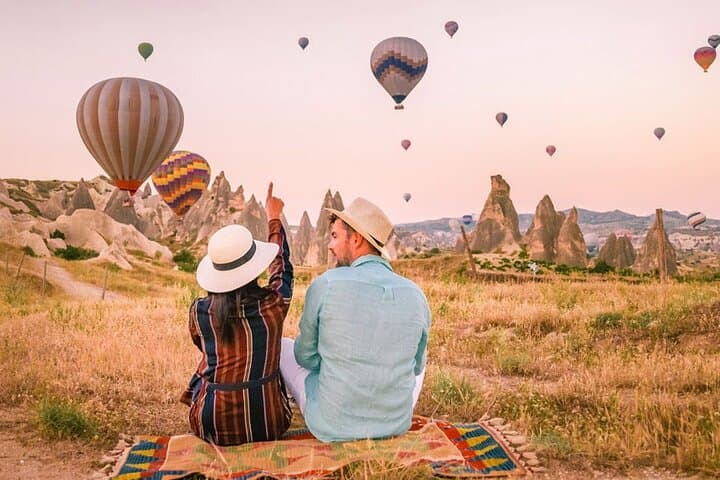
You may see balloons over Göreme early in the morning, but the tour itself is daytime; balloon flights operate separately at sunrise and require advance booking.
Private guides typically speak English; check when booking if you require another language or a specialist guide.
Cappadocia’s cave churches and frescoes date to Byzantine-era Christian communities who carved monasteries into tuff; underground cities were expanded as refuges during invasions.
Visitors are encouraged to stick to marked paths and avoid climbing fragile formations; local guides work with authorities to limit erosion and protect frescoes.
Turco Travel operates guided outdoor trips and adventures with an emphasis on safety, stewardship, and memorable experiences.
The van eases up a low ridge outside Göreme and the valley unfolds like a page of hardened smoke—pale spires, domes, and carved faces catching the morning light. On a private Cappadocia day tour, the landscape keeps moving around you: fairy chimneys leaning like ancient chimera, narrow canyons that hush the traffic, and villages threaded into the rock. A local guide opens the map not with names but with stories—how ash became stone, how people learned to hollow that stone into homes and churches—and what might follow if you let the region set the pace.
The van eases up a low ridge outside Göreme and the valley unfolds like a page of hardened smoke—pale spires, domes, and carved faces catching the morning light. On a private Cappadocia day tour, the landscape keeps moving around you: fairy chimneys leaning like ancient chimera, narrow canyons that hush the traffic, and villages threaded into the rock. A local guide opens the map not with names but with stories—how ash became stone, how people learned to hollow that stone into homes and churches—and what might follow if you let the region set the pace.
Cappadocia’s geology is blunt and readable. Millennia of volcanic tuff layered by successive eruptions created soft, workable rock; wind and water then took up sculpting. The fairy chimneys of Pasabag and Love Valley are erosional relics, columns left behind as the softer caprock wore away. Human history here is hands-on: from early Christian communities painting frescoes in cave chapels to the subterranean refuges at Kaymakli where entire towns went underground to weather raids. Göreme Open-Air Museum preserves some of the clearest examples—10th-century frescoes, communal refectories and stone-carved liturgies that survive in the hollowed rock.
Culture and craft appear in the small details. Avanos, on the Kızılırmak’s banks, still turns clay on wheels using the river’s red silt; pigeon houses carved into cliffs once fertilized local fields. Today a private guide can tailor the day—spend more time with potters, push deeper into Ihlara Valley, or linger at a panoramic viewpoint to watch the light sharpen on Uçhisar Castle.
Practical edge: the tour runs 4–10 hours with pickup from hotels across Göreme, Ürgüp, Avanos, Uçhisar, Ortahisar and Nevşehir. Expect short drives of 15–40 minutes between highlights and easy walks at each site—valley trails are typically 2–6 km with gentle to moderate elevation changes (roughly 50–200 m). Wear sturdy shoes for uneven steps and loose scree at viewpoints. Many major sites charge separate admission; confirm which entries your guide will include. Start early in summer to avoid midday heat and plan for sun and wind—Cappadocia is open and exposed.
A private van and guide turn logistics into legroom: flexible routing, on-the-spot historical context, and the option to step off beaten paths where the crowds thin. For travelers who want the geological primer, the cultural backstory, and a day paced to their curiosity, this private tour is both a practical way to see Cappadocia and a deep, immediate encounter with a landscape that quietly insists on attention.