THE ADVENTURE COLLECTIVE® · Independent discovery and booking for outdoor travel

Explore Fukuoka on foot with a private local guide—visit Hakata’s shrines, stroll Ohori Park, and follow hidden lanes to tasting stalls and quieter temples. This adaptable 3–6 hour tour balances cultural insight with accessible pacing.
Explore Fukuoka on foot with a private local guide—visit Hakata’s shrines, stroll Ohori Park, and follow hidden lanes to tasting stalls and quieter temples. This adaptable 3–6 hour tour balances cultural insight with accessible pacing.
A taxi drops you at Hakata Station's West Exit and the city opens like a map: neon storefronts, a local guide with a hand-drawn route, and the steady pulse of commuters. The group threads through Kushida Shrine's timber gates, the shrine lanterns leaning as if to whisper local lore, then moves toward Ohori Park where the lake pushes reflections across its surface.
Verified experiences and guided adventures in the surrounding area.
Operated by WANDER Japan · Fukuoka, Fukuoka Prefecture
A taxi drops you at Hakata Station's West Exit and the city opens like a map: neon storefronts, a local guide with a hand-drawn route, and the steady pulse of commuters. The group threads through Kushida Shrine's timber gates, the shrine lanterns leaning as if to whisper local lore, then moves toward Ohori Park where the lake pushes reflections across its surface.
Fukuoka sits on Kyushu's northern shore, an alluvial plain shaped by rivers and the Genkai Sea. Its layers of history are visible: Hakata’s merchant past, the samurai traces at Fukuoka Castle Ruins, and the scholar-worshipped Dazaifu Tenmangu—where plum trees bloom February–March, drawing students and quiet prayers. Geology here is gentle; low hills and reclaimed bays frame an urban culture that favors festivals, street food, and understated ritual.
A private walking tour stitches those sites together with local stories—why the reclining Buddha at Nanzoin matters, which yatai stalls still serve classic mentaiko, and how seasonal festivals alter traffic and opening hours.
Practical guidance: expect mostly paved streets and short stair sections, 3–6 hours depending on stops. Wear supportive shoes, carry cash for small shrine offerings and snacks, and schedule morning visits to avoid afternoon tourist peaks. The route is family-friendly and largely accessible, but confirm specific mobility needs ahead of booking. Hydrate in summer, layer in early spring or late fall, and allow extra time at market streets to sample local flavors—Fukuoka’s city rhythm often rewards the patient walker.
easy.
3–6 hours.
Light to moderate: able to walk continuously for a few hours with short breaks; suitable for families and most fitness levels.
The standard meeting point is Hakata Station West Exit (taxi stand area); most tours return there unless a hotel pickup is requested.
Many areas on the itinerary are wheelchair- and stroller-accessible, but some shrine approaches and garden paths have steps—notify the operator to tailor the route.
Yes—this private tour is customizable; indicate dietary restrictions when booking so the guide can recommend suitable stalls or skip food stops.
This tour typically passes major sites without included admission; any optional paid entries are charged separately—confirm specifics at booking.
Fukuoka grew as the port of Hakata, a trade and artisan center; Dazaifu served as the regional administrative and cultural hub in ancient Japan.
Urban green spaces like Ohori Park and Yusentei Garden are actively maintained; visitors are asked to stay on paths and avoid feeding wildlife to protect habitats.
WANDER Japan operates guided outdoor trips and adventures with an emphasis on safety, stewardship, and memorable experiences.

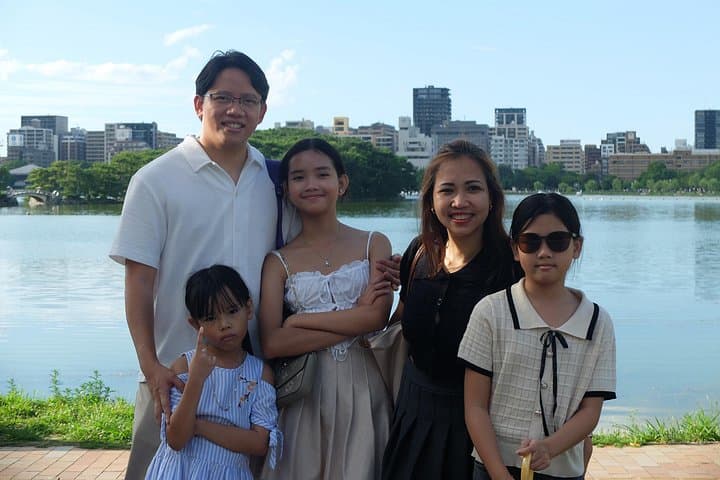
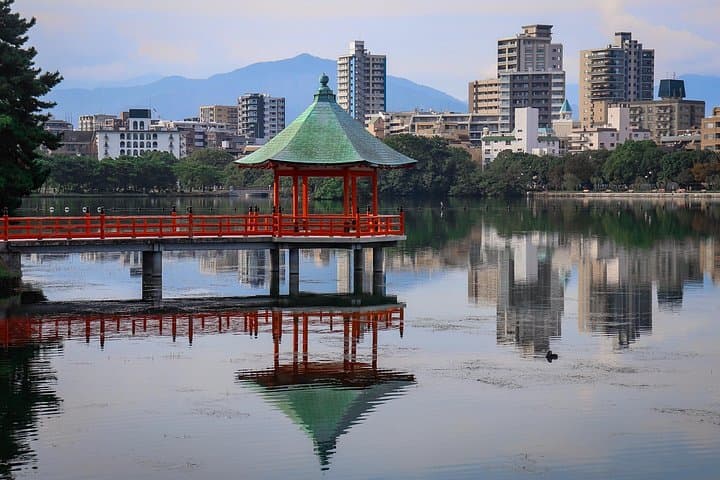
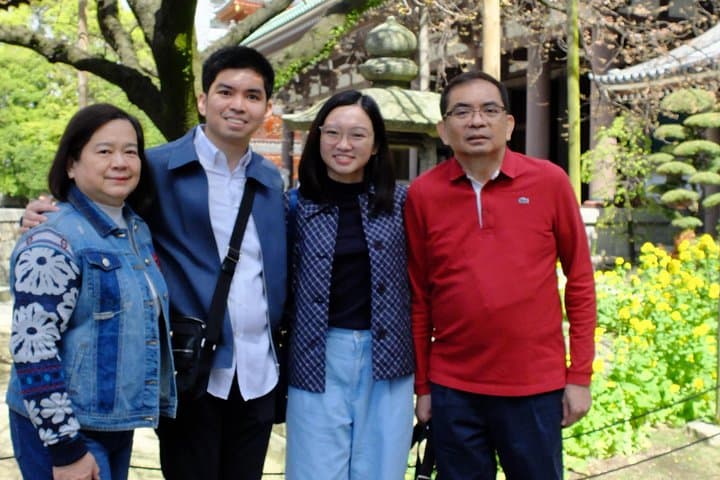
A taxi drops you at Hakata Station's West Exit and the city opens like a map: neon storefronts, a local guide with a hand-drawn route, and the steady pulse of commuters. The group threads through Kushida Shrine's timber gates, the shrine lanterns leaning as if to whisper local lore, then moves toward Ohori Park where the lake pushes reflections across its surface.
A taxi drops you at Hakata Station's West Exit and the city opens like a map: neon storefronts, a local guide with a hand-drawn route, and the steady pulse of commuters. The group threads through Kushida Shrine's timber gates, the shrine lanterns leaning as if to whisper local lore, then moves toward Ohori Park where the lake pushes reflections across its surface.
Fukuoka sits on Kyushu's northern shore, an alluvial plain shaped by rivers and the Genkai Sea. Its layers of history are visible: Hakata’s merchant past, the samurai traces at Fukuoka Castle Ruins, and the scholar-worshipped Dazaifu Tenmangu—where plum trees bloom February–March, drawing students and quiet prayers. Geology here is gentle; low hills and reclaimed bays frame an urban culture that favors festivals, street food, and understated ritual.
A private walking tour stitches those sites together with local stories—why the reclining Buddha at Nanzoin matters, which yatai stalls still serve classic mentaiko, and how seasonal festivals alter traffic and opening hours.
Practical guidance: expect mostly paved streets and short stair sections, 3–6 hours depending on stops. Wear supportive shoes, carry cash for small shrine offerings and snacks, and schedule morning visits to avoid afternoon tourist peaks. The route is family-friendly and largely accessible, but confirm specific mobility needs ahead of booking. Hydrate in summer, layer in early spring or late fall, and allow extra time at market streets to sample local flavors—Fukuoka’s city rhythm often rewards the patient walker.