THE ADVENTURE COLLECTIVE® · Independent discovery and booking for outdoor travel

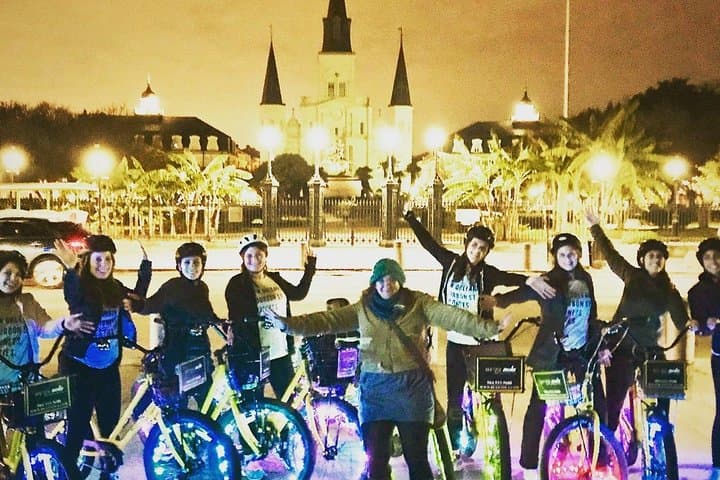
Walk or pedal three hours through the French Quarter, Treme and Marigny with a sixth‑generation New Orleanian who traces 300 years of Creole, African and colonial history. Expect live music stops, historic sites like Congo Square, and a local meal mid‑tour.
Walk or pedal three hours through the French Quarter, Treme and Marigny with a sixth‑generation New Orleanian who traces 300 years of Creole, African and colonial history. Expect live music stops, historic sites like Congo Square, and a local meal mid‑tour.
Arrival at the river sets the tone: the Mississippi moves like a slow, patient guide while the plaza air carries brass and frying oil. Your guide, a multi‑generation New Orleanian, leads you off the waterfront and into streets where shutters creak and music leaks from open doors.
Verified experiences and guided adventures in the surrounding area.
Operated by Leanne Sarco · New Orleans, Louisiana
Arrival at the river sets the tone: the Mississippi moves like a slow, patient guide while the plaza air carries brass and frying oil. Your guide, a multi‑generation New Orleanian, leads you off the waterfront and into streets where shutters creak and music leaks from open doors.
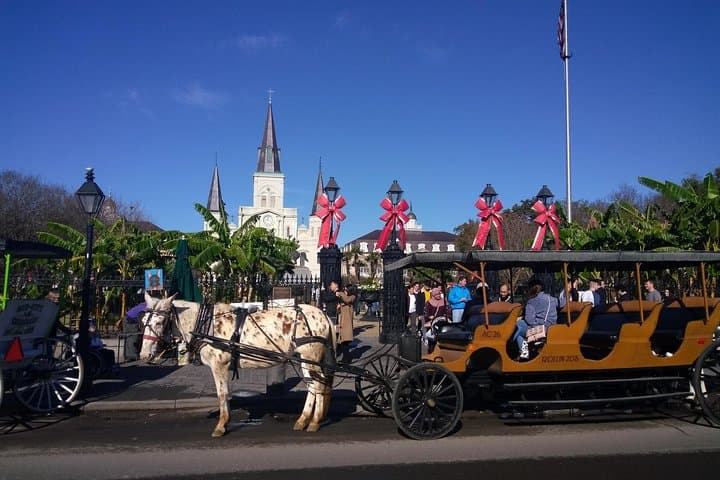
The route moves chronologically — starting at the riverfront, past Jackson Square, through Congo Square and into Treme and the Marigny. Expect layered history: Native trade routes gave way to colonial parcels, enslaved and free Black communities shaped Creole culture, and jazz was hammered into being on these blocks. The ground here is literally built by the river over millennia, alluvial mud and reclaimed marsh that made the Crescent City both prosperous and vulnerable.
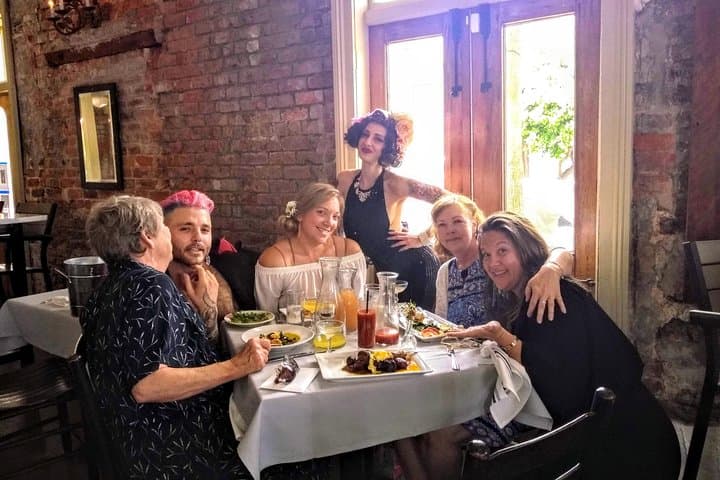
You’ll pause at St. Augustine Church and the Tomb of the Unknown Slave, listen about New Orleans’ unique legal and social structures, and stop on Frenchmen Street to hear live music spill into the night. Mid‑tour, the group samples a local bite — po’boy, gumbo, or café‑au‑lait — anchoring history in flavor.
Practically: this private 3–4 hour tour is a mix of flat pavement and cobblestone; choose walking or a casual bike depending on comfort. Wear supportive shoes, carry water, and time your visit for morning or late afternoon to avoid peak heat and crowds. Respect residential areas — quieter streets are still people’s homes — and tip your guide; their knowledge is the map that turns streets into stories.
moderate.
3–4 hours.
Suitable for people who can walk 3–6 miles on mixed pavement with intermittent standing; bikers should be comfortable navigating urban streets.
The operator notes wheelchair accessibility, but cobblestones and narrow sidewalks may limit route flexibility—notify at booking to confirm accommodations.
Tours may allow bikes; confirm in advance whether rental is provided or if you should bring your own.
The tour includes a mid‑tour stop at a local restaurant where participants purchase their own meal unless otherwise arranged.
Expect roughly 3–5 miles of travel, depending on stops and whether you choose walking or biking.
This route traces 300 years of New Orleans history — from Indigenous trade routes to French and Spanish colonial periods, through the rise of Creole culture and the birthplace of jazz in places like Congo Square and Treme.
Historic preservation and flood‑risk management shape how the Quarter is maintained; visitors support conservation by staying on sidewalks, respecting private property, and patronizing local businesses.
Leanne Sarco operates guided outdoor trips and adventures with an emphasis on safety, stewardship, and memorable experiences.
Arrival at the river sets the tone: the Mississippi moves like a slow, patient guide while the plaza air carries brass and frying oil. Your guide, a multi‑generation New Orleanian, leads you off the waterfront and into streets where shutters creak and music leaks from open doors.
Arrival at the river sets the tone: the Mississippi moves like a slow, patient guide while the plaza air carries brass and frying oil. Your guide, a multi‑generation New Orleanian, leads you off the waterfront and into streets where shutters creak and music leaks from open doors.
The route moves chronologically — starting at the riverfront, past Jackson Square, through Congo Square and into Treme and the Marigny. Expect layered history: Native trade routes gave way to colonial parcels, enslaved and free Black communities shaped Creole culture, and jazz was hammered into being on these blocks. The ground here is literally built by the river over millennia, alluvial mud and reclaimed marsh that made the Crescent City both prosperous and vulnerable.
You’ll pause at St. Augustine Church and the Tomb of the Unknown Slave, listen about New Orleans’ unique legal and social structures, and stop on Frenchmen Street to hear live music spill into the night. Mid‑tour, the group samples a local bite — po’boy, gumbo, or café‑au‑lait — anchoring history in flavor.
Practically: this private 3–4 hour tour is a mix of flat pavement and cobblestone; choose walking or a casual bike depending on comfort. Wear supportive shoes, carry water, and time your visit for morning or late afternoon to avoid peak heat and crowds. Respect residential areas — quieter streets are still people’s homes — and tip your guide; their knowledge is the map that turns streets into stories.