THE ADVENTURE COLLECTIVE® · Independent discovery and booking for outdoor travel

Trace Boston’s Revolutionary landmarks on a private two-hour walking tour from the Robert Gould Shaw Memorial to Old North Church. Small-group pacing and an informed local guide bring colonial history to life along the iconic Freedom Trail.
Trace Boston’s Revolutionary landmarks on a private two-hour walking tour from the Robert Gould Shaw Memorial to Old North Church. Small-group pacing and an informed local guide bring colonial history to life along the iconic Freedom Trail.
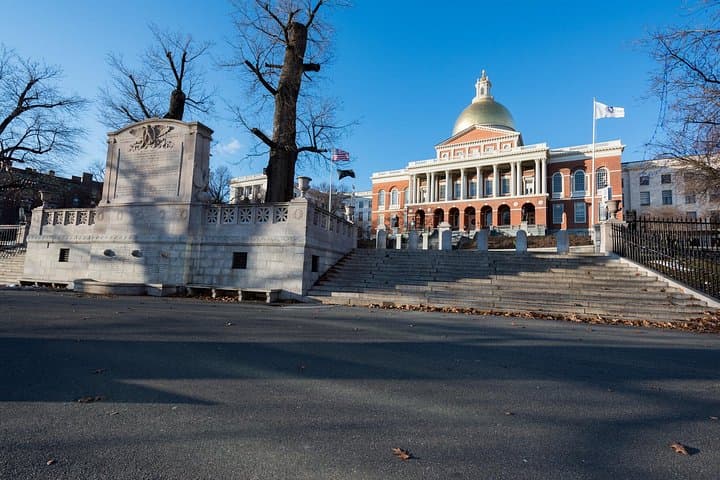
A crisp morning on Beacon Street: the bronze figures of the Robert Gould Shaw Memorial catch light as your guide gathers the small group and the city exhales around you. The cobbles underfoot have been walked by merchants, soldiers and citizens for three centuries; the Freedom Trail threads them together, a linear invitation to move through time.
Verified experiences and guided adventures in the surrounding area.
Operated by Opatrip.com USA · Boston, Massachusetts
A crisp morning on Beacon Street: the bronze figures of the Robert Gould Shaw Memorial catch light as your guide gathers the small group and the city exhales around you. The cobbles underfoot have been walked by merchants, soldiers and citizens for three centuries; the Freedom Trail threads them together, a linear invitation to move through time.
This private walking tour follows the red-brick route that connects key Revolutionary-era sites — the Massachusetts State House, Granary Burying Ground, King’s Chapel, Old South Meeting House, Old State House, Faneuil Hall, Paul Revere’s House and concludes at the historic Old North Church. The path traces colonial politics, military memory and civic debate; many buildings date to the early 1700s while nearby harbor geography shaped Boston’s role as a port and flashpoint.
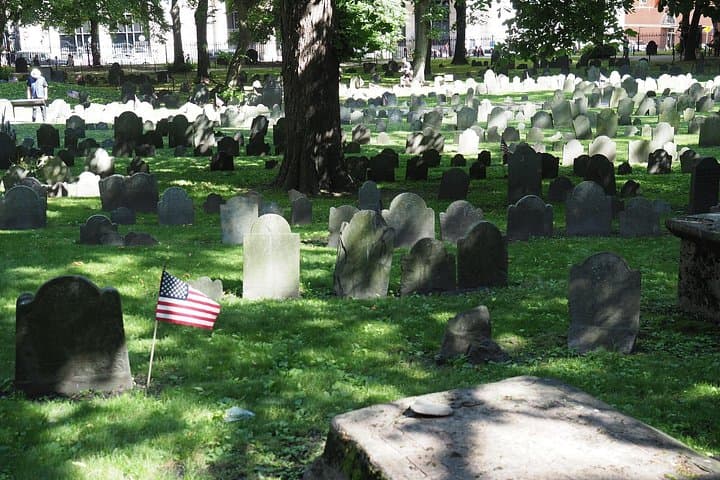
Guides interpret carved stones, funerary inscriptions and the spatial relationship between market, church and government — cultural layers that explain why a balcony at the Old State House once became a public stage. Along the North End, narrow alleys and brick rowhouses hint at later immigrant chapters that sit atop revolutionary foundations.
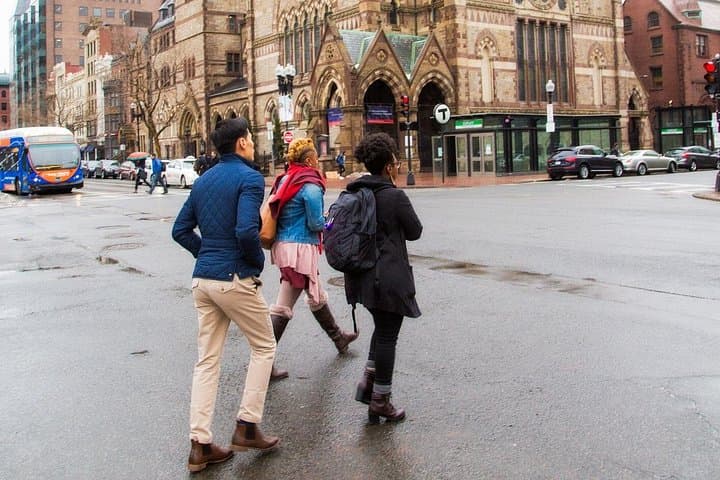
Practical notes: this is a walking, mostly flat two-hour route on city sidewalks and short cobble segments; expect frequent stops for interpretation. Wear supportive shoes, bring a refillable water bottle and plan for city weather — wind off the Charles can feel sharp even on mild days. Because this is a private tour, pace and focus can be adjusted: ask your guide about nearby museums or an extended visit to the Paul Revere House if you want deeper context.
easy.
2 hours.
Suitable for most fitness levels; requires comfortable walking on sidewalks and short cobbled sections
Meet at the main entrance of the Robert Gould Shaw Memorial on Beacon Street; arrive a few minutes early so the tour can start on time.
The route is mostly on city sidewalks but includes narrow or uneven cobblestone sections; contact the operator ahead to discuss specific accessibility needs.
This itinerary focuses on exterior visits and guided interpretation; timed-entry admissions to specific museums or historic homes are typically not included unless stated otherwise.
Yes — private tours can be tailored; let the guide know your focus when booking or at the start so they can adjust stops and commentary.
The Freedom Trail links multiple 18th-century public buildings and meeting places; the idea of a marked route to these sites was developed in the mid-20th century to connect Boston’s Revolutionary history for visitors.
Stay on sidewalks and respect grave markers and historic surfaces; limiting group size and using refillable water bottles helps reduce wear and protect these fragile urban sites.
Opatrip.com USA operates guided outdoor trips and adventures with an emphasis on safety, stewardship, and memorable experiences.

A crisp morning on Beacon Street: the bronze figures of the Robert Gould Shaw Memorial catch light as your guide gathers the small group and the city exhales around you. The cobbles underfoot have been walked by merchants, soldiers and citizens for three centuries; the Freedom Trail threads them together, a linear invitation to move through time.
A crisp morning on Beacon Street: the bronze figures of the Robert Gould Shaw Memorial catch light as your guide gathers the small group and the city exhales around you. The cobbles underfoot have been walked by merchants, soldiers and citizens for three centuries; the Freedom Trail threads them together, a linear invitation to move through time.
This private walking tour follows the red-brick route that connects key Revolutionary-era sites — the Massachusetts State House, Granary Burying Ground, King’s Chapel, Old South Meeting House, Old State House, Faneuil Hall, Paul Revere’s House and concludes at the historic Old North Church. The path traces colonial politics, military memory and civic debate; many buildings date to the early 1700s while nearby harbor geography shaped Boston’s role as a port and flashpoint.
Guides interpret carved stones, funerary inscriptions and the spatial relationship between market, church and government — cultural layers that explain why a balcony at the Old State House once became a public stage. Along the North End, narrow alleys and brick rowhouses hint at later immigrant chapters that sit atop revolutionary foundations.
Practical notes: this is a walking, mostly flat two-hour route on city sidewalks and short cobble segments; expect frequent stops for interpretation. Wear supportive shoes, bring a refillable water bottle and plan for city weather — wind off the Charles can feel sharp even on mild days. Because this is a private tour, pace and focus can be adjusted: ask your guide about nearby museums or an extended visit to the Paul Revere House if you want deeper context.