THE ADVENTURE COLLECTIVE® · Independent discovery and booking for outdoor travel

Spend a private day with a guide who takes you from Tiananmen Square and the Forbidden City to the fortified ridgelines of Badaling. This practical guide covers what to expect—timing, tickets, walking, and how to avoid the worst crowds.
Spend a private day with a guide who takes you from Tiananmen Square and the Forbidden City to the fortified ridgelines of Badaling. This practical guide covers what to expect—timing, tickets, walking, and how to avoid the worst crowds.
You step into the square before dawn and the stone plane of Tiananmen feels like a stage: flags rise, vendors arrange their stalls, and the city wakes around you. Your private guide meets you at the hotel, and within an hour you’re threading through the broad avenues that lead to the Forbidden City—the vast imperial compound that once directed the rhythm of an empire.
Verified experiences and guided adventures in the surrounding area.
Operated by Leo's Guide & Driver Service · Beijing, Beijing
You step into the square before dawn and the stone plane of Tiananmen feels like a stage: flags rise, vendors arrange their stalls, and the city wakes around you. Your private guide meets you at the hotel, and within an hour you’re threading through the broad avenues that lead to the Forbidden City—the vast imperial compound that once directed the rhythm of an empire.
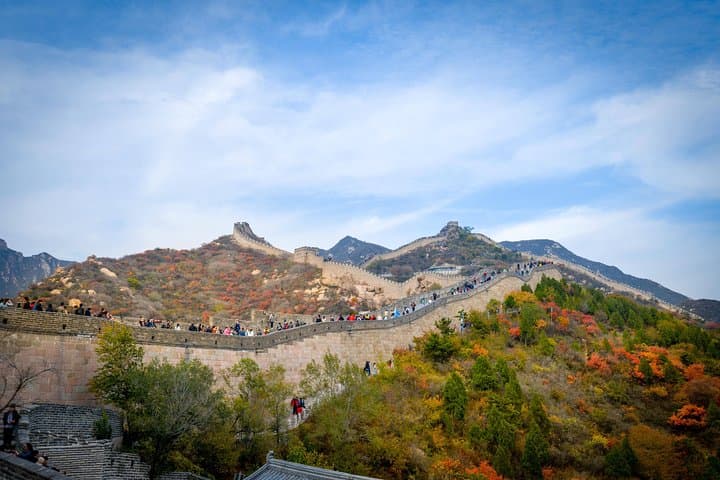
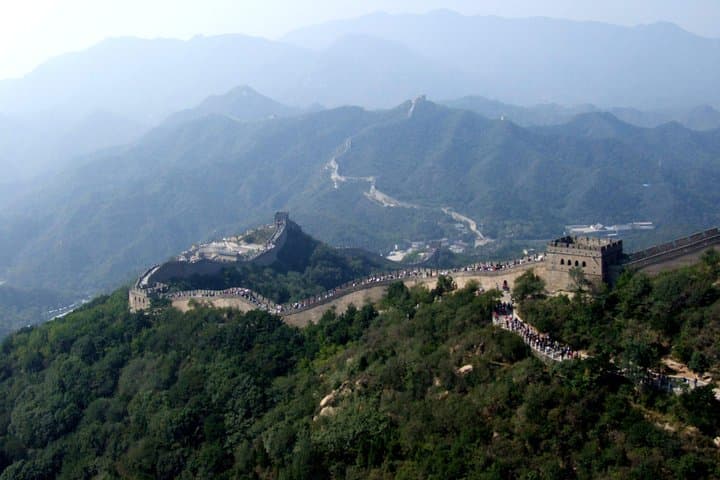
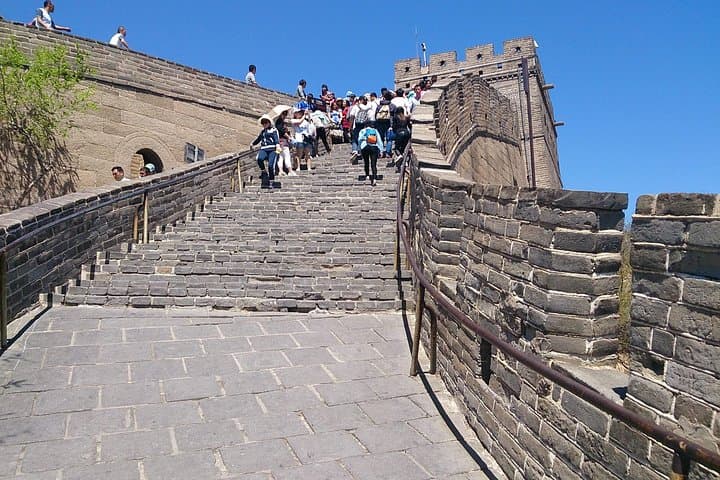
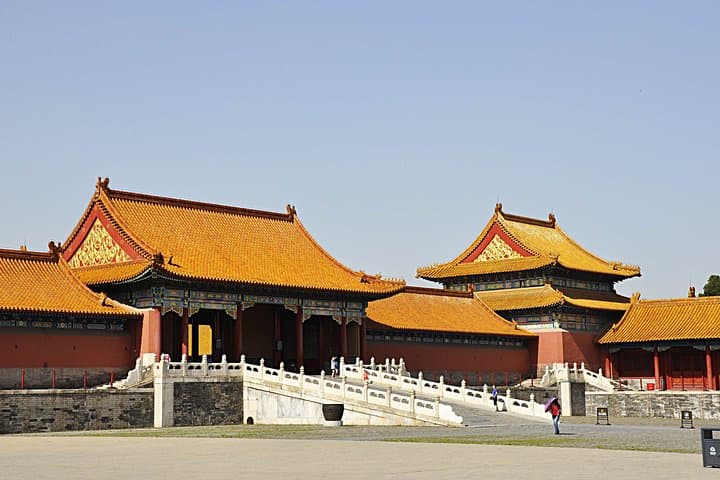
The Forbidden City, begun under the Yongle Emperor in the early 1400s, is compacted history: layered courtyards, painted beams, and gates that mark ceremonial thresholds. A short drive out of the city brings a different geology—rolling ridgelines where the Ming Great Wall snakes over limestone and coarse granite at Badaling. Sections here were rebuilt and reinforced in the 20th century; the stonework you climb is both fortification and monument, its steps rising and falling with the spine of the hills.
Culturally, the day balances civic space and imperial architecture—expect local vendors, school groups, and tour rhythms. Guides point out architectural symbolism and the logistics of defense that shaped where towers and steps sit.
Practical guidance: bring a passport for pre-booked Forbidden City tickets, wear broken-in walking shoes and sun protection, and plan your Badaling visit later in the afternoon to ease crowds. Expect roughly eight hours of travel and walking; your private driver handles transfers and tolls, but keep snacks and water handy. If crowds or weather are an issue, ask your guide about alternate Great Wall sections (Mutianyu) or slight itinerary shifts—private tours are flexible and the right adjustments keep the day focused on exploration, not lines.
moderate.
7–8 hours.
Light to moderate fitness; able to walk several miles with stair sections and stand for extended periods
The tour includes Forbidden City entrance tickets—bookings require passport details to issue skip-the-line tickets in advance.
Yes; the private tour includes door-to-door pickup and drop-off in Beijing with an air-conditioned vehicle.
English and Spanish guides are available—Spanish guide requests should be made at least seven days in advance to ensure availability.
The day involves significant walking and stair sections, especially at the Great Wall; it’s marked as physically easy but not ideal for those with serious mobility constraints.
The Forbidden City was constructed under the Ming dynasty (early 1400s) as the imperial palace; Badaling contains heavily restored Ming-era fortifications that guard a strategic mountain pass.
High visitation strains historic sites—follow marked paths, don’t climb on fragile masonry, and carry out any trash to limit wear on cultural and natural resources.
Leo's Guide & Driver Service operates guided outdoor trips and adventures with an emphasis on safety, stewardship, and memorable experiences.
You step into the square before dawn and the stone plane of Tiananmen feels like a stage: flags rise, vendors arrange their stalls, and the city wakes around you. Your private guide meets you at the hotel, and within an hour you’re threading through the broad avenues that lead to the Forbidden City—the vast imperial compound that once directed the rhythm of an empire.
You step into the square before dawn and the stone plane of Tiananmen feels like a stage: flags rise, vendors arrange their stalls, and the city wakes around you. Your private guide meets you at the hotel, and within an hour you’re threading through the broad avenues that lead to the Forbidden City—the vast imperial compound that once directed the rhythm of an empire.
The Forbidden City, begun under the Yongle Emperor in the early 1400s, is compacted history: layered courtyards, painted beams, and gates that mark ceremonial thresholds. A short drive out of the city brings a different geology—rolling ridgelines where the Ming Great Wall snakes over limestone and coarse granite at Badaling. Sections here were rebuilt and reinforced in the 20th century; the stonework you climb is both fortification and monument, its steps rising and falling with the spine of the hills.
Culturally, the day balances civic space and imperial architecture—expect local vendors, school groups, and tour rhythms. Guides point out architectural symbolism and the logistics of defense that shaped where towers and steps sit.
Practical guidance: bring a passport for pre-booked Forbidden City tickets, wear broken-in walking shoes and sun protection, and plan your Badaling visit later in the afternoon to ease crowds. Expect roughly eight hours of travel and walking; your private driver handles transfers and tolls, but keep snacks and water handy. If crowds or weather are an issue, ask your guide about alternate Great Wall sections (Mutianyu) or slight itinerary shifts—private tours are flexible and the right adjustments keep the day focused on exploration, not lines.