THE ADVENTURE COLLECTIVE® · Independent discovery and booking for outdoor travel

A compact, private acrylic-pour workshop in Los Angeles where silicone, heat and motion combine to create one-of-a-kind canvases. Perfect for beginners and small groups, this 40-minute hands-on session emphasizes process, color play, and a finished piece left to dry and varnish.
A compact, private acrylic-pour workshop in Los Angeles where silicone, heat and motion combine to create one-of-a-kind canvases. Perfect for beginners and small groups, this 40-minute hands-on session emphasizes process, color play, and a finished piece left to dry and varnish.
The studio door opens to the city’s faint hum and the tang of acrylics; worktables gleam with cups of mixed paint, silicone, and a small torch waiting to coax cells into being. Participants stand around a 16x20 canvas, sleeves rolled under plastic aprons, as an instructor demonstrates the first pour—slow, decisive, then abandoned to the paint’s own motion.
Verified experiences and guided adventures in the surrounding area.
Operated by Shot of Art - LA · Los Angeles, California
The studio door opens to the city’s faint hum and the tang of acrylics; worktables gleam with cups of mixed paint, silicone, and a small torch waiting to coax cells into being. Participants stand around a 16x20 canvas, sleeves rolled under plastic aprons, as an instructor demonstrates the first pour—slow, decisive, then abandoned to the paint’s own motion.
Fluid art traces its modern form to mid-20th-century color experiments and evolved with acrylic pouring, silicone additives, and heat tools that create the signature cells. In Los Angeles, a city built on a coastal plain above a basin of shifting faults, artist studios reflect a culture that favors improvisation—street murals, gallery shows, and DIY workshops feed a communal appetite for process over polish.
The class is compact (1–4 people) and private, geared to beginners and teams who want a hands-on, 40-minute creative session with finished work left to dry and varnish for pickup in days. Expect guided color choices, a demonstration of torching for cell formation, and options for canvas sizes or upgrades.
Practical notes: arrive 10 minutes early for protective gear, wear clothes you don’t mind staining, and plan to pick up or ship your finished piece after 2–5 days of drying. The studio provides aprons, a full fluid set, one canvas, and polite instruction—no prior art skills required. For groups, consider booking back-to-back slots and arranging delivery for larger pieces. The result is less about a predictable outcome and more about making a tangible, one-of-a-kind object that carries the mark of improvisation and a paint-slicked afternoon in Los Angeles.
easy.
40 minutes.
Suitable for all fitness levels; requires only standing and light manual work
One 16x20 canvas per person, plastic apron, paints and fluid set (silicone, cups, stirring sticks), instructor guidance, and varnish applied after drying.
Paintings are varnished after they dry; drying and curing typically take 2–5 days, and the studio will advise pickup or delivery options.
The experience accepts participants age 3 and up, but children should be supervised and may require more time and assistance.
All sales are final—bookings are non-refundable, so confirm availability and participant details before purchasing.
Acrylic pouring developed from mid-20th-century paint experimentation; Los Angeles’ studio culture quickly adopted fluid techniques for workshops and public demonstrations.
Studios should manage paint waste carefully—use approved disposal for excess liquids and low-VOC varnishes when possible; bring only necessary materials to minimize waste.
Shot of Art - LA operates guided outdoor trips and adventures with an emphasis on safety, stewardship, and memorable experiences.
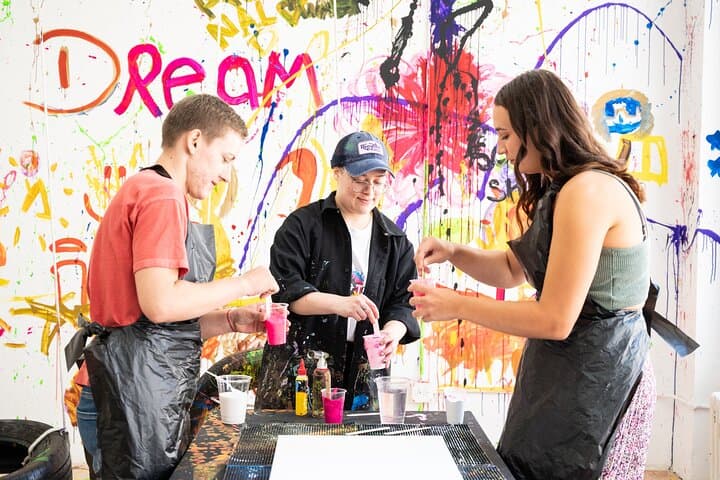
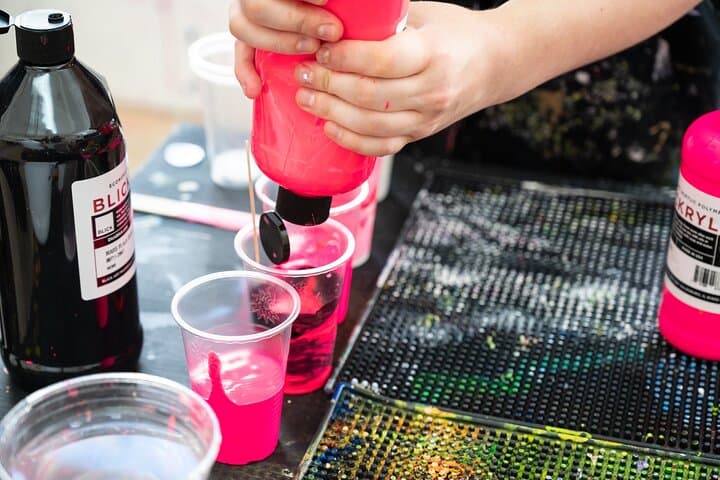
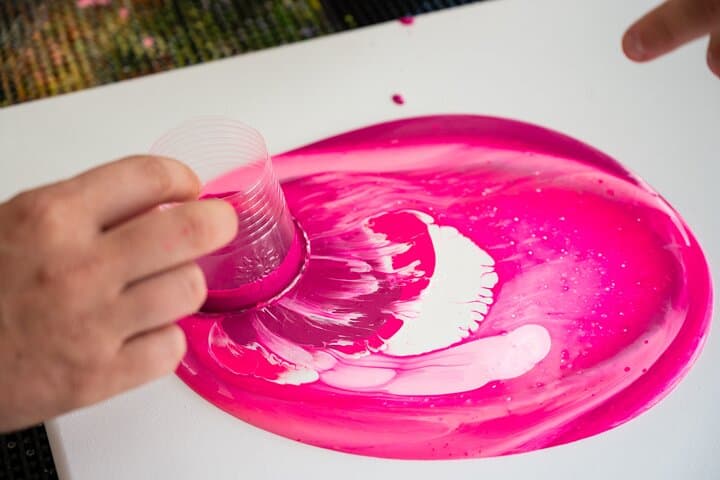
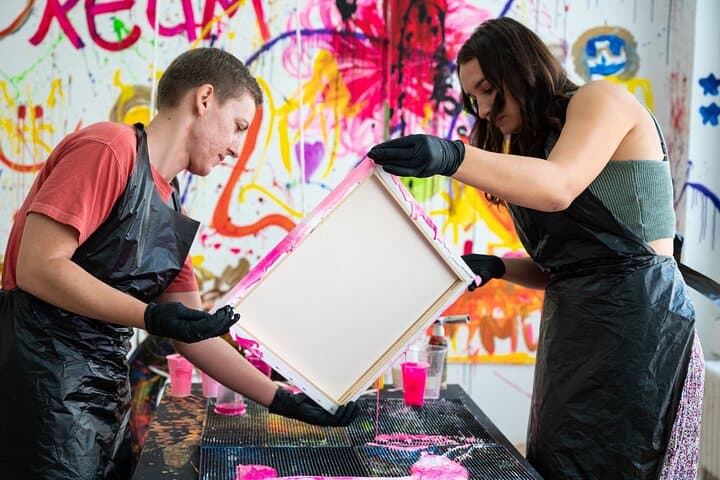
The studio door opens to the city’s faint hum and the tang of acrylics; worktables gleam with cups of mixed paint, silicone, and a small torch waiting to coax cells into being. Participants stand around a 16x20 canvas, sleeves rolled under plastic aprons, as an instructor demonstrates the first pour—slow, decisive, then abandoned to the paint’s own motion.
The studio door opens to the city’s faint hum and the tang of acrylics; worktables gleam with cups of mixed paint, silicone, and a small torch waiting to coax cells into being. Participants stand around a 16x20 canvas, sleeves rolled under plastic aprons, as an instructor demonstrates the first pour—slow, decisive, then abandoned to the paint’s own motion.
Fluid art traces its modern form to mid-20th-century color experiments and evolved with acrylic pouring, silicone additives, and heat tools that create the signature cells. In Los Angeles, a city built on a coastal plain above a basin of shifting faults, artist studios reflect a culture that favors improvisation—street murals, gallery shows, and DIY workshops feed a communal appetite for process over polish.
The class is compact (1–4 people) and private, geared to beginners and teams who want a hands-on, 40-minute creative session with finished work left to dry and varnish for pickup in days. Expect guided color choices, a demonstration of torching for cell formation, and options for canvas sizes or upgrades.
Practical notes: arrive 10 minutes early for protective gear, wear clothes you don’t mind staining, and plan to pick up or ship your finished piece after 2–5 days of drying. The studio provides aprons, a full fluid set, one canvas, and polite instruction—no prior art skills required. For groups, consider booking back-to-back slots and arranging delivery for larger pieces. The result is less about a predictable outcome and more about making a tangible, one-of-a-kind object that carries the mark of improvisation and a paint-slicked afternoon in Los Angeles.