THE ADVENTURE COLLECTIVE® · Independent discovery and booking for outdoor travel

In a compact, hands‑on session in Houston, participants learn acrylic pour techniques using silicone, glue, and a small torch to create lively patterns on 16x20 canvases. Perfect for beginners, this private 40‑minute class is ideal for families, teams, or solo creatives.
In a compact, hands‑on session in Houston, participants learn acrylic pour techniques using silicone, glue, and a small torch to create lively patterns on 16x20 canvases. Perfect for beginners, this private 40‑minute class is ideal for families, teams, or solo creatives.
A low hum of conversation, the smell of acrylic and rubbing alcohol, and a table already dotted with cups of color — that’s the opening frame of a private fluid art workshop in Houston. Participants gather around a workspace where 16x20 canvases wait, and the instructor demonstrates how glue, silicone, and a hand torch coax cells and ribbons out of poured paint.
Verified experiences and guided adventures in the surrounding area.
Operated by Shot of Art · Houston, Texas
A low hum of conversation, the smell of acrylic and rubbing alcohol, and a table already dotted with cups of color — that’s the opening frame of a private fluid art workshop in Houston. Participants gather around a workspace where 16x20 canvases wait, and the instructor demonstrates how glue, silicone, and a hand torch coax cells and ribbons out of poured paint.
Houston’s creative energy is an offshoot of its 20th‑century boom: oil wealth transformed the Bayou City into a place where experimental studios and community arts spaces grew up alongside ship channels and highways. The city sits on the flat Gulf Coastal Plain, so light and low horizons shape how color reads in a room; inside the studio, that bright, southern light helps artists judge saturation and contrast.
The practical part of the class is tactile: learn basic pour techniques, how to layer paints, where to add silicone for cells, and when to use a small torch to pop tiny bubbles and activate effects. The session is compact — about 40 minutes — and geared toward beginners, families, or corporate groups seeking a creative team exercise. Canvases need several days to dry; larger pours take longer and may shift slightly as they cure.
Plan to arrive early to don provided plastic aprons or a premium protection set. Wear clothes you don’t mind staining; acrylics are permanent on fabric. Bring a phone for progress shots, but keep hands clean before touching gear. Expect an approachable, hands‑on introduction to fluid art that leaves you with a finished 16x20 piece and a clear next step if you want to explore larger formats or varnishing techniques.
easy.
40 minutes.
Suitable for all fitness levels; requires standing/sitting and light fine-motor control
The session runs about 40 minutes and includes one 16x20 canvas per participant to take home; drying takes up to five days.
Yes — the experience is listed as suitable for ages 3 and up, but children should be supervised and kept from touching hot tools like the torch.
No — acrylic paint is permanent on clothing and fabrics; aprons are provided and a premium protection set is available.
Yes — this is a private experience tailored for small groups and team‑building; check availability and group size limits when booking.
Houston’s arts scene expanded with mid‑century philanthropy and a growing museum district; grassroots studios and small schools later diversified the city’s creative offerings.
Studios commonly use water‑based acrylics but encourage minimal waste: reuse mixing cups where possible and follow local guidelines for disposing of paint and cleaning solvents.
Shot of Art operates guided outdoor trips and adventures with an emphasis on safety, stewardship, and memorable experiences.
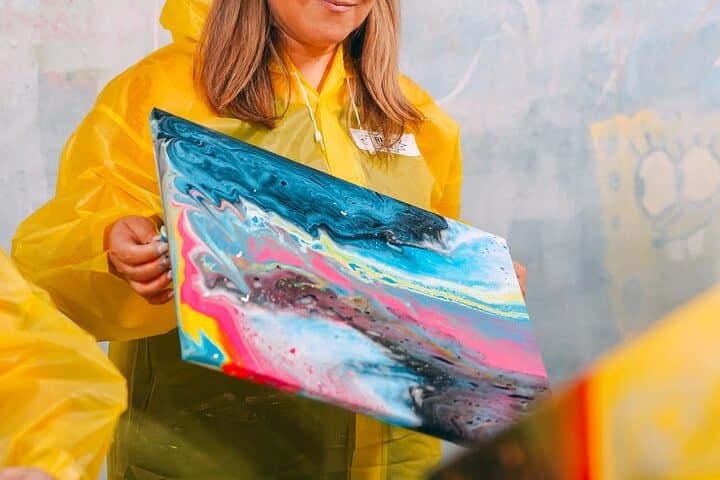
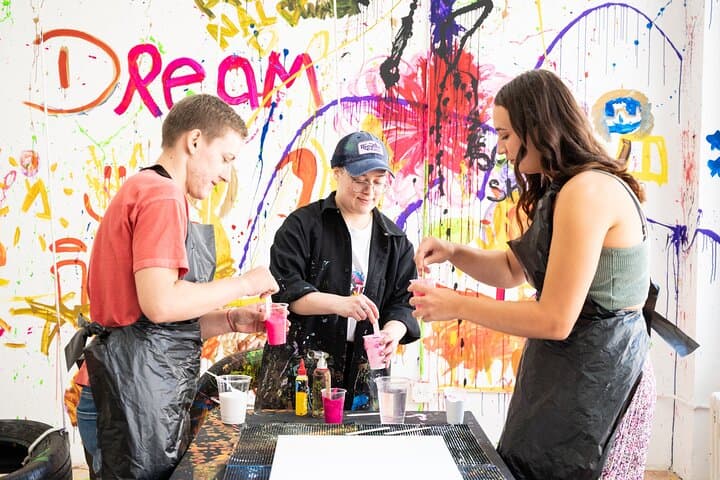
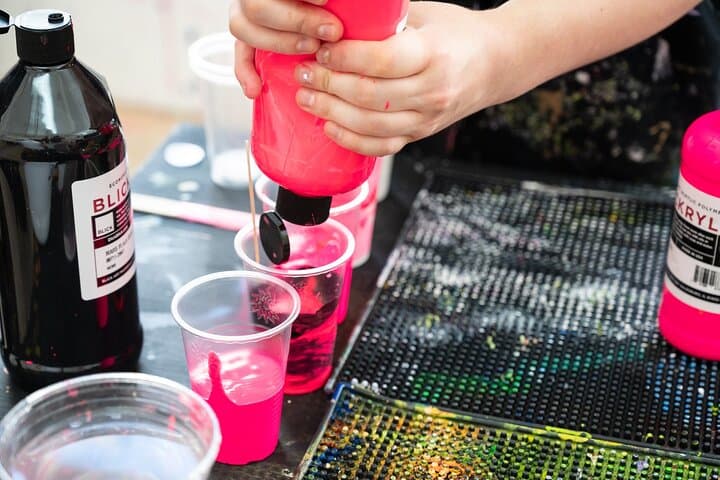
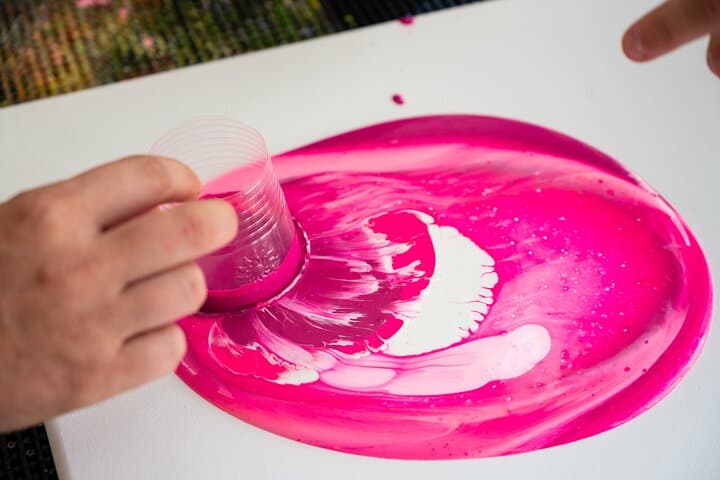
A low hum of conversation, the smell of acrylic and rubbing alcohol, and a table already dotted with cups of color — that’s the opening frame of a private fluid art workshop in Houston. Participants gather around a workspace where 16x20 canvases wait, and the instructor demonstrates how glue, silicone, and a hand torch coax cells and ribbons out of poured paint.
A low hum of conversation, the smell of acrylic and rubbing alcohol, and a table already dotted with cups of color — that’s the opening frame of a private fluid art workshop in Houston. Participants gather around a workspace where 16x20 canvases wait, and the instructor demonstrates how glue, silicone, and a hand torch coax cells and ribbons out of poured paint.
Houston’s creative energy is an offshoot of its 20th‑century boom: oil wealth transformed the Bayou City into a place where experimental studios and community arts spaces grew up alongside ship channels and highways. The city sits on the flat Gulf Coastal Plain, so light and low horizons shape how color reads in a room; inside the studio, that bright, southern light helps artists judge saturation and contrast.
The practical part of the class is tactile: learn basic pour techniques, how to layer paints, where to add silicone for cells, and when to use a small torch to pop tiny bubbles and activate effects. The session is compact — about 40 minutes — and geared toward beginners, families, or corporate groups seeking a creative team exercise. Canvases need several days to dry; larger pours take longer and may shift slightly as they cure.
Plan to arrive early to don provided plastic aprons or a premium protection set. Wear clothes you don’t mind staining; acrylics are permanent on fabric. Bring a phone for progress shots, but keep hands clean before touching gear. Expect an approachable, hands‑on introduction to fluid art that leaves you with a finished 16x20 piece and a clear next step if you want to explore larger formats or varnishing techniques.