THE ADVENTURE COLLECTIVE® · Independent discovery and booking for outdoor travel

Learn the basics of fluid acrylic pouring in a private 45‑minute studio session in New York. This hands-on class covers mixing, silicone cells, and torch techniques — you take home a 16×20 canvas after it dries.
Learn the basics of fluid acrylic pouring in a private 45‑minute studio session in New York. This hands-on class covers mixing, silicone cells, and torch techniques — you take home a 16×20 canvas after it dries.
You step into a bright studio off a busy New York street, the city noise muffled by thick glass and the scent of acrylics and rubbing alcohol. Plastic-covered tables wait like blank stages; jars of color glimmer under studio lights. Instructors demonstrate how silicone, paint, and a quick flame open cells in a pour — colors crawl, meet and repel, revealing patterns that feel part science, part surprise.
Verified experiences and guided adventures in the surrounding area.
Operated by Shot Of Art · New York, New York
You step into a bright studio off a busy New York street, the city noise muffled by thick glass and the scent of acrylics and rubbing alcohol. Plastic-covered tables wait like blank stages; jars of color glimmer under studio lights. Instructors demonstrate how silicone, paint, and a quick flame open cells in a pour — colors crawl, meet and repel, revealing patterns that feel part science, part surprise.
Fluid art has roots in mid-20th-century experimentation with poured paint and has grown into a contemporary studio practice favored for its immediacy and unpredictability. In New York, makers adapted vacant industrial spaces into light-filled studios, pairing technical tips with a DIY spirit that reflects the city’s long history as an incubator for creative trades. Geologically, Manhattan sits on Manhattan Schist — a hard bedrock that enabled the dense skyline; culturally, the city’s openness to fast-moving art forms helped pour painting gain quick traction here.
This private 45-minute session suits individuals and small groups; one 16×20 canvas and paint are included, and finished pieces need up to five days to dry. Expect hands-on demos for mixing, layering and using a hair dryer or small torch to coax cells. Wheelchair access and public transit nearby make the studio easy to reach. Practical tips: wear clothes you don’t mind splashing, plan for drying time, and allow extra time if you’re photographing the process.
The experience blends guided technique with intuitive play — you leave with a unique canvas and a clearer sense of how chemistry, motion and chance shape abstract image-making.
easy.
45 minutes.
Suitable for all fitness levels; no physical exertion required beyond standing and light manual work.
No — the class is guided by a master instructor and is designed for beginners and experienced makers alike.
A 16×20 inch canvas is included per booking; larger sizes may be available for an extra fee.
You can take your piece home immediately, but full drying and curing can take up to five days depending on humidity and paint thickness.
Yes — the listing notes public transit nearby; the studio is wheelchair accessible and service animals are allowed.
New York’s fluid art scene grew from studio collectives and repurposed industrial lofts where artists experimented with fast, material-driven processes.
Use of single-use plastics and excess paint is a waste concern; many studios encourage measured pours and proper disposal of paint-contaminated water and rags.
Shot Of Art operates guided outdoor trips and adventures with an emphasis on safety, stewardship, and memorable experiences.
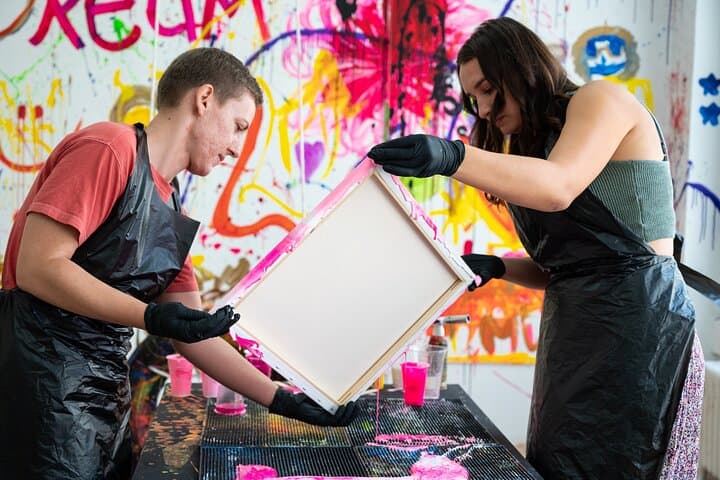
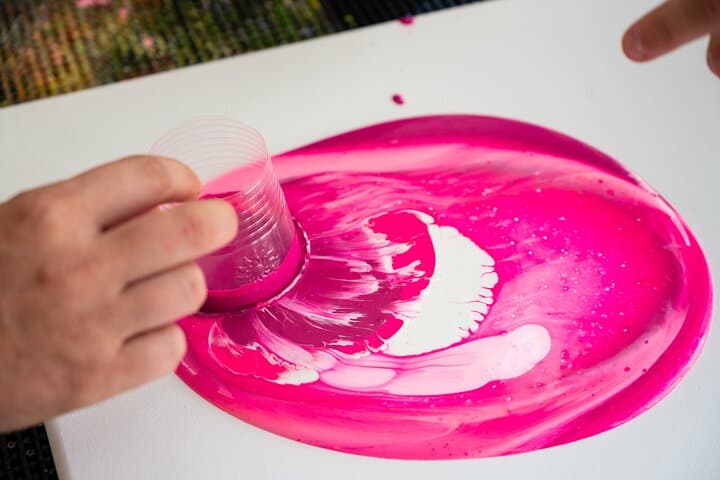
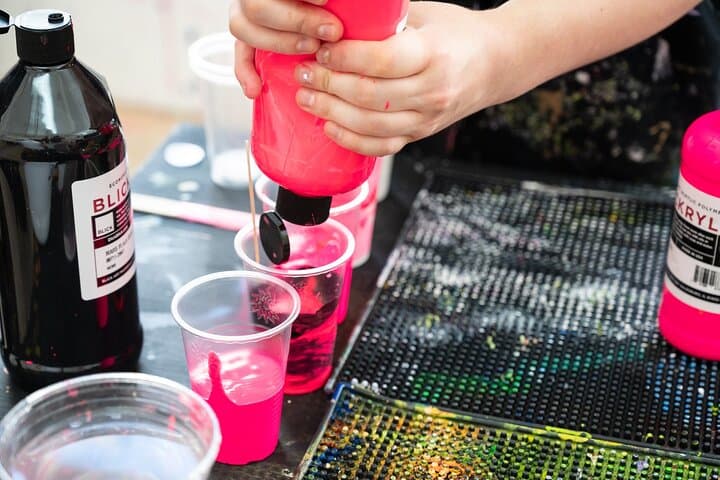
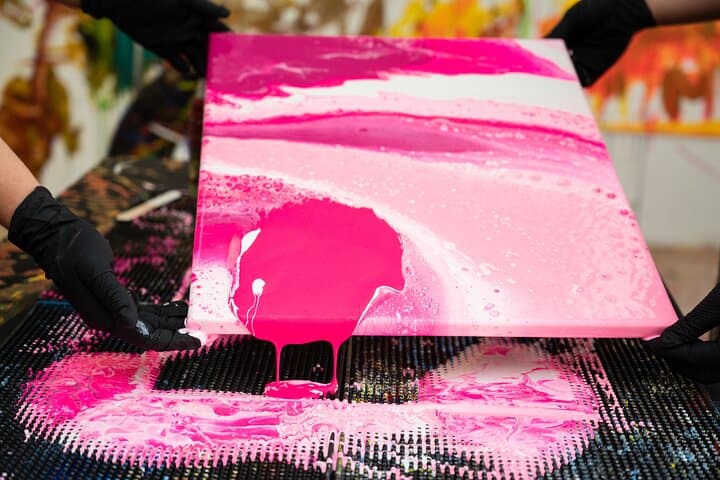
You step into a bright studio off a busy New York street, the city noise muffled by thick glass and the scent of acrylics and rubbing alcohol. Plastic-covered tables wait like blank stages; jars of color glimmer under studio lights. Instructors demonstrate how silicone, paint, and a quick flame open cells in a pour — colors crawl, meet and repel, revealing patterns that feel part science, part surprise.
You step into a bright studio off a busy New York street, the city noise muffled by thick glass and the scent of acrylics and rubbing alcohol. Plastic-covered tables wait like blank stages; jars of color glimmer under studio lights. Instructors demonstrate how silicone, paint, and a quick flame open cells in a pour — colors crawl, meet and repel, revealing patterns that feel part science, part surprise.
Fluid art has roots in mid-20th-century experimentation with poured paint and has grown into a contemporary studio practice favored for its immediacy and unpredictability. In New York, makers adapted vacant industrial spaces into light-filled studios, pairing technical tips with a DIY spirit that reflects the city’s long history as an incubator for creative trades. Geologically, Manhattan sits on Manhattan Schist — a hard bedrock that enabled the dense skyline; culturally, the city’s openness to fast-moving art forms helped pour painting gain quick traction here.
This private 45-minute session suits individuals and small groups; one 16×20 canvas and paint are included, and finished pieces need up to five days to dry. Expect hands-on demos for mixing, layering and using a hair dryer or small torch to coax cells. Wheelchair access and public transit nearby make the studio easy to reach. Practical tips: wear clothes you don’t mind splashing, plan for drying time, and allow extra time if you’re photographing the process.
The experience blends guided technique with intuitive play — you leave with a unique canvas and a clearer sense of how chemistry, motion and chance shape abstract image-making.