THE ADVENTURE COLLECTIVE® · Independent discovery and booking for outdoor travel

Discover fluid acrylic painting in a private Chicago studio session that teaches pouring, silicone techniques, and torching to reveal vivid cells and patterns. This 45-minute hands-on workshop is beginner-friendly and ideal for small groups.
Discover fluid acrylic painting in a private Chicago studio session that teaches pouring, silicone techniques, and torching to reveal vivid cells and patterns. This 45-minute hands-on workshop is beginner-friendly and ideal for small groups.
You step into a bright studio a few blocks from Chicago’s lakefront and the room hums with the quiet focus of people manipulating color. Tables are prepped with silicone, cups, and 16x20 canvases; instructors move between stations, demonstrating how a hair dryer and a small torch coax cells and veils out of liquid paint. The air is warm with solvent-free acrylics and concentration.
Verified experiences and guided adventures in the surrounding area.
Operated by Shot of Art Chicago · Chicago, Illinois
You step into a bright studio a few blocks from Chicago’s lakefront and the room hums with the quiet focus of people manipulating color. Tables are prepped with silicone, cups, and 16x20 canvases; instructors move between stations, demonstrating how a hair dryer and a small torch coax cells and veils out of liquid paint. The air is warm with solvent-free acrylics and concentration.
Fluid art has roots in mid-20th-century experimental painting and modern pouring techniques refined by hobbyists and professionals alike. In Chicago the practice sits comfortably alongside the city’s robust mural and gallery scene—an accessible, performative counterpoint to framed work in museums. Geologically, the nearby Lake Michigan shore shaped the city’s industrial grids; culturally, this is a place where craft and design meet practical city life, and short, social workshops reflect that blend.
The class runs about 45 minutes, geared for complete beginners to small private groups; organizers supply aprons, paint sets, silicone, burners, and one canvas per person. Expect to learn basic pours, torching for cell formation, and safe handling of tools. Finished pieces need several days to dry; transport them flat or leave them to cure at the studio if offered.
Practical tips: arrive 10 minutes early for linens and prep, wear clothes you don’t mind staining, plan for wet paint in transit, and budget five days before framing. For groups, ask about customized palettes and extra canvases.
easy.
45 minutes.
No special fitness required; participants should be able to stand or sit at a table for short periods.
No—this class is designed for beginners and covers basic pouring, silicone use, and safe torching techniques.
Yes—acrylic paints, silicone, burners, and one 16x20 inch canvas per person are included.
Paint will be touch-dry in hours but typically needs up to five days to fully cure depending on humidity and layer thickness.
The experience is suitable for ages 3 and up, but check studio policies for supervision and safety around heat tools.
Fluid pouring draws on experimental painting movements and modern craft trends; Chicago’s hands-on workshop culture reflects the city’s long history of supporting maker communities.
Studios often use water-based acrylics and limit solvent use; disposing of paint responsibly and using provided aprons reduces household waste and hazards.
Shot of Art Chicago operates guided outdoor trips and adventures with an emphasis on safety, stewardship, and memorable experiences.
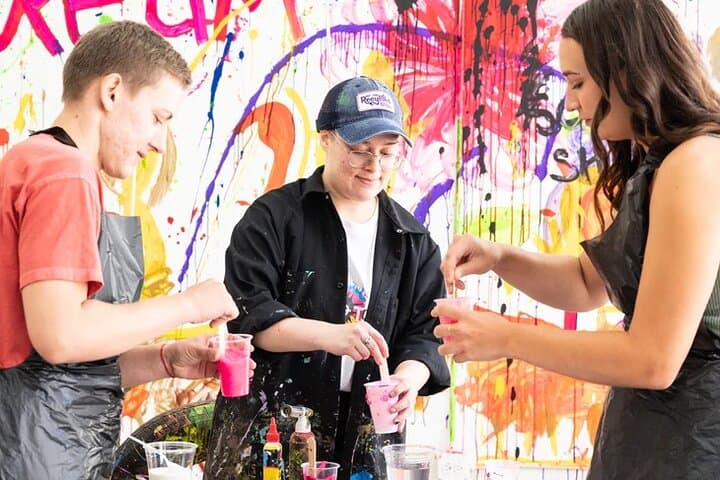
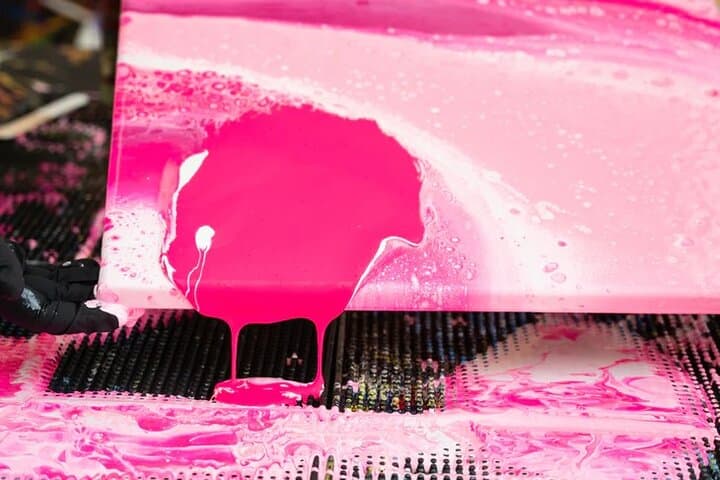
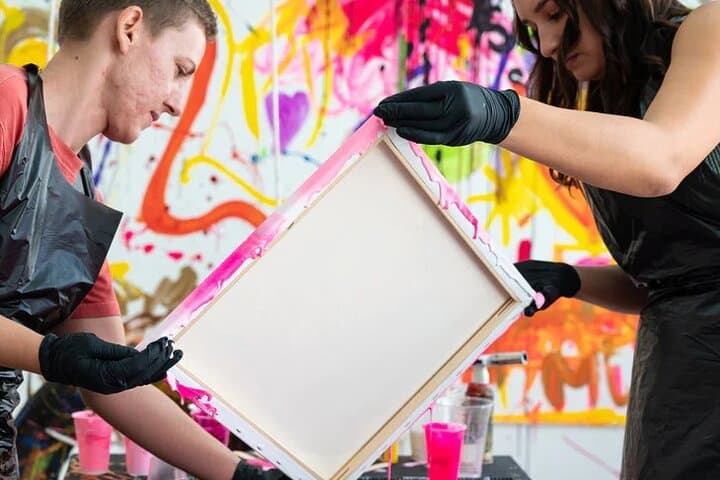
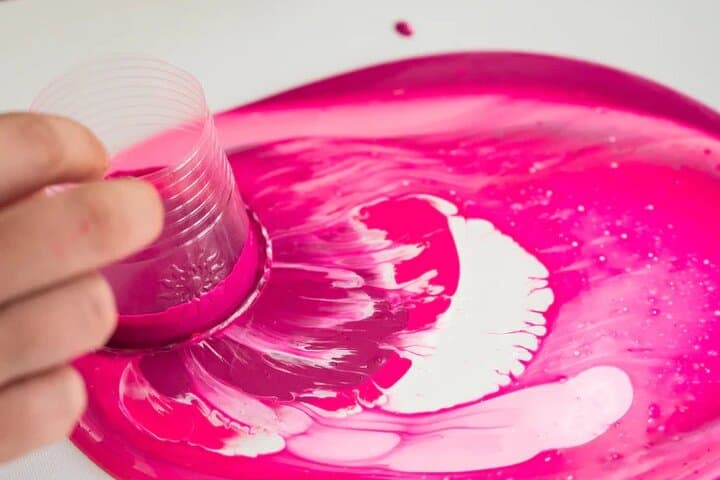
You step into a bright studio a few blocks from Chicago’s lakefront and the room hums with the quiet focus of people manipulating color. Tables are prepped with silicone, cups, and 16x20 canvases; instructors move between stations, demonstrating how a hair dryer and a small torch coax cells and veils out of liquid paint. The air is warm with solvent-free acrylics and concentration.
You step into a bright studio a few blocks from Chicago’s lakefront and the room hums with the quiet focus of people manipulating color. Tables are prepped with silicone, cups, and 16x20 canvases; instructors move between stations, demonstrating how a hair dryer and a small torch coax cells and veils out of liquid paint. The air is warm with solvent-free acrylics and concentration.
Fluid art has roots in mid-20th-century experimental painting and modern pouring techniques refined by hobbyists and professionals alike. In Chicago the practice sits comfortably alongside the city’s robust mural and gallery scene—an accessible, performative counterpoint to framed work in museums. Geologically, the nearby Lake Michigan shore shaped the city’s industrial grids; culturally, this is a place where craft and design meet practical city life, and short, social workshops reflect that blend.
The class runs about 45 minutes, geared for complete beginners to small private groups; organizers supply aprons, paint sets, silicone, burners, and one canvas per person. Expect to learn basic pours, torching for cell formation, and safe handling of tools. Finished pieces need several days to dry; transport them flat or leave them to cure at the studio if offered.
Practical tips: arrive 10 minutes early for linens and prep, wear clothes you don’t mind staining, plan for wet paint in transit, and budget five days before framing. For groups, ask about customized palettes and extra canvases.