THE ADVENTURE COLLECTIVE® · Independent discovery and booking for outdoor travel

Trace Morocco’s imperial arc in a single day: depart Fes, pause in Meknes, tour Rabat’s Hassan Tower and Kasbah of the Udayas, then finish at Casablanca’s Hassan II Mosque. This private transfer pairs efficient driving with short, focused walks and coastal panoramas.
Trace Morocco’s imperial arc in a single day: depart Fes, pause in Meknes, tour Rabat’s Hassan Tower and Kasbah of the Udayas, then finish at Casablanca’s Hassan II Mosque. This private transfer pairs efficient driving with short, focused walks and coastal panoramas.
The day begins before dawn in Fes, the medina’s narrow lanes thinning as a private vehicle eases onto the Saïs Plateau. Windows frame olive groves and low hills, and by midmorning the mosaic of imperial cities unfolds—stone gates, broad plazas and the Atlantic light that sharpens Rabat’s waterfront.
Verified experiences and guided adventures in the surrounding area.
Operated by Bekben travel · Fez, Fès-Meknès
The day begins before dawn in Fes, the medina’s narrow lanes thinning as a private vehicle eases onto the Saïs Plateau. Windows frame olive groves and low hills, and by midmorning the mosaic of imperial cities unfolds—stone gates, broad plazas and the Atlantic light that sharpens Rabat’s waterfront.
Rabat’s Hassan Tower and the Mausoleum of Mohammed V are living chapters of Morocco’s medieval and modern story: 12th-century Almohad ambitions, later Alaouite refinements, and seafaring trade that shaped the coastline. Geology is quieter but present—sedimentary plains give way to wind-sculpted coastal cliffs and the Atlantic’s slow pull, which made Casablanca a 20th-century port metropolis.
Culture arrives in courtyards and kasbah alleys: the Kasbah of the Udayas shows Andalusian influence in its gardens and tilework, while Rabat’s medina hums with vendors and small cafés. The drive covers varied textures—fertile plains, the stone geometry of Meknes’ Bab Mansour, and Casablanca’s modern Hassan II Mosque perched where land meets sea.
Practical guidance: expect 7–8 hours of travel with several short walks on uneven paving. Pack a water bottle, sun protection and modest clothing for religious sites. Allow time for lunch in Rabat’s medina and keep small change for entrances and tipping. The tour is best scheduled early in the day to avoid afternoon heat and to reach Casablanca with daylight for the mosque’s seaside views.
This itinerary suits travelers who want history, coastal vistas and a single seamless transfer across northern Morocco—efficient, scenic and rooted in living urban landscapes.
easy.
7–8 hours.
Suitable for most fitness levels; involves short walks and standing during mosque and site visits.
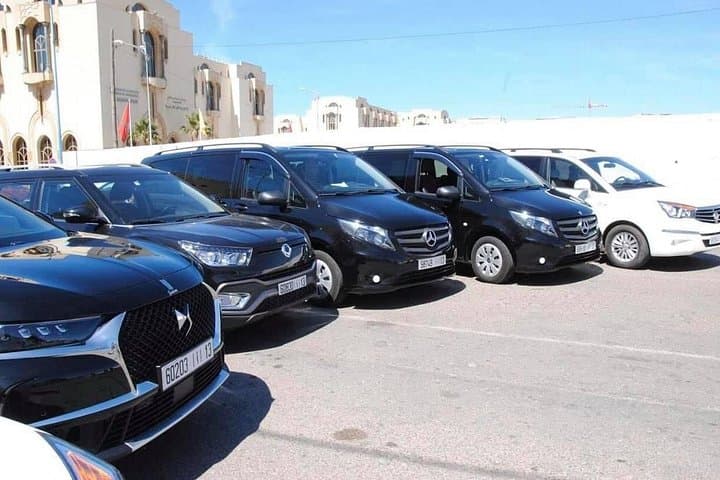
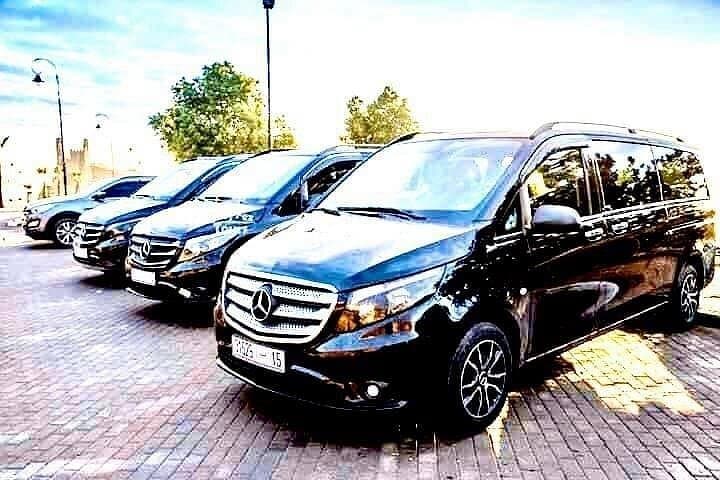
Yes—private pickup from your Fes accommodation and drop-off in Casablanca (hotel or airport) are included as specified when booking.
Entrance to sites noted as included will be covered; lunches and personal purchases are generally not included—bring cash for local eateries.
Private format allows some flexibility; discuss specific timing or additional stops with the operator before departure.
Yes—infant seats are available and the itinerary involves minimal strenuous activity, but plan for rest stops and shade in hot months.
Rabat, Meknes and Fes are imperial cities shaped by Almohad and Alaouite dynasties; each site reflects different periods of Morocco’s political and architectural history.
Coastal sites and historic monuments face pressures from urban development and visitor wear—follow local guidance, avoid littering, and respect restricted areas to reduce impact.
Bekben travel operates guided outdoor trips and adventures with an emphasis on safety, stewardship, and memorable experiences.


The day begins before dawn in Fes, the medina’s narrow lanes thinning as a private vehicle eases onto the Saïs Plateau. Windows frame olive groves and low hills, and by midmorning the mosaic of imperial cities unfolds—stone gates, broad plazas and the Atlantic light that sharpens Rabat’s waterfront.
The day begins before dawn in Fes, the medina’s narrow lanes thinning as a private vehicle eases onto the Saïs Plateau. Windows frame olive groves and low hills, and by midmorning the mosaic of imperial cities unfolds—stone gates, broad plazas and the Atlantic light that sharpens Rabat’s waterfront.
Rabat’s Hassan Tower and the Mausoleum of Mohammed V are living chapters of Morocco’s medieval and modern story: 12th-century Almohad ambitions, later Alaouite refinements, and seafaring trade that shaped the coastline. Geology is quieter but present—sedimentary plains give way to wind-sculpted coastal cliffs and the Atlantic’s slow pull, which made Casablanca a 20th-century port metropolis.
Culture arrives in courtyards and kasbah alleys: the Kasbah of the Udayas shows Andalusian influence in its gardens and tilework, while Rabat’s medina hums with vendors and small cafés. The drive covers varied textures—fertile plains, the stone geometry of Meknes’ Bab Mansour, and Casablanca’s modern Hassan II Mosque perched where land meets sea.
Practical guidance: expect 7–8 hours of travel with several short walks on uneven paving. Pack a water bottle, sun protection and modest clothing for religious sites. Allow time for lunch in Rabat’s medina and keep small change for entrances and tipping. The tour is best scheduled early in the day to avoid afternoon heat and to reach Casablanca with daylight for the mosque’s seaside views.
This itinerary suits travelers who want history, coastal vistas and a single seamless transfer across northern Morocco—efficient, scenic and rooted in living urban landscapes.