THE ADVENTURE COLLECTIVE® · Independent discovery and booking for outdoor travel

Explore Egypt’s highest waterfalls at Wadi El‑Rayan and the fossil fields of Wadi al‑Hitan on a private day trip from Cairo. This guided 8–10 hour tour mixes short hikes, 4x4 driving, and close-up access to one of the world’s most important paleontological sites.
Explore Egypt’s highest waterfalls at Wadi El‑Rayan and the fossil fields of Wadi al‑Hitan on a private day trip from Cairo. This guided 8–10 hour tour mixes short hikes, 4x4 driving, and close-up access to one of the world’s most important paleontological sites.
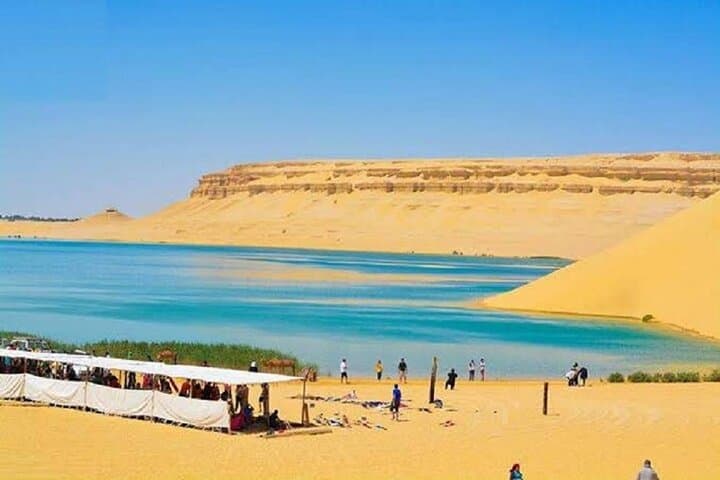
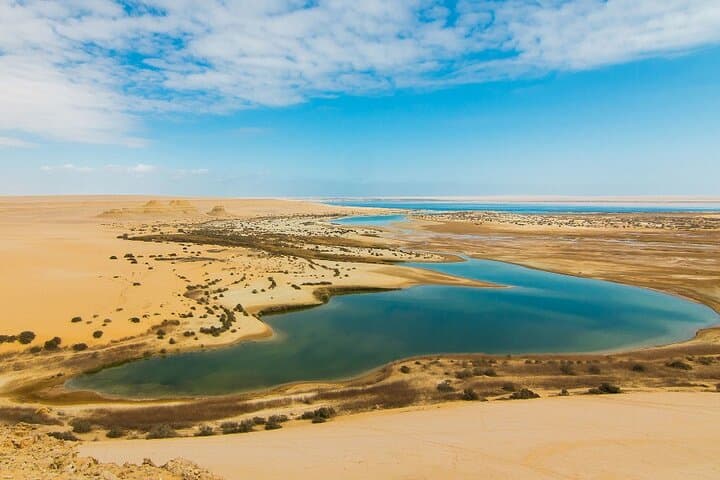
The morning light off the desert hits like a challenge: wide salt flats flashing, low volcanic ridges cutting the horizon, and a narrow ribbon of water where Wadi El-Rayan’s lakes gather. You climb into an air‑conditioned car in Cairo and drive roughly 100 km into Faiyum Governorate; the horizon opens and the western desert begins to shape the day.
Verified experiences and guided adventures in the surrounding area.
Operated by Egypt Tours Travel · Fayoum, Faiyum Governorate
The morning light off the desert hits like a challenge: wide salt flats flashing, low volcanic ridges cutting the horizon, and a narrow ribbon of water where Wadi El-Rayan’s lakes gather. You climb into an air‑conditioned car in Cairo and drive roughly 100 km into Faiyum Governorate; the horizon opens and the western desert begins to shape the day.
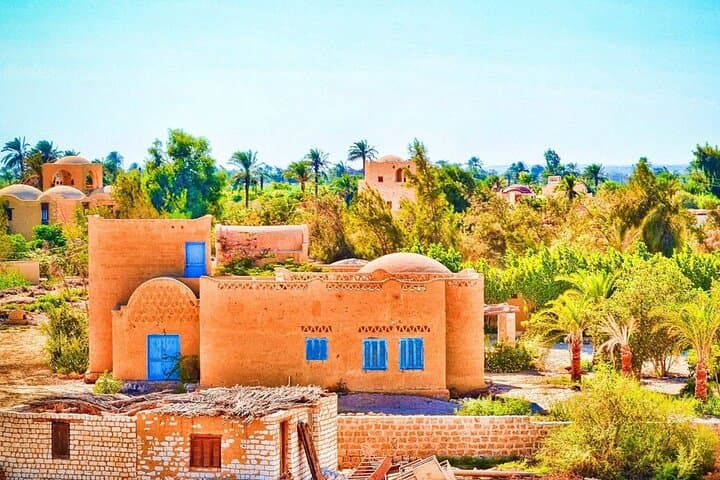
This one-day private tour pairs two geological chapters: Wadi El-Rayan, a protected depression 42 m below sea level with Egypt’s only modern waterfall and linked lakes, and Wadi al‑Hitan (Whale Valley), a UNESCO World Heritage Site where fossilized archaeocete skeletons document whales’ evolution from land to sea. The landscape switches from salted lake edges and tamarisk stands to wind-sculpted limestone where 40-million‑year‑old bones lie close to the surface. Local villages around Faiyum bring a human thread — small farms irrigated from the Nile, pottery traditions, and markets selling dates and flatbread.
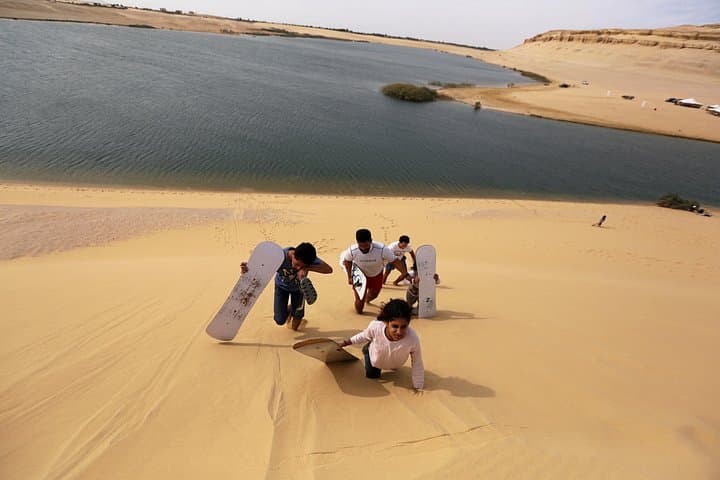
Practically, expect an 8–10 hour day with door‑to‑door pickup, two short walks at sites, and a 4x4 leg inside the fossil fields. Wear closed shoes with good traction for limestone and sand, sun protection, and carry at least 2 liters of water; temperatures in summer easily top 35°C. Respect signage at fossil sites — removal or disturbance is illegal and damages irreplaceable science. The private format means pacing and photography stops are flexible, but bring a charged camera and binoculars: the desert is quiet, but it moves — wind, light, and the distant call of desert birds daring you to look closer.
easy.
8–10 hours.
Light fitness required — mostly driving with short, easy walks over uneven ground
The tour runs about 8–10 hours (480–600 minutes) and includes private door‑to‑door pickup from Cairo or Giza hotels.
Yes — admissions to Wadi El‑Rayan and Wadi al‑Hitan and lunch are included in the tour price.
Terrain is generally easy with short walks on uneven ground; the tour is rated suitable for most fitness levels but not recommended for people with serious cardiovascular issues.
No — Wadi al‑Hitan is protected; removing or disturbing fossils is illegal. Always follow your guide’s instructions to preserve the site.
Faiyum has been an agricultural hub since Pharaonic times; the area was expanded in the Ptolemaic and Roman eras using Nile basin irrigation to support settlements near the oasis.
Wadi al‑Hitan is protected for its fossils; visitors are asked to stay on paths and not collect samples to prevent irreversible damage to scientific resources.
Egypt Tours Travel operates guided outdoor trips and adventures with an emphasis on safety, stewardship, and memorable experiences.
The morning light off the desert hits like a challenge: wide salt flats flashing, low volcanic ridges cutting the horizon, and a narrow ribbon of water where Wadi El-Rayan’s lakes gather. You climb into an air‑conditioned car in Cairo and drive roughly 100 km into Faiyum Governorate; the horizon opens and the western desert begins to shape the day.
The morning light off the desert hits like a challenge: wide salt flats flashing, low volcanic ridges cutting the horizon, and a narrow ribbon of water where Wadi El-Rayan’s lakes gather. You climb into an air‑conditioned car in Cairo and drive roughly 100 km into Faiyum Governorate; the horizon opens and the western desert begins to shape the day.
This one-day private tour pairs two geological chapters: Wadi El-Rayan, a protected depression 42 m below sea level with Egypt’s only modern waterfall and linked lakes, and Wadi al‑Hitan (Whale Valley), a UNESCO World Heritage Site where fossilized archaeocete skeletons document whales’ evolution from land to sea. The landscape switches from salted lake edges and tamarisk stands to wind-sculpted limestone where 40-million‑year‑old bones lie close to the surface. Local villages around Faiyum bring a human thread — small farms irrigated from the Nile, pottery traditions, and markets selling dates and flatbread.
Practically, expect an 8–10 hour day with door‑to‑door pickup, two short walks at sites, and a 4x4 leg inside the fossil fields. Wear closed shoes with good traction for limestone and sand, sun protection, and carry at least 2 liters of water; temperatures in summer easily top 35°C. Respect signage at fossil sites — removal or disturbance is illegal and damages irreplaceable science. The private format means pacing and photography stops are flexible, but bring a charged camera and binoculars: the desert is quiet, but it moves — wind, light, and the distant call of desert birds daring you to look closer.