THE ADVENTURE COLLECTIVE® · Independent discovery and booking for outdoor travel

Get hands-on with friendly farm animals and seasonal produce just outside Melbourne. This two-hour private farm tour mixes animal care demonstrations with tasting fresh garden goods and practical rural insights.
Get hands-on with friendly farm animals and seasonal produce just outside Melbourne. This two-hour private farm tour mixes animal care demonstrations with tasting fresh garden goods and practical rural insights.
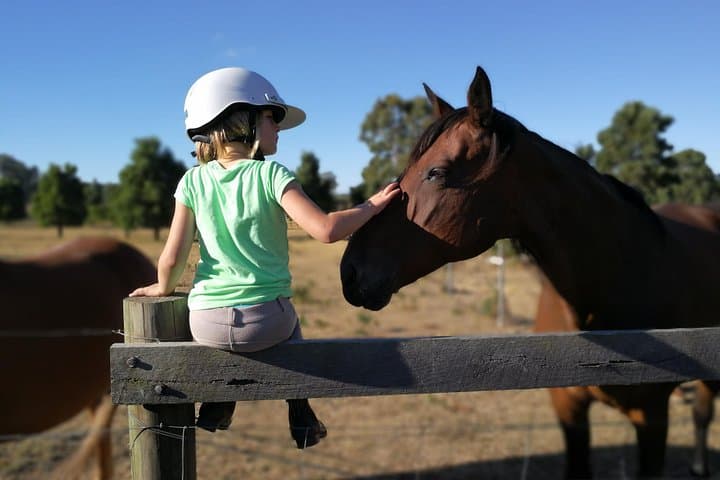
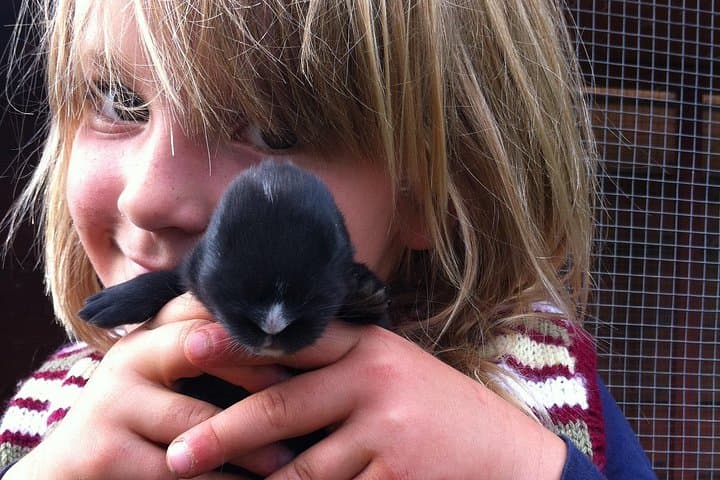
Morning light strips the paddocks in a cool silver as visitors step onto a working country property just outside Melbourne. The scent of hay and warm hide meets you first; lambs and goats push inquisitively at outstretched hands while a farmer-guide moves purposely between pens, explaining animals’ roles in rotation paddocks and seasonal chores.
Verified experiences and guided adventures in the surrounding area.
Operated by Wombat Discovery Tours · Melbourne, Victoria
Morning light strips the paddocks in a cool silver as visitors step onto a working country property just outside Melbourne. The scent of hay and warm hide meets you first; lambs and goats push inquisitively at outstretched hands while a farmer-guide moves purposely between pens, explaining animals’ roles in rotation paddocks and seasonal chores.
Farms around Victoria grew from 19th-century grazing estates into mixed hobby and commercial operations; the soils here reflect volcanic plains and river flood deposits that make the region good for pasture and vegetable beds. That geology shows in deep, dark earth where strawberries and beetroot take root and in the gently rolling fields that provide safe grazing.
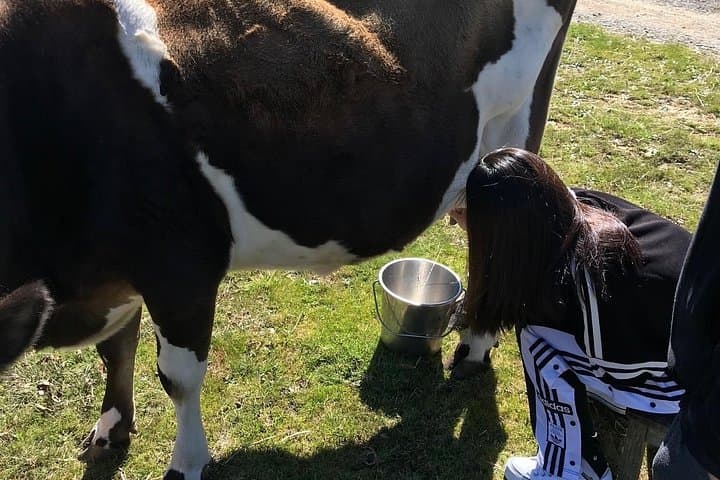
Culture on these small farms is practical and welcoming — expect plainspoken stories about milk yields, lambing seasons and the work that keeps a property running. Seasonal rhythms govern the visitor experience: bottle-feeding might appear in spring when lambing peaks, while summer brings ripe garden fruit to taste.
Practical guidance: wear closed-toe shoes and clothes you don’t mind getting soil on; farms are muddy after rain and uneven underfoot. Bring a refillable water bottle, sun protection and a camera but follow staff instructions around animals. The tour is low-impact and geared to all fitness levels, typically lasting about two hours with hands-on interaction, short walks and a Q&A with the host. Respect animal welfare — approach calmly, follow the guide’s directions, and wash hands after contact. For families, it’s a straightforward way to connect with rural life without the long drive from the city.
easy.
2 hours.
Suitable for most fitness levels; involves short, gentle walks on uneven farm terrain
Yes — the tour is family-friendly and stroller-accessible; children should be supervised and follow the guide’s directions around animals.
Sometimes — hands-on activities depend on season and farm operations; spring often features lambing and bottle-feeding, but it’s not guaranteed.
Bookings are made through the provider’s page and require manual confirmation from the host; confirm meeting details after booking.
This particular experience is sold as all-sales-final; check the provider’s policy before booking and verify weather-based cancellation terms.
Many small Victorian farms evolved from 19th-century pastures; local techniques blend settler-era grazing with modern mixed gardening.
Smaller farms often practice rotational grazing and soil care to reduce erosion; follow biosecurity rules to avoid spreading pests between properties.
Wombat Discovery Tours operates guided outdoor trips and adventures with an emphasis on safety, stewardship, and memorable experiences.
Morning light strips the paddocks in a cool silver as visitors step onto a working country property just outside Melbourne. The scent of hay and warm hide meets you first; lambs and goats push inquisitively at outstretched hands while a farmer-guide moves purposely between pens, explaining animals’ roles in rotation paddocks and seasonal chores.
Morning light strips the paddocks in a cool silver as visitors step onto a working country property just outside Melbourne. The scent of hay and warm hide meets you first; lambs and goats push inquisitively at outstretched hands while a farmer-guide moves purposely between pens, explaining animals’ roles in rotation paddocks and seasonal chores.
Farms around Victoria grew from 19th-century grazing estates into mixed hobby and commercial operations; the soils here reflect volcanic plains and river flood deposits that make the region good for pasture and vegetable beds. That geology shows in deep, dark earth where strawberries and beetroot take root and in the gently rolling fields that provide safe grazing.
Culture on these small farms is practical and welcoming — expect plainspoken stories about milk yields, lambing seasons and the work that keeps a property running. Seasonal rhythms govern the visitor experience: bottle-feeding might appear in spring when lambing peaks, while summer brings ripe garden fruit to taste.
Practical guidance: wear closed-toe shoes and clothes you don’t mind getting soil on; farms are muddy after rain and uneven underfoot. Bring a refillable water bottle, sun protection and a camera but follow staff instructions around animals. The tour is low-impact and geared to all fitness levels, typically lasting about two hours with hands-on interaction, short walks and a Q&A with the host. Respect animal welfare — approach calmly, follow the guide’s directions, and wash hands after contact. For families, it’s a straightforward way to connect with rural life without the long drive from the city.