THE ADVENTURE COLLECTIVE® · Independent discovery and booking for outdoor travel

Explore Durham’s cathedral, castle, and riverside on a private two-hour family walking tour. See medieval architecture, cross historic bridges, and finish at the lively Market Hall—ideal for multigenerational groups.
Explore Durham’s cathedral, castle, and riverside on a private two-hour family walking tour. See medieval architecture, cross historic bridges, and finish at the lively Market Hall—ideal for multigenerational groups.
The River Wear curves around the city like a slow-moving guide, daring you to follow its bend toward a skyline dominated by Norman stone. On this private two-hour walk you’ll cross Bramwellgate Bridge with the water hurrying beneath, pause where medieval streets climb toward the Cathedral, and breathe in the mix of university life and lived-in history that fills Durham’s lanes.
Verified experiences and guided adventures in the surrounding area.
Operated by Opatrip England · Durham, County Durham
The River Wear curves around the city like a slow-moving guide, daring you to follow its bend toward a skyline dominated by Norman stone. On this private two-hour walk you’ll cross Bramwellgate Bridge with the water hurrying beneath, pause where medieval streets climb toward the Cathedral, and breathe in the mix of university life and lived-in history that fills Durham’s lanes.
Durham’s core grew around the cathedral and castle after the Norman conquest; the cathedral (begun in the late 11th century) stands on a high peninsula sculpted by the Wear. The city’s fabric—cobbled High Street, timber-fronted church porches, and the quieter gardens of Crook Hall—reflects layers of medieval, Georgian and Victorian change. Stone here is predominantly sandstone and limestone from County Durham’s Carboniferous deposits, weathered into the warm hues you’ll see at dusk.
Locals blend academic rhythm with market-day bustle: Market Hall still trades fresh produce while college cloisters echo with students. The tour balances exterior viewing of UNESCO-listed architecture with riverside panoramas and compact cultural stops suited to families.
Practical guide: wear firm shoes for cobbles and a short set of steps, bring a light waterproof and a small daypack, and plan a morning or late-afternoon slot for softer light and fewer crowds. The walk is intentionally unhurried—perfect for children and multigenerational groups—while offering quick photo stops and a clear route back to High Street and public transport links. Book a private guide to tailor pace and interest, whether medieval masonry or local market finds.
easy.
2 hours.
Suitable for most fitness levels; involves walking on uneven cobbles and short stair sections.
No—this tour provides external viewing and narration; admission tickets are arranged separately if you wish to enter.
Yes—families are welcome, but expect cobbles and some steps; a robust stroller or child carrier is recommended.
The meeting point is at Crook Hall for the start, and the walk typically finishes near Durham Market Hall on High Street.
Yes—the private format allows guides to adjust pace and focus on architecture, local history, or family-friendly stories.
Durham Cathedral and Castle form a UNESCO World Heritage site; the cathedral’s construction began in the late 11th century and established Durham as a medieval pilgrimage centre.
Stick to marked public paths, support local independent stalls at Market Hall, and avoid touching fragile stonework to help preserve historic fabric.
Opatrip England operates guided outdoor trips and adventures with an emphasis on safety, stewardship, and memorable experiences.

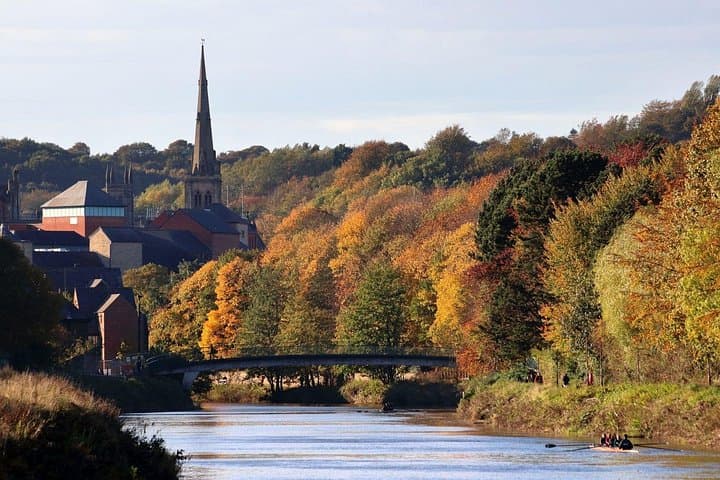
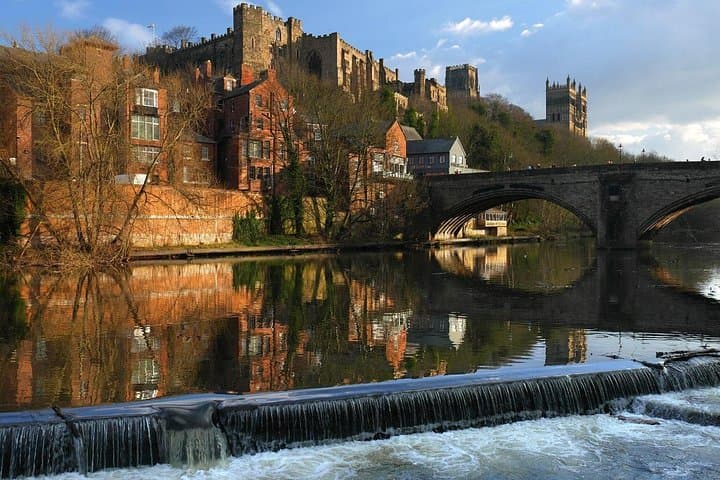

The River Wear curves around the city like a slow-moving guide, daring you to follow its bend toward a skyline dominated by Norman stone. On this private two-hour walk you’ll cross Bramwellgate Bridge with the water hurrying beneath, pause where medieval streets climb toward the Cathedral, and breathe in the mix of university life and lived-in history that fills Durham’s lanes.
The River Wear curves around the city like a slow-moving guide, daring you to follow its bend toward a skyline dominated by Norman stone. On this private two-hour walk you’ll cross Bramwellgate Bridge with the water hurrying beneath, pause where medieval streets climb toward the Cathedral, and breathe in the mix of university life and lived-in history that fills Durham’s lanes.
Durham’s core grew around the cathedral and castle after the Norman conquest; the cathedral (begun in the late 11th century) stands on a high peninsula sculpted by the Wear. The city’s fabric—cobbled High Street, timber-fronted church porches, and the quieter gardens of Crook Hall—reflects layers of medieval, Georgian and Victorian change. Stone here is predominantly sandstone and limestone from County Durham’s Carboniferous deposits, weathered into the warm hues you’ll see at dusk.
Locals blend academic rhythm with market-day bustle: Market Hall still trades fresh produce while college cloisters echo with students. The tour balances exterior viewing of UNESCO-listed architecture with riverside panoramas and compact cultural stops suited to families.
Practical guide: wear firm shoes for cobbles and a short set of steps, bring a light waterproof and a small daypack, and plan a morning or late-afternoon slot for softer light and fewer crowds. The walk is intentionally unhurried—perfect for children and multigenerational groups—while offering quick photo stops and a clear route back to High Street and public transport links. Book a private guide to tailor pace and interest, whether medieval masonry or local market finds.