THE ADVENTURE COLLECTIVE® · Independent discovery and booking for outdoor travel

A private, family-friendly walking tour through Ravello’s cliffside lanes to Villa Rufolo and Villa Cimbrone. Two hours of history, sweeping sea views, and local stories led by a professional guide.
A private, family-friendly walking tour through Ravello’s cliffside lanes to Villa Rufolo and Villa Cimbrone. Two hours of history, sweeping sea views, and local stories led by a professional guide.
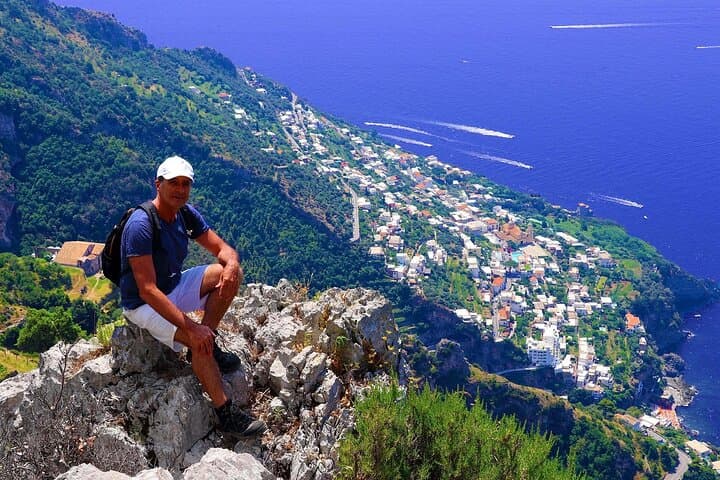
You round a narrow lane, the sea slipping into view below, and Ravello spreads on the cliff like a cluster of stone houses holding back the Amalfi air.
Verified experiences and guided adventures in the surrounding area.
Operated by Opatrip.com Italy · Ravello, Campania
You round a narrow lane, the sea slipping into view below, and Ravello spreads on the cliff like a cluster of stone houses holding back the Amalfi air.
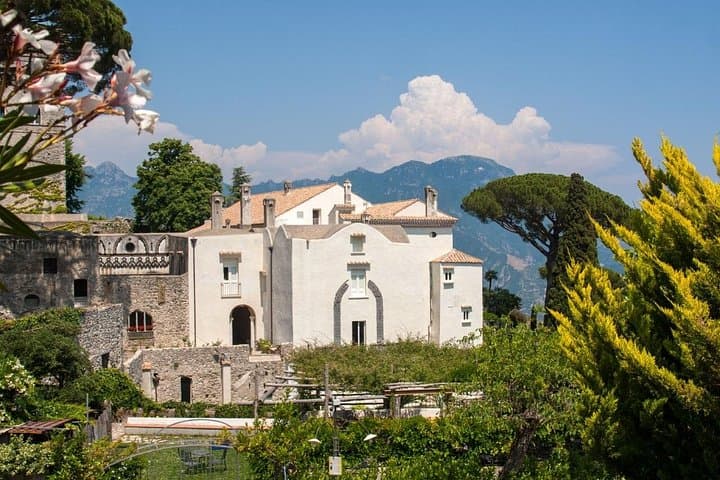
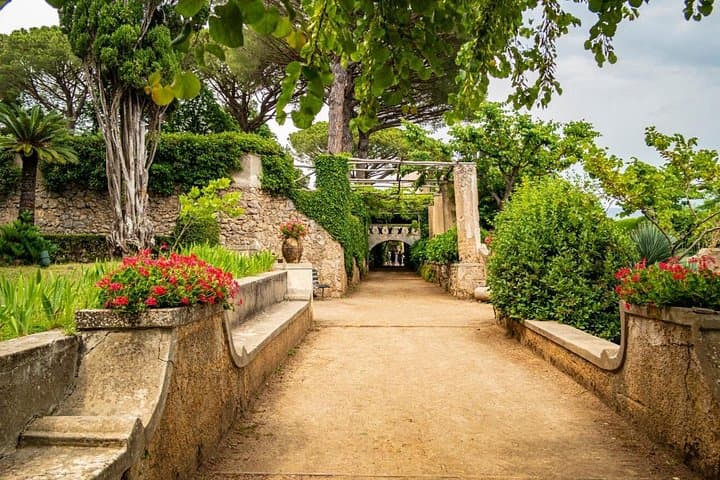
The short, private walking tour moves at a modest family pace: cobbled alleys, shaded stair runs, and sudden terraces where the Tyrrhenian dares you to linger for a photo. Guides point out Villa Rufolo’s 13th‑century crenellations and Villa Cimbrone’s sculpted gardens, both carved into the limestone scarp of the Amalfi Coast.
Ravello’s history reads in its churches and cloisters — a medieval market town that became a refuge for artists and composers in the 19th and 20th centuries, now known internationally as the City of Music. Geology is unmistakable: the cliffs are folded limestone and marl, eroded into panoramic ledges; olive groves and terraced lemon gardens cling like careful hands to the slope.
Locals still convene at Piazza Vescovado and the small Church of San Giovanni del Toro, where layers of history show through a glass floor. The town’s scale and narrow lanes make this an intimate cultural walk rather than a long hike.
Practical guidance: expect two hours of mostly walking and standing; there are steps and uneven cobbles. Bring sturdy shoes, sun protection, and water. Morning tours beat the heat and crowds, while late afternoon softens light for photos. The private guide adapts pace for children and mobility limits, and the route includes garden entrances where lines can form — book ahead in high season. This is a low‑technical, high‑sensory outing ideal for families wanting calm coastal panoramas and local stories.
moderate.
2 hours.
Moderate fitness for walking on uneven cobbles and stair sections; suitable for school‑age children with supervision.
The tour runs approximately two hours and covers Ravello’s central sights at a relaxed family pace.
Children are welcome; narrow lanes and steps can make large strollers difficult—compact models are easier and guides can adjust pacing.
Admission fees are typically not included; the itinerary notes garden visits where entry is optional and may require separate tickets.
Full refund if cancelled at least 24 hours before departure; no refund within 24 hours of the tour.
Ravello grew as a maritime and merchant hub in the Middle Ages; Villa Rufolo dates to the 13th century and later hosted cultural figures that cemented the town’s musical reputation.
The Amalfi Coast manages footpath use and waste carefully; stay on established paths, avoid littering, and support local guides who help minimize visitor impact.
Opatrip.com Italy operates guided outdoor trips and adventures with an emphasis on safety, stewardship, and memorable experiences.

You round a narrow lane, the sea slipping into view below, and Ravello spreads on the cliff like a cluster of stone houses holding back the Amalfi air.
You round a narrow lane, the sea slipping into view below, and Ravello spreads on the cliff like a cluster of stone houses holding back the Amalfi air.
The short, private walking tour moves at a modest family pace: cobbled alleys, shaded stair runs, and sudden terraces where the Tyrrhenian dares you to linger for a photo. Guides point out Villa Rufolo’s 13th‑century crenellations and Villa Cimbrone’s sculpted gardens, both carved into the limestone scarp of the Amalfi Coast.
Ravello’s history reads in its churches and cloisters — a medieval market town that became a refuge for artists and composers in the 19th and 20th centuries, now known internationally as the City of Music. Geology is unmistakable: the cliffs are folded limestone and marl, eroded into panoramic ledges; olive groves and terraced lemon gardens cling like careful hands to the slope.
Locals still convene at Piazza Vescovado and the small Church of San Giovanni del Toro, where layers of history show through a glass floor. The town’s scale and narrow lanes make this an intimate cultural walk rather than a long hike.
Practical guidance: expect two hours of mostly walking and standing; there are steps and uneven cobbles. Bring sturdy shoes, sun protection, and water. Morning tours beat the heat and crowds, while late afternoon softens light for photos. The private guide adapts pace for children and mobility limits, and the route includes garden entrances where lines can form — book ahead in high season. This is a low‑technical, high‑sensory outing ideal for families wanting calm coastal panoramas and local stories.