THE ADVENTURE COLLECTIVE® · Independent discovery and booking for outdoor travel

See Tulum’s cliff-top ruins with a private guide, then cool off in a secluded jungle cenote. This express private tour pairs archaeology with a refreshing swim—ideal for visitors short on time.
See Tulum’s cliff-top ruins with a private guide, then cool off in a secluded jungle cenote. This express private tour pairs archaeology with a refreshing swim—ideal for visitors short on time.
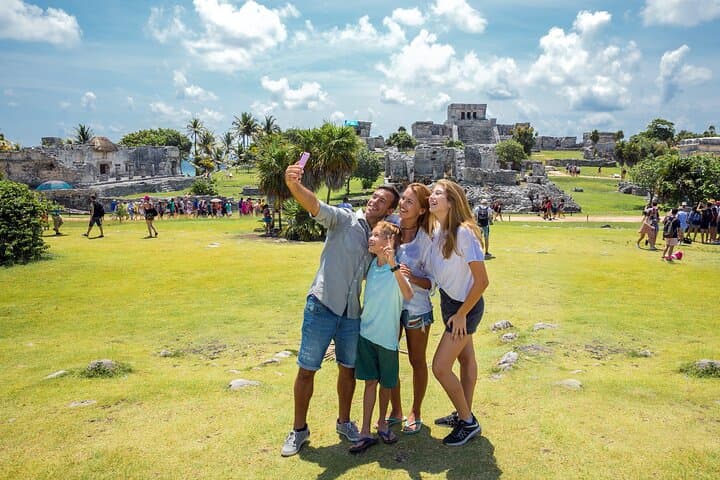
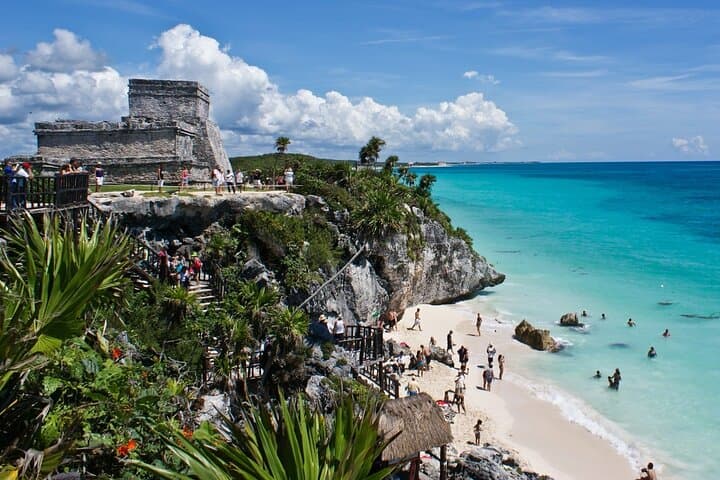
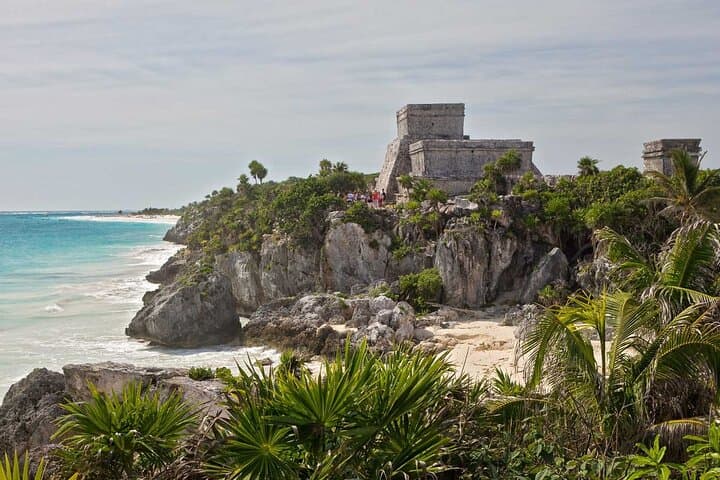
You arrive at a wind-buffed cliff where the Caribbean presses turquoise against the horizon and the stones feel warm under your hands. A private guide walks you through low, weathered walls and narrow doorways, explaining how the Maya read the sea and traded under the same sky. The sea seems to watch, its surf daring you to look farther.
Verified experiences and guided adventures in the surrounding area.
Operated by OlMar Travel Mexico · Tulum, Quintana Roo
You arrive at a wind-buffed cliff where the Caribbean presses turquoise against the horizon and the stones feel warm under your hands. A private guide walks you through low, weathered walls and narrow doorways, explaining how the Maya read the sea and traded under the same sky. The sea seems to watch, its surf daring you to look farther.
Tulum is one of the last major cities built and occupied by the Maya, its limestone cliffs and coral foundations shaped by Pleistocene sea levels and wind-carved karst. The site’s Castillo commands views of ancient trade routes while nearby shrines and altars speak to coastal ritual practice. The cenotes you’ll visit are sinkholes in the Yucatán’s porous bedrock—collapsed cave ceilings revealing mineral-clear groundwater that once supplied and sacralized life for Maya communities.
Culturally, guides connect architecture to astronomy and commerce; expect concise stories about coastal merchants and ritual offerings. Locally, small vendors sell handicrafts just outside the archaeological zone, and the road between Tulum and inland cenotes threads dry jungle that hums with lizards and bird calls.
Practically: this private express option compresses the experience into a half- to full-day—plan for 4–7 hours including transport. Wear sturdy sandals or light hiking shoes, bring reef-safe sunscreen, a swimsuit and dry bag for the cenote, and cash for modest site vendors. Early departures avoid midday heat and crowds; your guide handles tickets and timing so you can focus on the ruins and the cool, mineral water waiting in the jungle below.
easy.
4–7 hours.
Light walking on uneven surfaces and short stair sections; suitable for most adults and families.
The private express tour runs approximately 4–7 hours including transport time, depending on pickup location and traffic.
Yes—the tour includes Tulum and cenote entrance fees and provides two bottles of water per person.
The tour is described as easy and suitable for most fitness levels; however, ruins and cenote access involve steps and uneven surfaces—notify the operator about mobility needs in advance.
Bring small pesos for optional snacks, souvenirs, or restroom fees; major cards are not always accepted at small vendors.
Tulum was a strategic coastal port in the late Postclassic Maya period, notable for its walls and role in maritime trade.
Cenotes and coastal reefs are sensitive; use reef-safe products, avoid touching cave formations, and follow guide instructions to minimize impact.
OlMar Travel Mexico operates guided outdoor trips and adventures with an emphasis on safety, stewardship, and memorable experiences.
You arrive at a wind-buffed cliff where the Caribbean presses turquoise against the horizon and the stones feel warm under your hands. A private guide walks you through low, weathered walls and narrow doorways, explaining how the Maya read the sea and traded under the same sky. The sea seems to watch, its surf daring you to look farther.
You arrive at a wind-buffed cliff where the Caribbean presses turquoise against the horizon and the stones feel warm under your hands. A private guide walks you through low, weathered walls and narrow doorways, explaining how the Maya read the sea and traded under the same sky. The sea seems to watch, its surf daring you to look farther.
Tulum is one of the last major cities built and occupied by the Maya, its limestone cliffs and coral foundations shaped by Pleistocene sea levels and wind-carved karst. The site’s Castillo commands views of ancient trade routes while nearby shrines and altars speak to coastal ritual practice. The cenotes you’ll visit are sinkholes in the Yucatán’s porous bedrock—collapsed cave ceilings revealing mineral-clear groundwater that once supplied and sacralized life for Maya communities.
Culturally, guides connect architecture to astronomy and commerce; expect concise stories about coastal merchants and ritual offerings. Locally, small vendors sell handicrafts just outside the archaeological zone, and the road between Tulum and inland cenotes threads dry jungle that hums with lizards and bird calls.
Practically: this private express option compresses the experience into a half- to full-day—plan for 4–7 hours including transport. Wear sturdy sandals or light hiking shoes, bring reef-safe sunscreen, a swimsuit and dry bag for the cenote, and cash for modest site vendors. Early departures avoid midday heat and crowds; your guide handles tickets and timing so you can focus on the ruins and the cool, mineral water waiting in the jungle below.