THE ADVENTURE COLLECTIVE® · Independent discovery and booking for outdoor travel

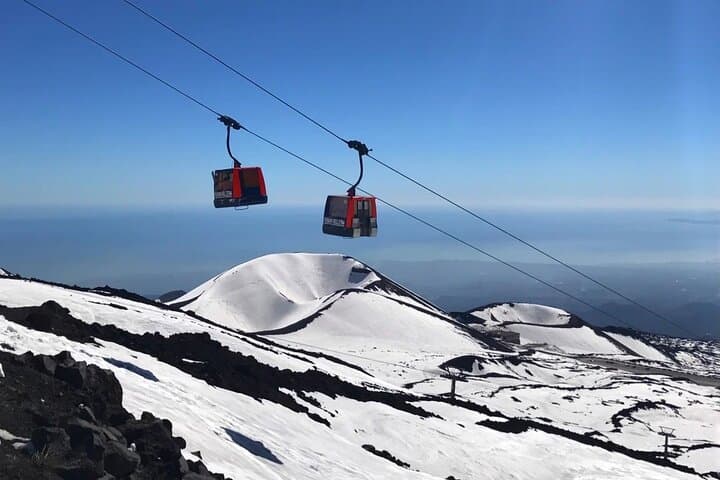
Depart Messina for a private half-day ride up Mount Etna to the Silvestri Craters. Expect dramatic volcanic landscapes, local food stalls, and optional cable car access for higher viewpoints.
Depart Messina for a private half-day ride up Mount Etna to the Silvestri Craters. Expect dramatic volcanic landscapes, local food stalls, and optional cable car access for higher viewpoints.
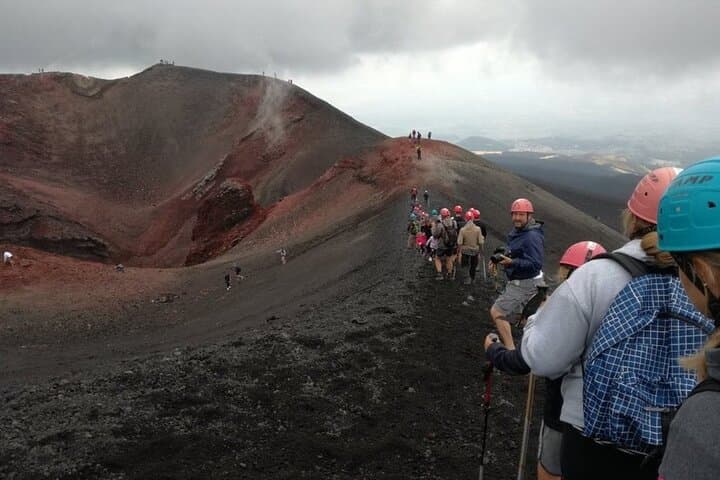
A bus eases away from the ferry terminal in Messina and the coastline slides into olive groves and basalt scars. Within an hour the vehicle reaches Giarre at Etna’s lower slopes; another half hour of ascent brings the group into the stony airs of the volcano’s northern flank around 1,900 meters. Wind and sulfur-scented breezes shape the scene—the Silvestri Craters sit like recent pages in the mountain’s story, their rims shadowed by older lava flows.
Verified experiences and guided adventures in the surrounding area.
Operated by Get in Sicily · Giarre, Sicily
A bus eases away from the ferry terminal in Messina and the coastline slides into olive groves and basalt scars. Within an hour the vehicle reaches Giarre at Etna’s lower slopes; another half hour of ascent brings the group into the stony airs of the volcano’s northern flank around 1,900 meters. Wind and sulfur-scented breezes shape the scene—the Silvestri Craters sit like recent pages in the mountain’s story, their rims shadowed by older lava flows.
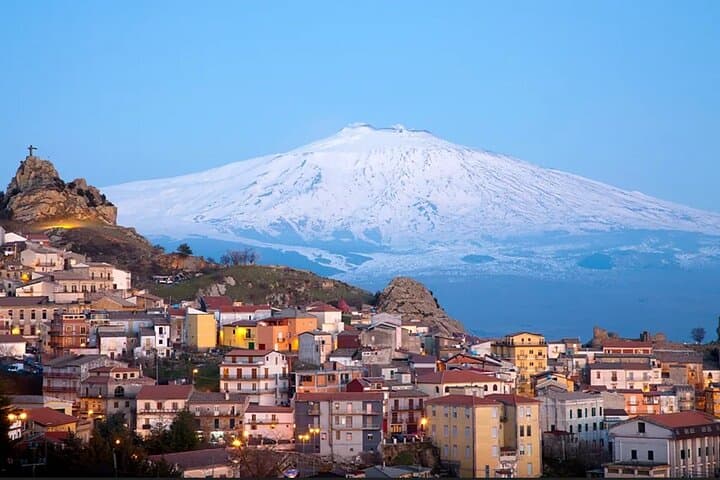
Mount Etna’s profile is geological shorthand for Sicily’s restless past. Layers of basalt and ash record eruptions that rerouted towns and created new fields; the Silvestri cones themselves date to the 1892 eruption. Nearby towns such as Giarre and Nicolosi carry a culture shaped by lava—vineyards planted on volcanic soils, small shops selling pistachio and citrus products, and cafes where locals debate the next rumble.
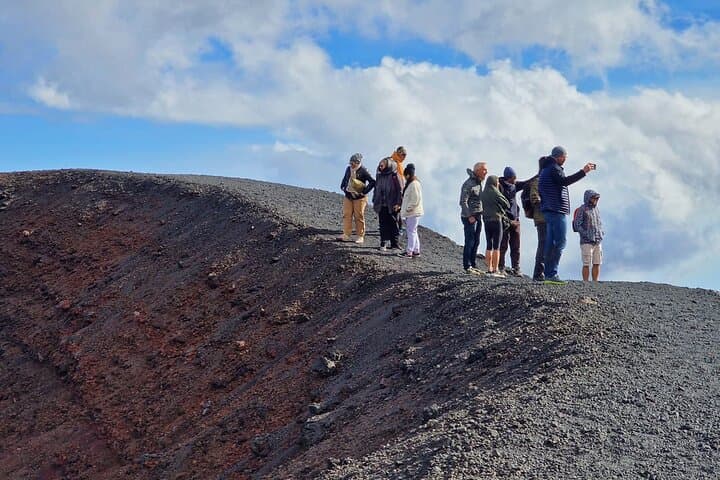
Visitors typically spend two to three hours at the high plateau: short hikes to crater viewpoints, browsing local stalls, and optional cable car or guided off-road rides that gain further elevation (tickets sold separately). Weather can change fast—sun at sea level can turn to wind-driven chill above the tree line—so layers and sturdy shoes matter. Hydrate before you go and budget time for photos; the light along the ridgelines sharpens textures and brings the lava flows into relief.
This private transfer returns to Messina in the afternoon, leaving travelers with a compact but vivid encounter with Europe’s highest active volcano.
moderate.
5–6 hours.
Suitable for travelers in average fitness; involves short walks on uneven volcanic terrain and some standing at viewpoints.
Total door-to-door time is about 5–6 hours, including roughly 1–1.5 hours driving each way and 2–3 hours at Mount Etna.
No—cable car and higher-elevation transport (if available) are typically an additional cost and can be purchased on site.
Yes; the transfer is stroller-accessible and infant seats are available, but parents should plan for altitude and variable weather at higher stops.
Yes—operators commonly cancel in unstable or unsafe weather; check the cancellation policy and reconfirm on the day of travel.
Etna’s frequent eruptions have reshaped local settlement patterns since antiquity; the 1892 eruption created the Silvestri Craters that visitors see today.
Visitors should stick to marked paths to protect fragile lichen and newly colonizing plants on young lava; local guides promote low-impact visits and waste-free practices.
Get in Sicily operates guided outdoor trips and adventures with an emphasis on safety, stewardship, and memorable experiences.
A bus eases away from the ferry terminal in Messina and the coastline slides into olive groves and basalt scars. Within an hour the vehicle reaches Giarre at Etna’s lower slopes; another half hour of ascent brings the group into the stony airs of the volcano’s northern flank around 1,900 meters. Wind and sulfur-scented breezes shape the scene—the Silvestri Craters sit like recent pages in the mountain’s story, their rims shadowed by older lava flows.
A bus eases away from the ferry terminal in Messina and the coastline slides into olive groves and basalt scars. Within an hour the vehicle reaches Giarre at Etna’s lower slopes; another half hour of ascent brings the group into the stony airs of the volcano’s northern flank around 1,900 meters. Wind and sulfur-scented breezes shape the scene—the Silvestri Craters sit like recent pages in the mountain’s story, their rims shadowed by older lava flows.
Mount Etna’s profile is geological shorthand for Sicily’s restless past. Layers of basalt and ash record eruptions that rerouted towns and created new fields; the Silvestri cones themselves date to the 1892 eruption. Nearby towns such as Giarre and Nicolosi carry a culture shaped by lava—vineyards planted on volcanic soils, small shops selling pistachio and citrus products, and cafes where locals debate the next rumble.
Visitors typically spend two to three hours at the high plateau: short hikes to crater viewpoints, browsing local stalls, and optional cable car or guided off-road rides that gain further elevation (tickets sold separately). Weather can change fast—sun at sea level can turn to wind-driven chill above the tree line—so layers and sturdy shoes matter. Hydrate before you go and budget time for photos; the light along the ridgelines sharpens textures and brings the lava flows into relief.
This private transfer returns to Messina in the afternoon, leaving travelers with a compact but vivid encounter with Europe’s highest active volcano.