THE ADVENTURE COLLECTIVE® · Independent discovery and booking for outdoor travel

Glide across the River of Grass on a private airboat tour from Miami. Over four hours, guides reveal wetlands geology, abundant birdlife, and the human history that reshaped South Florida’s slow-moving marshes.
Glide across the River of Grass on a private airboat tour from Miami. Over four hours, guides reveal wetlands geology, abundant birdlife, and the human history that reshaped South Florida’s slow-moving marshes.
A low, resonant hum grows as the airboat slips away from the dock and into a panorama of sawgrass and open water; the marsh breathes around the vessel, pushing a cool film of air across faces. Visitors watch reeds ripple like a green sea while light scatters on shallow channels—an ecosystem that feels both fragile and obstinately alive.
Verified experiences and guided adventures in the surrounding area.
Operated by Magic City Adventures · Miami, Florida
A low, resonant hum grows as the airboat slips away from the dock and into a panorama of sawgrass and open water; the marsh breathes around the vessel, pushing a cool film of air across faces. Visitors watch reeds ripple like a green sea while light scatters on shallow channels—an ecosystem that feels both fragile and obstinately alive.
The Everglades formed from sediments of the ancient Kissimmee River and a slow-moving sheet of water once called the "River of Grass." Spanish explorers, Seminole communities, and 20th-century drainage projects all left marks on the landscape, shaping water flow, wildlife distribution, and the culture around the wetlands.
Geology here is subtle: limestone bedrock underlies peat and marl, and small elevation shifts determine where cypress domes form versus marsh. Culturally, communities from Homestead to Everglades City maintain fishing, airboat guiding, and conservation ties to the park’s history.
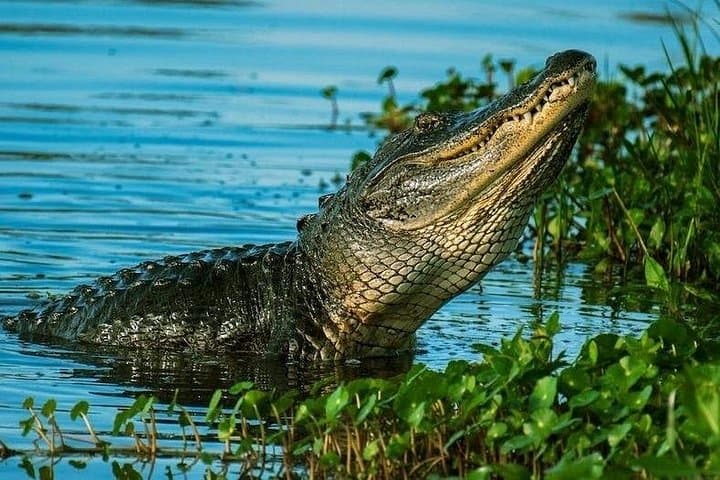
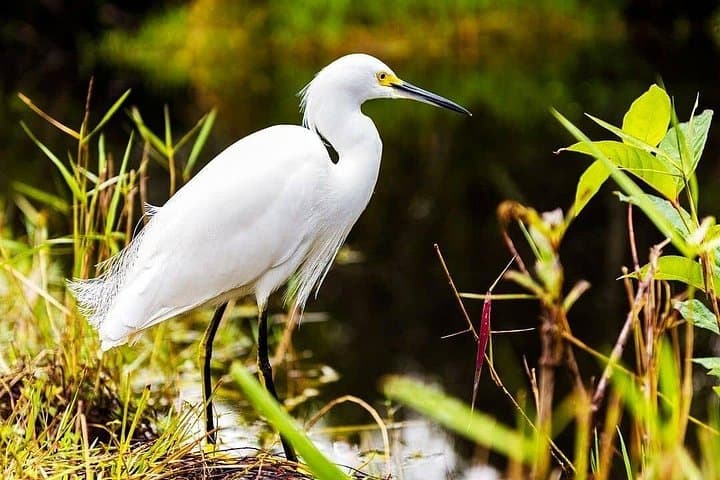
On a private four-hour airboat outing, guides point out wading birds, turtles hauled on log islands, and the distinctive ridges and sloughs that direct flow. Alligators are common; panthers are rare but part of the story.
Practical guidance: wear closed-toe shoes and layered clothing (wind from the fan can be cool), bring sun protection and binoculars, and expect intermittent bumps and spray. Tours typically include pickup from Miami-area hotels and bottled water; allow time for transport since much of the duration can be transit. For the best light, plan early-morning departures for birds and calmer water; afternoons bring heat and insects. Respect posted distances from wildlife and support operators practicing wetland-safe fuels and quiet-idle practices.
easy.
4 hours.
Minimal fitness required; must be able to step on and off a low dock and sit for the boat ride.
Yes; operators commonly allow infants and can provide infant seats—confirm at booking and mention age for pickup arrangements.
This private tour typically includes pickup and drop-off from Miami-area hotels; transport time is part of the advertised duration.
Alligators, turtles, and many wading birds are commonly seen; sightings of rarer species like panthers are possible but uncommon.
Full refunds are normally available if canceled at least 24 hours before departure—check your booking confirmation for exact terms.
Water management and 20th-century drainage projects dramatically altered the Everglades’ natural sheetflow; Seminole communities and early settlers adapted livelihoods to these waterways.
Restoration efforts focus on restoring freshwater flow and curbing invasive species like Burmese python; choose operators who follow best practices for fuel use and wildlife distance.
Magic City Adventures operates guided outdoor trips and adventures with an emphasis on safety, stewardship, and memorable experiences.
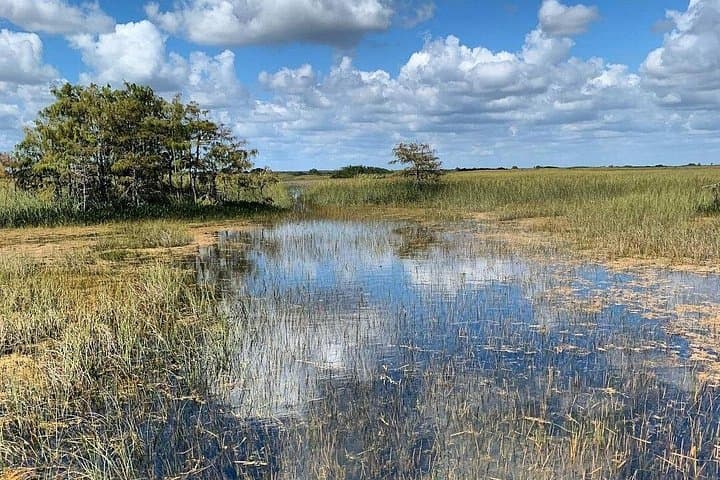
A low, resonant hum grows as the airboat slips away from the dock and into a panorama of sawgrass and open water; the marsh breathes around the vessel, pushing a cool film of air across faces. Visitors watch reeds ripple like a green sea while light scatters on shallow channels—an ecosystem that feels both fragile and obstinately alive.
A low, resonant hum grows as the airboat slips away from the dock and into a panorama of sawgrass and open water; the marsh breathes around the vessel, pushing a cool film of air across faces. Visitors watch reeds ripple like a green sea while light scatters on shallow channels—an ecosystem that feels both fragile and obstinately alive.
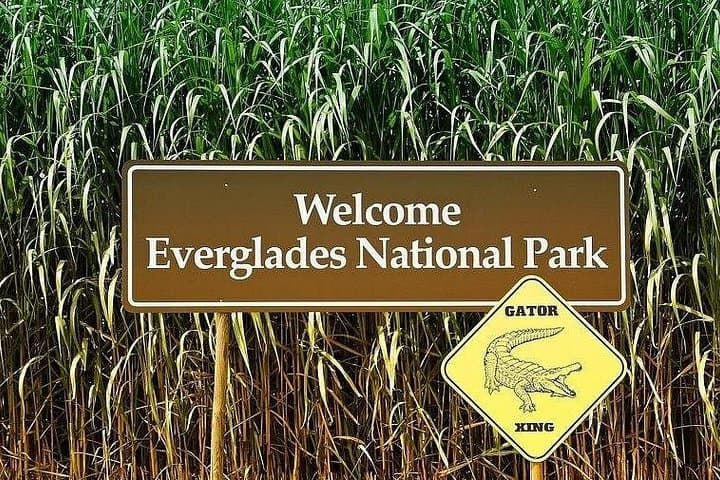
The Everglades formed from sediments of the ancient Kissimmee River and a slow-moving sheet of water once called the "River of Grass." Spanish explorers, Seminole communities, and 20th-century drainage projects all left marks on the landscape, shaping water flow, wildlife distribution, and the culture around the wetlands.
Geology here is subtle: limestone bedrock underlies peat and marl, and small elevation shifts determine where cypress domes form versus marsh. Culturally, communities from Homestead to Everglades City maintain fishing, airboat guiding, and conservation ties to the park’s history.
On a private four-hour airboat outing, guides point out wading birds, turtles hauled on log islands, and the distinctive ridges and sloughs that direct flow. Alligators are common; panthers are rare but part of the story.
Practical guidance: wear closed-toe shoes and layered clothing (wind from the fan can be cool), bring sun protection and binoculars, and expect intermittent bumps and spray. Tours typically include pickup from Miami-area hotels and bottled water; allow time for transport since much of the duration can be transit. For the best light, plan early-morning departures for birds and calmer water; afternoons bring heat and insects. Respect posted distances from wildlife and support operators practicing wetland-safe fuels and quiet-idle practices.