THE ADVENTURE COLLECTIVE® · Independent discovery and booking for outdoor travel

Explore the vineyards carved into Mount Etna’s volcanic slopes on a private cellar tour with wine tasting and lunch. Learn how lava soils shape Carricante and Nerello Mascalese while sampling wines on panoramic terraces.
Explore the vineyards carved into Mount Etna’s volcanic slopes on a private cellar tour with wine tasting and lunch. Learn how lava soils shape Carricante and Nerello Mascalese while sampling wines on panoramic terraces.
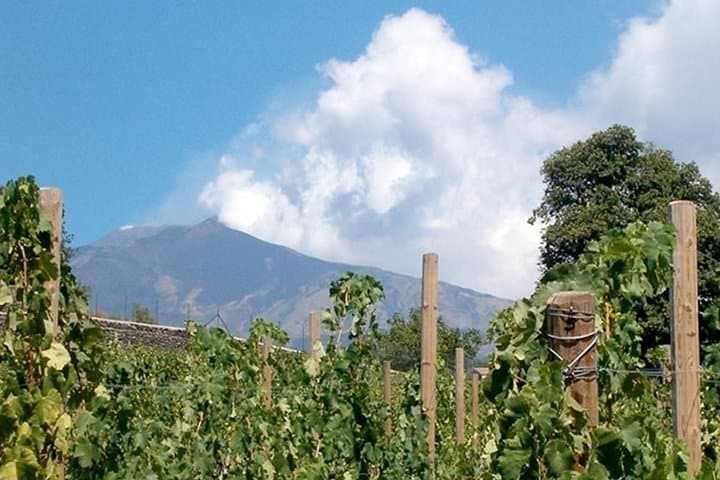
You arrive on the lower slopes of Mount Etna where the road narrows and vineyards climb like hand-stitched steps toward the sky. Basalt walls and rows of hardy vines frame views of the volcano’s flank, and the sea glints beyond — a backdrop that turns every pour into a moment of place.
Verified experiences and guided adventures in the surrounding area.
Operated by Etna Sicily Tours · Catania, Sicily
You arrive on the lower slopes of Mount Etna where the road narrows and vineyards climb like hand-stitched steps toward the sky. Basalt walls and rows of hardy vines frame views of the volcano’s flank, and the sea glints beyond — a backdrop that turns every pour into a moment of place.
Viticulture on Etna is an exercise in adaptation: ancient terraces, volcanic ash and lava sand create mineral-rich soils that shape distinct wines such as Carricante and Nerello Mascalese. Winemaking here blends Greek and Norman influences with a modern sommelier’s touch; small family cellars still ferment in stone rooms cut from old lava. The area’s geology — frequent eruptions, layered lava flows and ash deposits — forces growers to work with microclimates, choosing exposures, row shapes and rootstocks that survive heat, wind and scarcity of water.
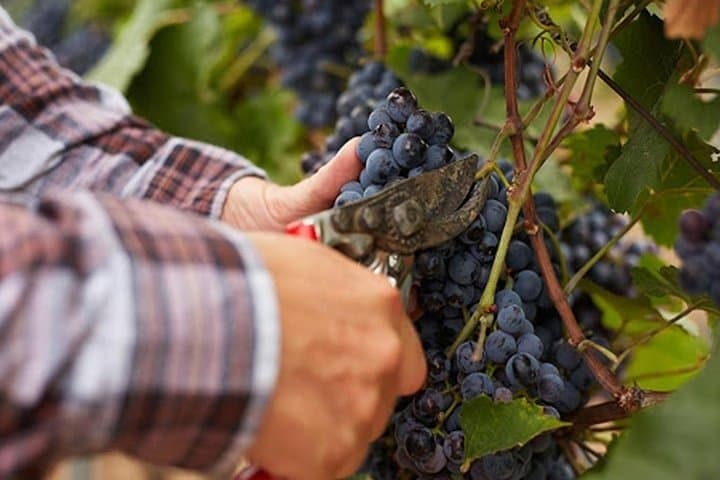
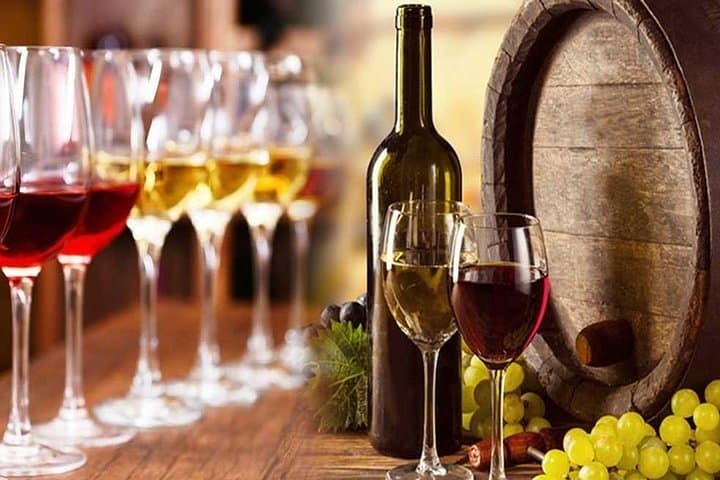
A private cellar visit typically includes a guided walk among the vines, a tour of fermentation and bottling areas, and a tasting of 3–5 wines paired with a refined local lunch. The tasting often happens on terraces where the volcano seems to breathe behind you and the sea presses the horizon. Expect hands-on explanations of pruning, harvest timing and the influence of altitude on acidity and aromatics.
Practical notes: the tour is low-impact walking but involves uneven terrain and standing during tastings; bring sturdy shoes, sun protection and a light jacket for higher-elevation breezes. Book a private transfer from Catania for the smoothest logistics and reserve dietary restrictions in advance. Arrive curious — the land’s heat, ash and resilience are part of every glass.
easy.
5–6 hours.
Suitable for most fitness levels; involves short vineyard walks and standing during tastings.
Most private tours depart from Catania or nearby towns and include private transportation that returns you to the pickup point; confirm pickup details when booking.
The tour can accommodate non-drinkers and children — inform the operator ahead of time; lunch is usually provided for everyone while alcohol is optional.
Cellars vary: some have step-free areas, but many vineyard rows and terraces are uneven; check accessibility with the operator before booking.
Expect Etna varieties such as Carricante (white) and Nerello Mascalese or Nerello Cappuccio (reds), often contrasted with local blends and a sweet or fortified wine.
Etna’s wine tradition dates back millennia; volcanic soils and trade with Mediterranean cultures helped Sicilian wines gain early renown.
Vine terraces are fragile — stick to paths, avoid trampling young vines and favor producers who practice erosion control and minimal intervention winemaking.
Etna Sicily Tours operates guided outdoor trips and adventures with an emphasis on safety, stewardship, and memorable experiences.
You arrive on the lower slopes of Mount Etna where the road narrows and vineyards climb like hand-stitched steps toward the sky. Basalt walls and rows of hardy vines frame views of the volcano’s flank, and the sea glints beyond — a backdrop that turns every pour into a moment of place.
You arrive on the lower slopes of Mount Etna where the road narrows and vineyards climb like hand-stitched steps toward the sky. Basalt walls and rows of hardy vines frame views of the volcano’s flank, and the sea glints beyond — a backdrop that turns every pour into a moment of place.
Viticulture on Etna is an exercise in adaptation: ancient terraces, volcanic ash and lava sand create mineral-rich soils that shape distinct wines such as Carricante and Nerello Mascalese. Winemaking here blends Greek and Norman influences with a modern sommelier’s touch; small family cellars still ferment in stone rooms cut from old lava. The area’s geology — frequent eruptions, layered lava flows and ash deposits — forces growers to work with microclimates, choosing exposures, row shapes and rootstocks that survive heat, wind and scarcity of water.
A private cellar visit typically includes a guided walk among the vines, a tour of fermentation and bottling areas, and a tasting of 3–5 wines paired with a refined local lunch. The tasting often happens on terraces where the volcano seems to breathe behind you and the sea presses the horizon. Expect hands-on explanations of pruning, harvest timing and the influence of altitude on acidity and aromatics.
Practical notes: the tour is low-impact walking but involves uneven terrain and standing during tastings; bring sturdy shoes, sun protection and a light jacket for higher-elevation breezes. Book a private transfer from Catania for the smoothest logistics and reserve dietary restrictions in advance. Arrive curious — the land’s heat, ash and resilience are part of every glass.