THE ADVENTURE COLLECTIVE® · Independent discovery and booking for outdoor travel

Drive from Catania to the slopes of Mount Etna for crater views, local honey tasting in Zafferana Etnea, and a winery lunch with Etna wines. This private tour mixes geology, local foodways, and optional alpine ascent for a compact day on Europe’s most active volcano.
Drive from Catania to the slopes of Mount Etna for crater views, local honey tasting in Zafferana Etnea, and a winery lunch with Etna wines. This private tour mixes geology, local foodways, and optional alpine ascent for a compact day on Europe’s most active volcano.
You step out of the air‑conditioned car and the mountain air on Etna cuts sharp — dry, mineral, and wind‑swept. Below, the Ionian Sea glints; above, the cone looms, its slopes patterned with black lava, vineyards, and terraced orchards. The guide closes the door and the day begins: village lanes of lava stone, citrus groves, and the slow climb to Rifugio Sapienza at about 2,000 m where the Silvestri Craters open like a map of recent fire.
Verified experiences and guided adventures in the surrounding area.
Operated by Prestelli Sicily Tours · Catania, Sicily
You step out of the air‑conditioned car and the mountain air on Etna cuts sharp — dry, mineral, and wind‑swept. Below, the Ionian Sea glints; above, the cone looms, its slopes patterned with black lava, vineyards, and terraced orchards. The guide closes the door and the day begins: village lanes of lava stone, citrus groves, and the slow climb to Rifugio Sapienza at about 2,000 m where the Silvestri Craters open like a map of recent fire.
Geology and history here are immediate. Etna is Europe’s highest active volcano, formed by repeated eruptions that built layers of basalt and ash. Local culture mixes ancient myths — locals still call the mountain “Mamma Etna” — with shepherding, beekeeping, and viticulture that adapted to nutrient‑rich volcanic soils. Zafferana Etnea’s honey and the vineyards on the lower flanks are direct offspring of those soils.
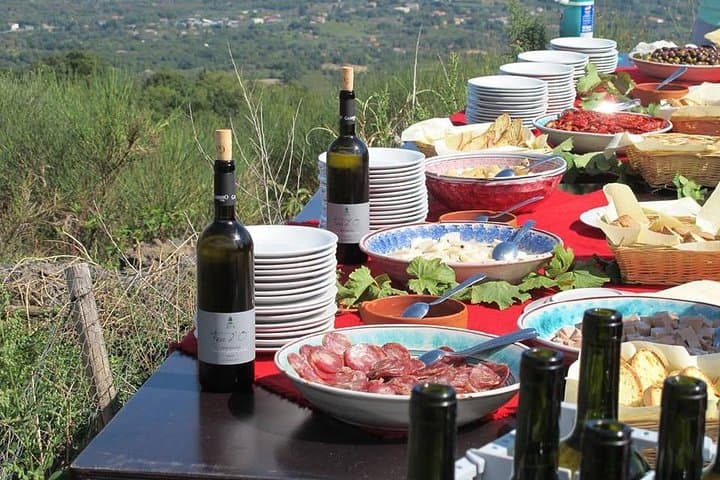
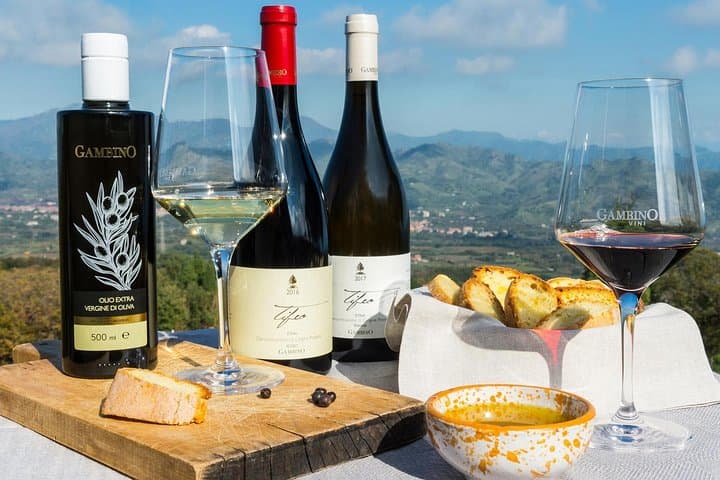
On the practical side, most of the day is road time and short walks: souvenir shops and crater rims at Rifugio Sapienza, optional cable car or 4x4 ascent to higher slopes with an Alpine guide, then a relaxed winery visit with cellar tours and a four‑glass tasting paired with a traditional lunch. Wear sturdy closed‑toe shoes, layers for wind and sun, and expect changing conditions above 1,500–2,000 m. The private format means flexible pacing and door‑to‑door pickup from Catania. Bring your camera, your curiosity, and a tolerance for sudden mountain weather — Etna invites close attention and rewards visitors with raw views and savory local food.
moderate.
6–8 hours.
Moderate fitness—comfortable with short uphill walks and standing for guided segments; not suitable for people with severe mobility limits.
No; the ascent to ~3,000 m by cable car and 4x4 with an authorized Alpine guide is optional and may incur an extra fee.
Pickup and drop‑off are provided from accommodations or the port in Catania—confirm your pickup point when booking.
Expect short walks at Rifugio Sapienza and around crater rims; most of the day is on paved roads and light trails, but uneven volcanic rock is common.
Food tastings are included, but alcoholic wine service is restricted to guests 18 and older in line with local law.
Etna has been active for hundreds of thousands of years; repeated eruptions shaped local agriculture and village construction in lava stone, while folklore personifies the mountain as “Mamma Etna.”
Volcanic soils support specialized plants and fragile habitats; visitors should stay on marked paths, avoid removing lava rocks, and follow guide instructions to minimize impact.
Prestelli Sicily Tours operates guided outdoor trips and adventures with an emphasis on safety, stewardship, and memorable experiences.
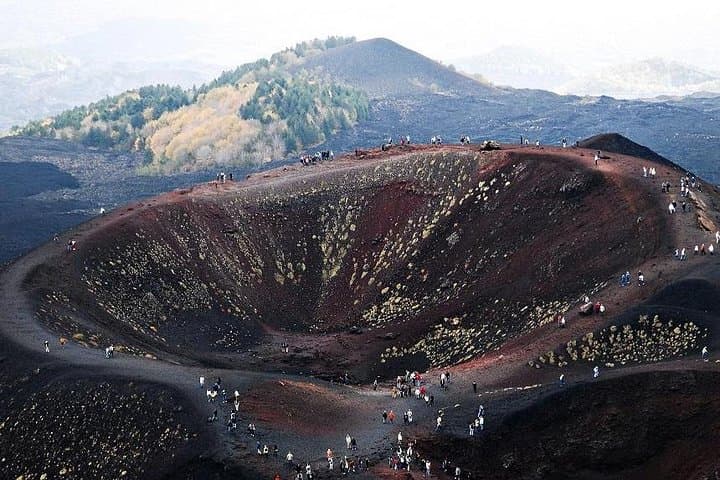
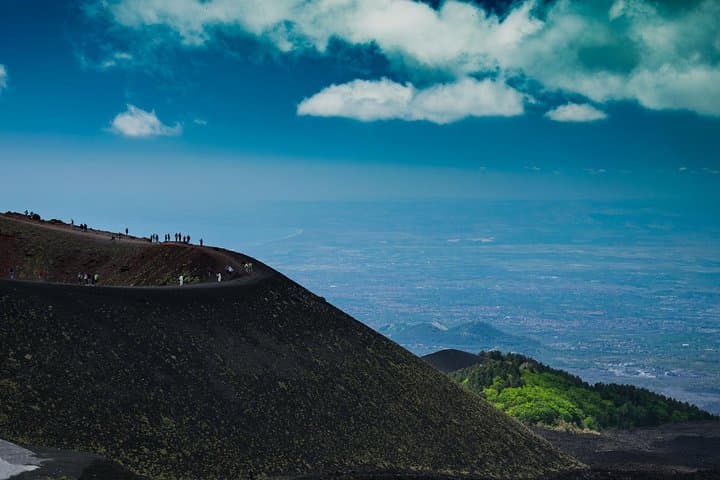
You step out of the air‑conditioned car and the mountain air on Etna cuts sharp — dry, mineral, and wind‑swept. Below, the Ionian Sea glints; above, the cone looms, its slopes patterned with black lava, vineyards, and terraced orchards. The guide closes the door and the day begins: village lanes of lava stone, citrus groves, and the slow climb to Rifugio Sapienza at about 2,000 m where the Silvestri Craters open like a map of recent fire.
You step out of the air‑conditioned car and the mountain air on Etna cuts sharp — dry, mineral, and wind‑swept. Below, the Ionian Sea glints; above, the cone looms, its slopes patterned with black lava, vineyards, and terraced orchards. The guide closes the door and the day begins: village lanes of lava stone, citrus groves, and the slow climb to Rifugio Sapienza at about 2,000 m where the Silvestri Craters open like a map of recent fire.
Geology and history here are immediate. Etna is Europe’s highest active volcano, formed by repeated eruptions that built layers of basalt and ash. Local culture mixes ancient myths — locals still call the mountain “Mamma Etna” — with shepherding, beekeeping, and viticulture that adapted to nutrient‑rich volcanic soils. Zafferana Etnea’s honey and the vineyards on the lower flanks are direct offspring of those soils.
On the practical side, most of the day is road time and short walks: souvenir shops and crater rims at Rifugio Sapienza, optional cable car or 4x4 ascent to higher slopes with an Alpine guide, then a relaxed winery visit with cellar tours and a four‑glass tasting paired with a traditional lunch. Wear sturdy closed‑toe shoes, layers for wind and sun, and expect changing conditions above 1,500–2,000 m. The private format means flexible pacing and door‑to‑door pickup from Catania. Bring your camera, your curiosity, and a tolerance for sudden mountain weather — Etna invites close attention and rewards visitors with raw views and savory local food.