THE ADVENTURE COLLECTIVE® · Independent discovery and booking for outdoor travel

Combine Mount Etna’s volcanic highlands with the cliffside charm of Taormina and the village streets of Castelmola on a private shore excursion from Catania. Expect short high-elevation walks, tailored stops, and a practical mix of geology, history and local flavors.
Combine Mount Etna’s volcanic highlands with the cliffside charm of Taormina and the village streets of Castelmola on a private shore excursion from Catania. Expect short high-elevation walks, tailored stops, and a practical mix of geology, history and local flavors.
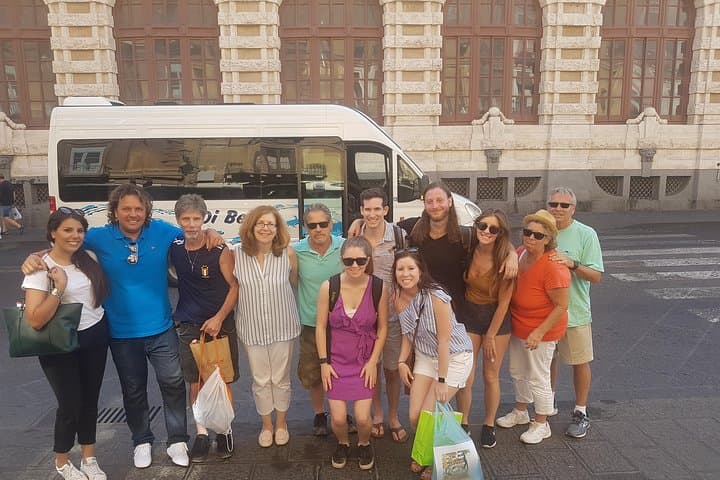
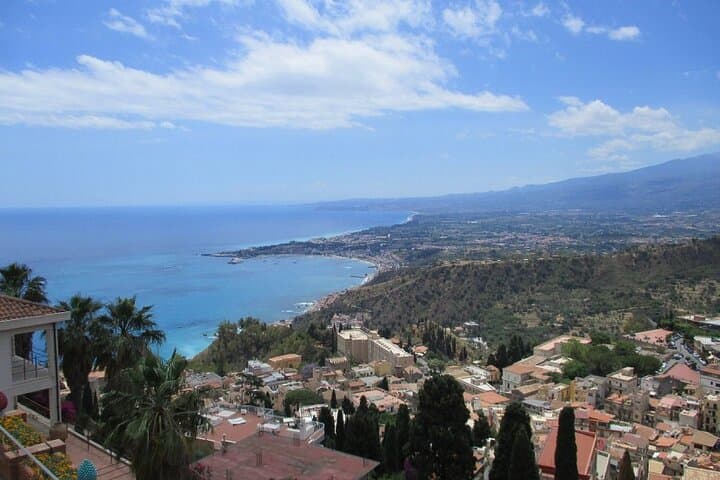
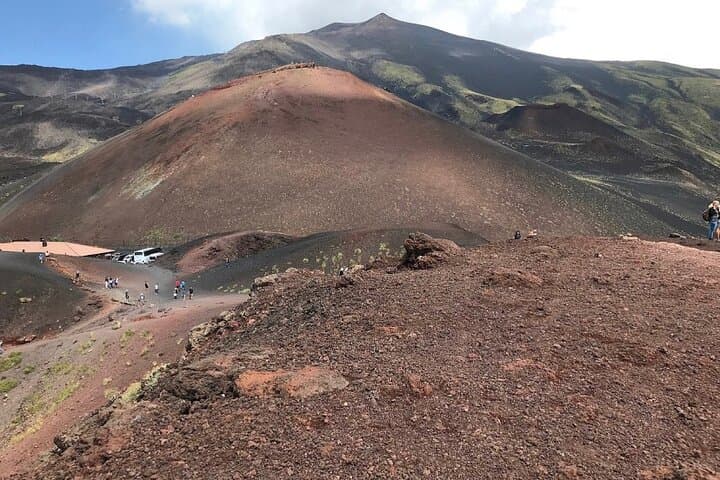
A low-slung minivan slides out of Catania’s harbor light and heads inland, the city giving way to citrus groves and the black scar of Mount Etna. By the time passengers climb toward the Silvestri craters the air has thinned and volcanic pumice crunches underfoot; the Ionian Sea glints far below, daring you to frame the coast in a single photograph.
Verified experiences and guided adventures in the surrounding area.
Operated by Sicily Best Tour · Catania, Sicily
A low-slung minivan slides out of Catania’s harbor light and heads inland, the city giving way to citrus groves and the black scar of Mount Etna. By the time passengers climb toward the Silvestri craters the air has thinned and volcanic pumice crunches underfoot; the Ionian Sea glints far below, daring you to frame the coast in a single photograph.
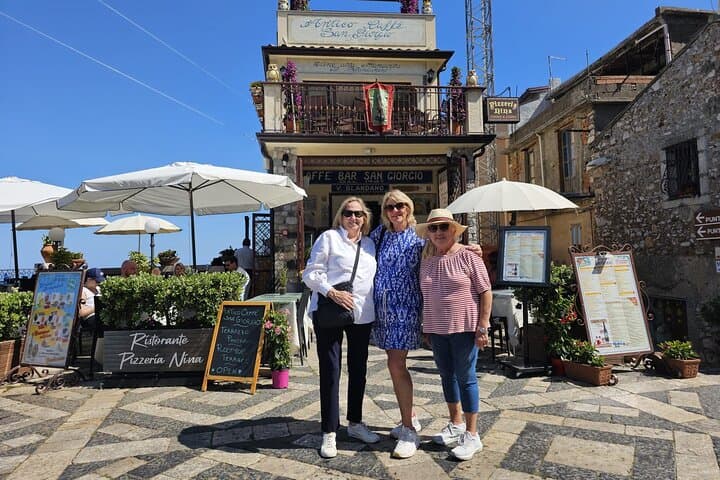
This route threads together Sicily’s volcanic geology and layered history. Mount Etna, Europe’s most active volcano, has shaped local agriculture and settlement for millennia; Taormina grew from a Greek theatre town into a cliffside destination with medieval streets; Castelmola, a hamlet above Taormina, keeps a quieter, artisanal pace and is known for almond wine and ceramics.
Visitors can expect short walks at high-elevation viewpoints, unpaved volcanic ground at the Silvestri craters, and cobbled alleys in Taormina and Castelmola. Timing is flexible — the private driver-guide tailors stops for photos, a café break, or browsing local shops. Practicalities matter: weather on Etna shifts quickly, and shaded coastal sections get hot in summer while Etna’s slopes may still hold snow in shoulder months.
Plan for 4–8 hours total, bring layered clothing, and allocate cash for small shops and tasting rooms. The experience is a compact primer on eastern Sicily’s natural power and living culture: volcanic rock, ancient streets, and the small, stubborn businesses that keep regional flavors alive.
Practical tips: ask your driver about road conditions to higher Etna points, confirm pickup time at the port, and reserve museum or theatre tickets in Taormina if you want guided access.
easy.
4–8 hours.
Suitable for most fitness levels; minimal walking required but expect uneven volcanic terrain at viewpoints.
Yes — the tour offers personal pickup from next to your ship and on-time drop-off at the end of the tour.
Admissions are not specified as included; the tour focuses on viewpoints and village visits, and paid entry (e.g., some attractions in Taormina) is at your discretion.
Walking is minimal and suitable for most; plan short, sometimes uneven walks at the Silvestri craters and through Taormina’s streets.
Infants can ride in strollers and are required to sit on laps; cobbled areas may be less convenient for full-size strollers.
Taormina began as a Greek settlement and developed through Roman and medieval periods; Etna’s centuries of eruptions have repeatedly reshaped local towns and soils that support orchards and vineyards.
Mount Etna’s fragile soils and recent lava fields recover slowly; stick to paths, avoid removing volcanic material, and support local guides who follow access rules to reduce erosion.
Sicily Best Tour operates guided outdoor trips and adventures with an emphasis on safety, stewardship, and memorable experiences.
A low-slung minivan slides out of Catania’s harbor light and heads inland, the city giving way to citrus groves and the black scar of Mount Etna. By the time passengers climb toward the Silvestri craters the air has thinned and volcanic pumice crunches underfoot; the Ionian Sea glints far below, daring you to frame the coast in a single photograph.
A low-slung minivan slides out of Catania’s harbor light and heads inland, the city giving way to citrus groves and the black scar of Mount Etna. By the time passengers climb toward the Silvestri craters the air has thinned and volcanic pumice crunches underfoot; the Ionian Sea glints far below, daring you to frame the coast in a single photograph.
This route threads together Sicily’s volcanic geology and layered history. Mount Etna, Europe’s most active volcano, has shaped local agriculture and settlement for millennia; Taormina grew from a Greek theatre town into a cliffside destination with medieval streets; Castelmola, a hamlet above Taormina, keeps a quieter, artisanal pace and is known for almond wine and ceramics.
Visitors can expect short walks at high-elevation viewpoints, unpaved volcanic ground at the Silvestri craters, and cobbled alleys in Taormina and Castelmola. Timing is flexible — the private driver-guide tailors stops for photos, a café break, or browsing local shops. Practicalities matter: weather on Etna shifts quickly, and shaded coastal sections get hot in summer while Etna’s slopes may still hold snow in shoulder months.
Plan for 4–8 hours total, bring layered clothing, and allocate cash for small shops and tasting rooms. The experience is a compact primer on eastern Sicily’s natural power and living culture: volcanic rock, ancient streets, and the small, stubborn businesses that keep regional flavors alive.
Practical tips: ask your driver about road conditions to higher Etna points, confirm pickup time at the port, and reserve museum or theatre tickets in Taormina if you want guided access.