THE ADVENTURE COLLECTIVE® · Independent discovery and booking for outdoor travel

Stand above the Gulf of Catania on a private 2,000 m Etna excursion that combines short volcanic hikes, a lava tube exploration and a farm tasting in Zafferana Etnea. Tailored difficulty and helmeted cave access make this an accessible yet adventurous day trip.
Stand above the Gulf of Catania on a private 2,000 m Etna excursion that combines short volcanic hikes, a lava tube exploration and a farm tasting in Zafferana Etnea. Tailored difficulty and helmeted cave access make this an accessible yet adventurous day trip.
You arrive to wind and ash-scented air at 2,000 meters on Etna’s southern flank, where black hummocks of cooled lava cut the horizon and a chain of small craters stares back at the sea. The guide leads you across fractured basalt toward the Silvestri Craters; a short climb puts the Gulf of Catania at your feet and a panorama of recent flows that still look raw and mobile.
Verified experiences and guided adventures in the surrounding area.
Operated by Omar Orlando · Catania, Sicily
You arrive to wind and ash-scented air at 2,000 meters on Etna’s southern flank, where black hummocks of cooled lava cut the horizon and a chain of small craters stares back at the sea. The guide leads you across fractured basalt toward the Silvestri Craters; a short climb puts the Gulf of Catania at your feet and a panorama of recent flows that still look raw and mobile.
Geology and history sit side-by-side here: the Silvestri Craters formed in 1892, while the nearby ribbons of lava trace the 2001–2003 eruptions. The landscape is actively shaped by steam vents and loose basalt — expect uneven footing and a sense that the mountain is alive. Culturally, the slopes support a patchwork of farms producing honey, olive oil and Etna wines; visiting a small producer in Zafferana Etnea connects volcanic soil to what you taste on the plate.
Practical guidance: wear sturdy boots with good tread, layer for wind and rapid temperature change, and bring a headlamp for the lava tube (helmets and torches provided). The guide sets the pace and can tailor the hike difficulty; allow 4–6 hours including transfer, tasting and the cave visit. Hydrate and acclimate—2000 m can make breath come quicker than at sea level. Photography works best in morning or late afternoon light when shadows sculpt the lava fields. Respect marked paths, follow your guide in caves, and budget time for the tasting stop in Zafferana Etnea to round out a day that is part geology lesson, part rugged hike, part local flavor.
moderate.
4–6 hours.
Moderate fitness; able to handle uneven terrain, short steep sections, and 3–6 hours of activity including transfers.
The operator notes the tour is suitable for a range of fitness levels; difficulty can be adjusted, but cave entry and rough footing may not suit very young children or those with mobility issues.
Transfers from Catania, an English-speaking guide, helmets and torches for cave visits, and a honey/olive oil tasting at a local producer are included per the listing.
Full refund is available if you cancel at least 24 hours before departure; same-day cancellations are not refundable.
Yes — the guide chooses the trek difficulty and may alter plans for safety depending on weather and volcanic conditions.
Silvestri Craters date to 1892 and sit among more recent flows from 2001–2003; Etna’s frequent eruptions shaped local settlement and agriculture.
Volcanic soils regenerate slowly; stick to marked trails, avoid removing rocks or plants, and support small local producers who practice sustainable land use.
Omar Orlando operates guided outdoor trips and adventures with an emphasis on safety, stewardship, and memorable experiences.
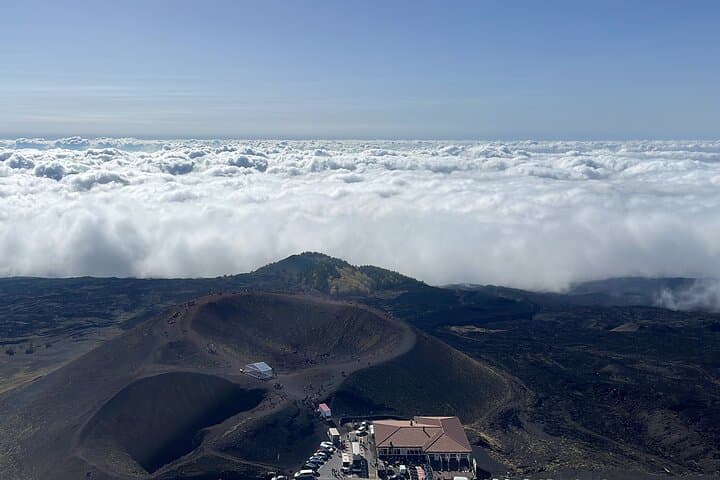
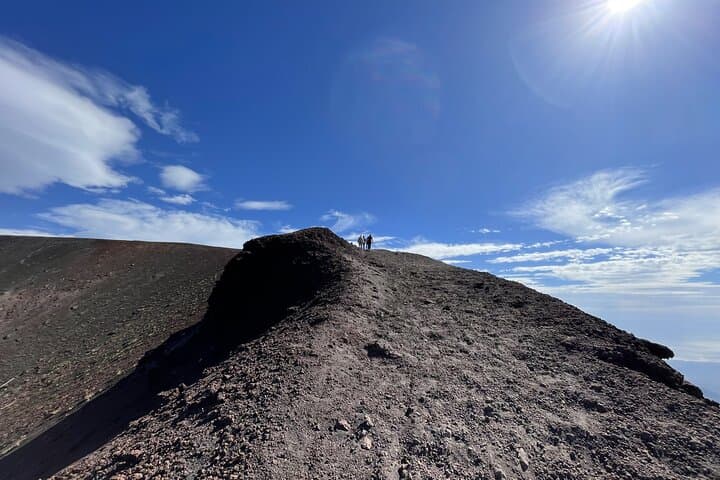
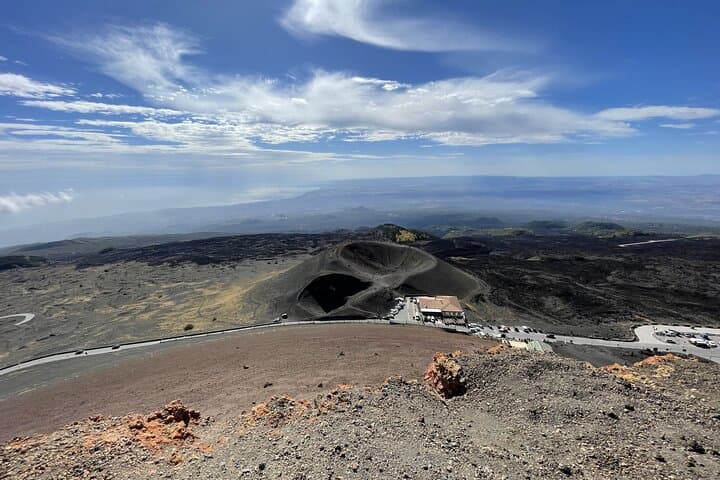
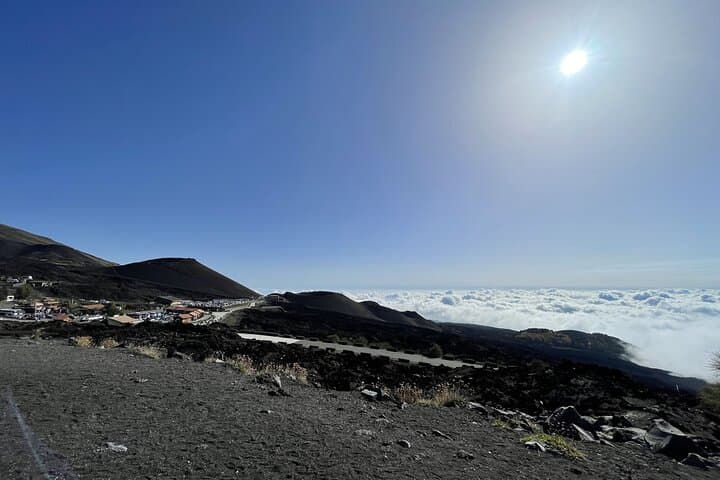
You arrive to wind and ash-scented air at 2,000 meters on Etna’s southern flank, where black hummocks of cooled lava cut the horizon and a chain of small craters stares back at the sea. The guide leads you across fractured basalt toward the Silvestri Craters; a short climb puts the Gulf of Catania at your feet and a panorama of recent flows that still look raw and mobile.
You arrive to wind and ash-scented air at 2,000 meters on Etna’s southern flank, where black hummocks of cooled lava cut the horizon and a chain of small craters stares back at the sea. The guide leads you across fractured basalt toward the Silvestri Craters; a short climb puts the Gulf of Catania at your feet and a panorama of recent flows that still look raw and mobile.
Geology and history sit side-by-side here: the Silvestri Craters formed in 1892, while the nearby ribbons of lava trace the 2001–2003 eruptions. The landscape is actively shaped by steam vents and loose basalt — expect uneven footing and a sense that the mountain is alive. Culturally, the slopes support a patchwork of farms producing honey, olive oil and Etna wines; visiting a small producer in Zafferana Etnea connects volcanic soil to what you taste on the plate.
Practical guidance: wear sturdy boots with good tread, layer for wind and rapid temperature change, and bring a headlamp for the lava tube (helmets and torches provided). The guide sets the pace and can tailor the hike difficulty; allow 4–6 hours including transfer, tasting and the cave visit. Hydrate and acclimate—2000 m can make breath come quicker than at sea level. Photography works best in morning or late afternoon light when shadows sculpt the lava fields. Respect marked paths, follow your guide in caves, and budget time for the tasting stop in Zafferana Etnea to round out a day that is part geology lesson, part rugged hike, part local flavor.