THE ADVENTURE COLLECTIVE® · Independent discovery and booking for outdoor travel

Escape Marrakech for a full-day private drive to Essaouira: sea-swept ramparts, a lively fishing port and women's argan cooperatives. This accessible day trip blends cultural stops with time to savor grilled seafood by the quay.
Escape Marrakech for a full-day private drive to Essaouira: sea-swept ramparts, a lively fishing port and women's argan cooperatives. This accessible day trip blends cultural stops with time to savor grilled seafood by the quay.
The road eases out of Marrakech and, after an hour of plains and argan-dotted hills, the Atlantic wind arrives ahead of the town—brisk, salty and insistent. Arriving in Essaouira, travelers step off the minivan into wind-stiffened air, gull calls and the clatter of fishing boats against the harbor quay. The 18th-century ramparts curve like old guardians, framing the medina's low white-and-blue houses and the fishermen pulling nets under the watch of weathered cannons.
Verified experiences and guided adventures in the surrounding area.
Operated by Atlas Excursion · Essaouira, Marrakesh-Safi
The road eases out of Marrakech and, after an hour of plains and argan-dotted hills, the Atlantic wind arrives ahead of the town—brisk, salty and insistent. Arriving in Essaouira, travelers step off the minivan into wind-stiffened air, gull calls and the clatter of fishing boats against the harbor quay. The 18th-century ramparts curve like old guardians, framing the medina's low white-and-blue houses and the fishermen pulling nets under the watch of weathered cannons.
Essaouira’s layout reflects Portuguese, Berber and Moroccan layers—stone ramparts, a compact walled medina and a working harbor that still lands daily catches. Geologically the coast is folded sedimentary rock; the consistent trade winds shape dunes and keep skies clear, making seafaring and wind sports long-established local trades. Culture here is tangible: argan cooperatives run by women, lively crafts markets, and seafood grills sending steam into the breeze.
Practically, expect a full day: a three-hour drive each way from Marrakech, a guided stroll through the medina and time at the port and an argan cooperative. Cobbled streets demand sturdy shoes; the wind makes a light jacket essential even in summer. Cash is useful for market purchases and seaside grills. Plan for a midday seafood meal at the harbor, keep hydration handy, and leave room in the afternoon for unhurried browsing before the return to Marrakech. The trip combines coastal atmosphere, practical cultural encounters and accessible outdoor walking for most travelers.
easy.
10–12 hours.
Suitable for travelers with average fitness; involves several hours of walking on uneven cobbles and short climbs up ramparts.
Expect roughly three hours each way depending on traffic and stops, making this a 10–12 hour day trip overall.
Meals are typically not included; you’ll have time to choose and pay for fresh grilled seafood at the harbor restaurants.
Yes—the tour is described as easy with door-to-door pickup and requires moderate walking; arrange infant seats if needed.
Many itineraries include an optional stop at a women-run argan cooperative to see oil production and buy locally made products.
Essaouira’s fortified medina dates to the 18th century with earlier Portuguese fortifications; its port has long been a regional fishing and trade hub connecting Morocco to the Atlantic.
Argan forests are protected and many cooperatives support sustainable harvests; visitors can minimize impact by choosing certified workshops and avoiding plastic waste at the harbor.
Atlas Excursion operates guided outdoor trips and adventures with an emphasis on safety, stewardship, and memorable experiences.
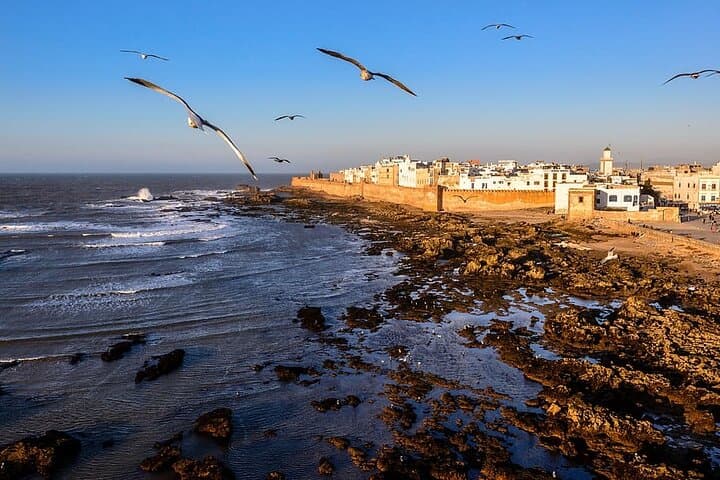
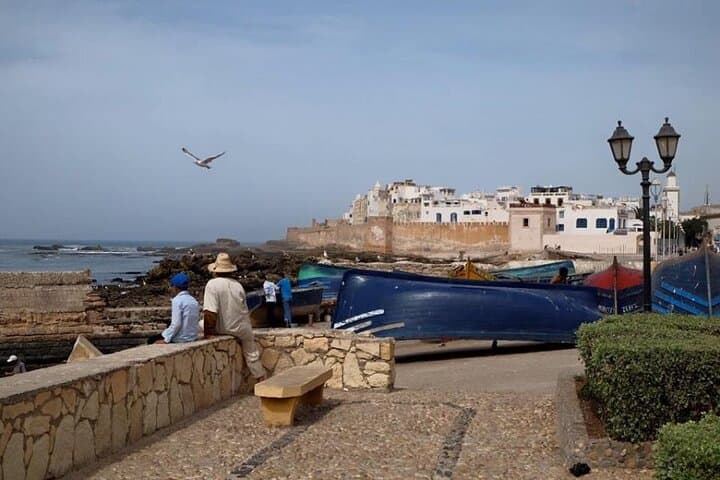
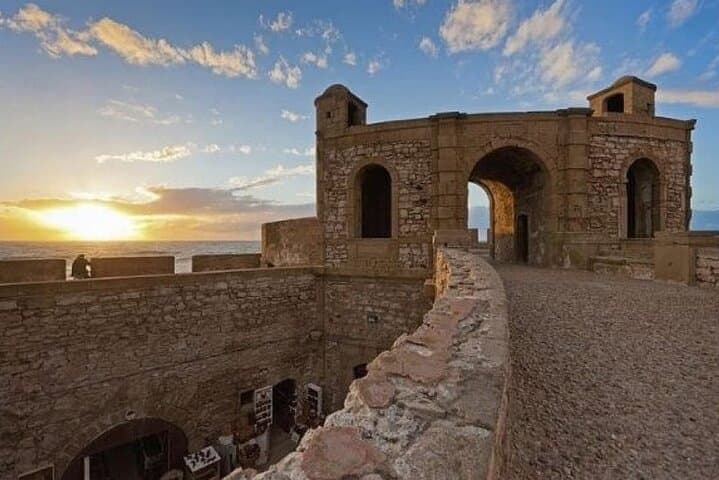
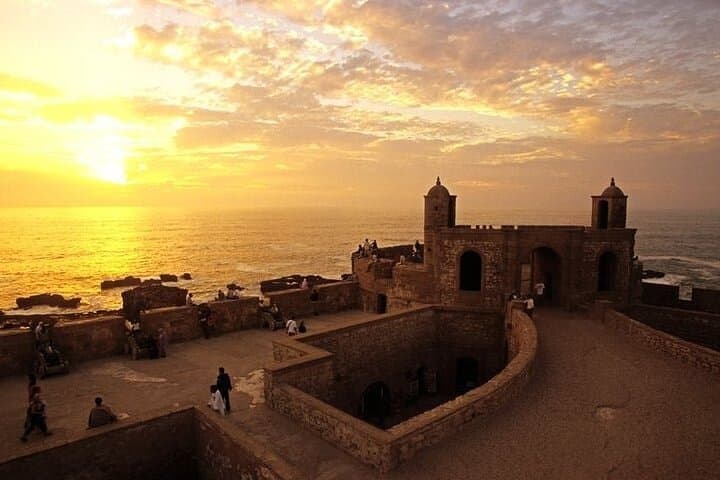
The road eases out of Marrakech and, after an hour of plains and argan-dotted hills, the Atlantic wind arrives ahead of the town—brisk, salty and insistent. Arriving in Essaouira, travelers step off the minivan into wind-stiffened air, gull calls and the clatter of fishing boats against the harbor quay. The 18th-century ramparts curve like old guardians, framing the medina's low white-and-blue houses and the fishermen pulling nets under the watch of weathered cannons.
The road eases out of Marrakech and, after an hour of plains and argan-dotted hills, the Atlantic wind arrives ahead of the town—brisk, salty and insistent. Arriving in Essaouira, travelers step off the minivan into wind-stiffened air, gull calls and the clatter of fishing boats against the harbor quay. The 18th-century ramparts curve like old guardians, framing the medina's low white-and-blue houses and the fishermen pulling nets under the watch of weathered cannons.
Essaouira’s layout reflects Portuguese, Berber and Moroccan layers—stone ramparts, a compact walled medina and a working harbor that still lands daily catches. Geologically the coast is folded sedimentary rock; the consistent trade winds shape dunes and keep skies clear, making seafaring and wind sports long-established local trades. Culture here is tangible: argan cooperatives run by women, lively crafts markets, and seafood grills sending steam into the breeze.
Practically, expect a full day: a three-hour drive each way from Marrakech, a guided stroll through the medina and time at the port and an argan cooperative. Cobbled streets demand sturdy shoes; the wind makes a light jacket essential even in summer. Cash is useful for market purchases and seaside grills. Plan for a midday seafood meal at the harbor, keep hydration handy, and leave room in the afternoon for unhurried browsing before the return to Marrakech. The trip combines coastal atmosphere, practical cultural encounters and accessible outdoor walking for most travelers.