THE ADVENTURE COLLECTIVE® · Independent discovery and booking for outdoor travel

Walk Ephesus with a private guide, savor a Turkish lunch, and opt for a traditional hammam before your ship sails. This shore excursion blends Roman ruins, religious sites, and practical logistics for cruisers.
Walk Ephesus with a private guide, savor a Turkish lunch, and opt for a traditional hammam before your ship sails. This shore excursion blends Roman ruins, religious sites, and practical logistics for cruisers.
You step off the ship into the bright harbor of Kuşadası and the Aegean breeze already nudges you inland toward a city frozen between marble and memory.
Verified experiences and guided adventures in the surrounding area.
Operated by SeaDrop Travel · Selçuk, İzmir Province
You step off the ship into the bright harbor of Kuşadası and the Aegean breeze already nudges you inland toward a city frozen between marble and memory.
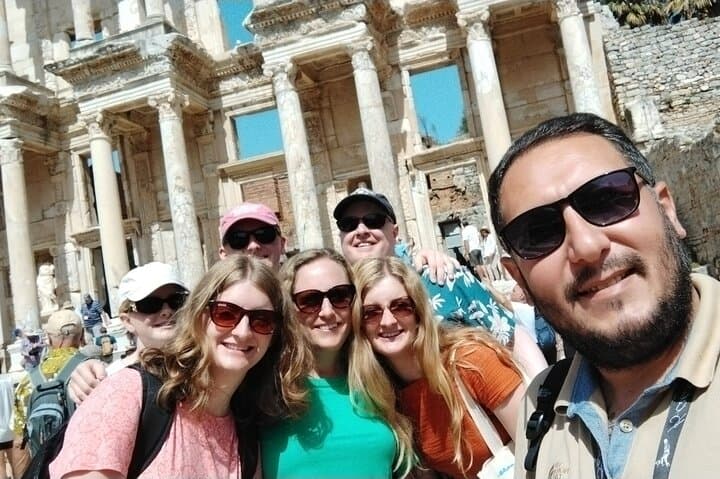
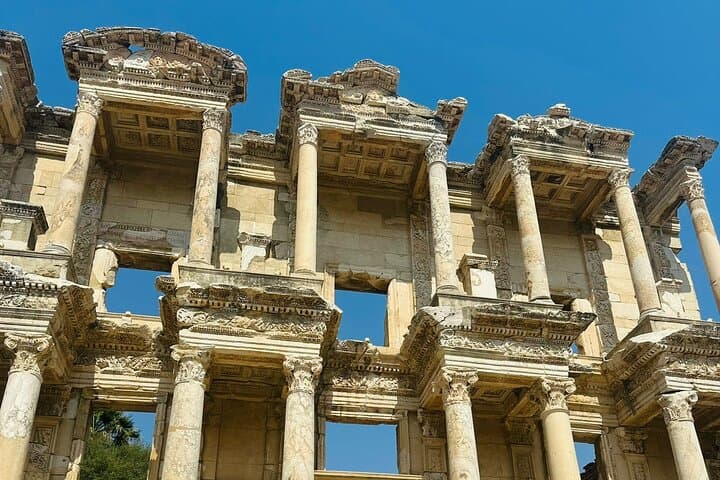
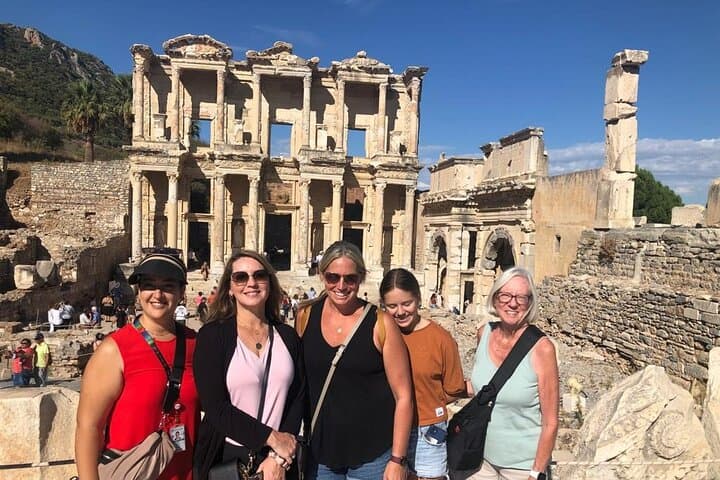
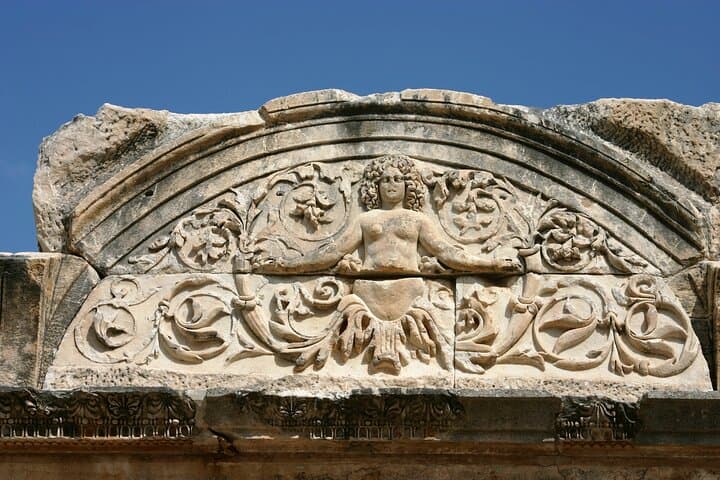
A private guide leads you along wide marble streets where carved capitals still keep their stories. At the Library of Celsus the stone reads like a ledger of Empire: inscriptions, arches, and a façade that frames the sky. The Great Theatre looms, its tiers calling out the rise and fall of orators and crowds. Nearby, the single standing column of the Temple of Artemis hints at a lost scale that once dominated the plain.
Geology here is subtle — limestone terraces and alluvial plains carved by streams that once fed the harbour, now silted away; the land keeps the ruins high and dry. Culture intersects visibly: Roman civic planning overlapped earlier Ionian settlements and later Christian pilgrim routes, creating layers visitors actually walk through. The House of the Virgin Mary in the Aladağ foothills adds a quieter, spiritual note to the day.
Practically, expect a lot of walking on uneven stone with intermittent shade. The private format gives time for questions and photography; lunch at a local restaurant will introduce simple regional dishes. Add the optional hammam to ease tired muscles before your ship’s departure. Bring water, sunscreen, and shoes with grip — the stones are beautiful and unforgiving. With on-time return to port guaranteed, this is a cultural day that reads like a field guide rather than a sightseeing checklist.
easy.
6–7 hours.
Suitable for travelers who can walk 2–3 miles on uneven ground and climb short stair sections; not strenuous but requires mobility.
Admission is not included by default; your guide will advise on entry tickets and can arrange them for you, depending on the operator’s policy.
The drive is typically 20–30 minutes depending on traffic and the exact pickup point at the port.
Yes — the hammam is designed to relax muscles and clean off dust; it’s a traditional treatment that lasts about 45–60 minutes and can be added before returning to the ship.
The tour is labeled easy, but Ephesus has uneven stone surfaces and stair sections; travelers with significant mobility limitations should discuss options with the operator in advance.
Ephesus was a major Ionian port that later became a prosperous Roman metropolis and an early Christian center; its ruins reflect centuries of political, religious, and commercial change.
Heavy visitation has accelerated wear on marble and mosaics; staying on designated walkways, following guide instructions, and supporting licensed local conservation efforts helps protect the site.
SeaDrop Travel operates guided outdoor trips and adventures with an emphasis on safety, stewardship, and memorable experiences.
You step off the ship into the bright harbor of Kuşadası and the Aegean breeze already nudges you inland toward a city frozen between marble and memory.
You step off the ship into the bright harbor of Kuşadası and the Aegean breeze already nudges you inland toward a city frozen between marble and memory.
A private guide leads you along wide marble streets where carved capitals still keep their stories. At the Library of Celsus the stone reads like a ledger of Empire: inscriptions, arches, and a façade that frames the sky. The Great Theatre looms, its tiers calling out the rise and fall of orators and crowds. Nearby, the single standing column of the Temple of Artemis hints at a lost scale that once dominated the plain.
Geology here is subtle — limestone terraces and alluvial plains carved by streams that once fed the harbour, now silted away; the land keeps the ruins high and dry. Culture intersects visibly: Roman civic planning overlapped earlier Ionian settlements and later Christian pilgrim routes, creating layers visitors actually walk through. The House of the Virgin Mary in the Aladağ foothills adds a quieter, spiritual note to the day.
Practically, expect a lot of walking on uneven stone with intermittent shade. The private format gives time for questions and photography; lunch at a local restaurant will introduce simple regional dishes. Add the optional hammam to ease tired muscles before your ship’s departure. Bring water, sunscreen, and shoes with grip — the stones are beautiful and unforgiving. With on-time return to port guaranteed, this is a cultural day that reads like a field guide rather than a sightseeing checklist.