THE ADVENTURE COLLECTIVE® · Independent discovery and booking for outdoor travel

Walk Roman avenues, stand beneath the Library of Celsus, then trade ruins for the narrow lanes and fruit wines of Şirince. This private day tour from Izmir pairs archaeological highlights with an authentic village visit and a stop at the House of the Virgin Mary.
Walk Roman avenues, stand beneath the Library of Celsus, then trade ruins for the narrow lanes and fruit wines of Şirince. This private day tour from Izmir pairs archaeological highlights with an authentic village visit and a stop at the House of the Virgin Mary.
You step out of the van with Aegean light on your shoulders and the stone-paved street of Ephesus opening ahead—marble glints where Roman footsteps once fell. The Library of Celsus rises like a carved face from the past; the Great Theatre yawns down toward the olive-dotted plain. The air smells of dust, citrus, and sea-borne wind that has shaped these ruins for millennia.
Verified experiences and guided adventures in the surrounding area.
Operated by Ephesus Tours · Selçuk, İzmir
You step out of the van with Aegean light on your shoulders and the stone-paved street of Ephesus opening ahead—marble glints where Roman footsteps once fell. The Library of Celsus rises like a carved face from the past; the Great Theatre yawns down toward the olive-dotted plain. The air smells of dust, citrus, and sea-borne wind that has shaped these ruins for millennia.
Ephesus grew from an Ionian port into a Roman metropolis, its prosperity written in temples, baths, and an agora that still shows the city’s grid. The Temple of Artemis—once one of the Seven Wonders—survives mainly in columns and stories, a reminder of shifting coastlines and human ambition. Geologically the site sits on alluvial terraces of the Küçükmenderes plain; centuries of sediment and seismic movement hid and preserved the city until modern excavations revealed its layered timeline.
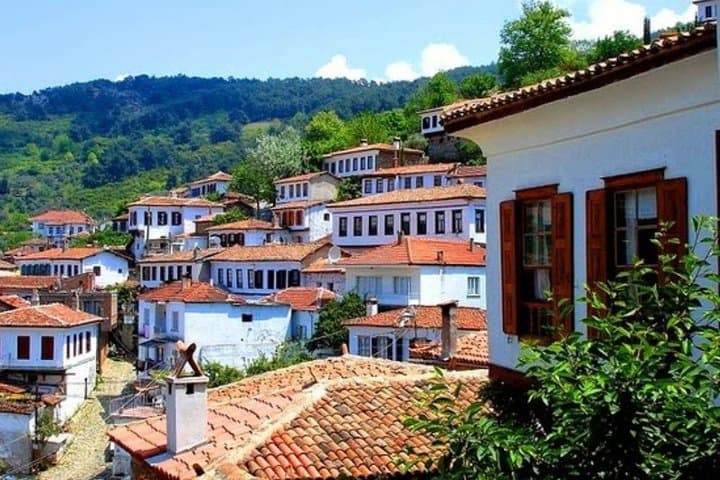
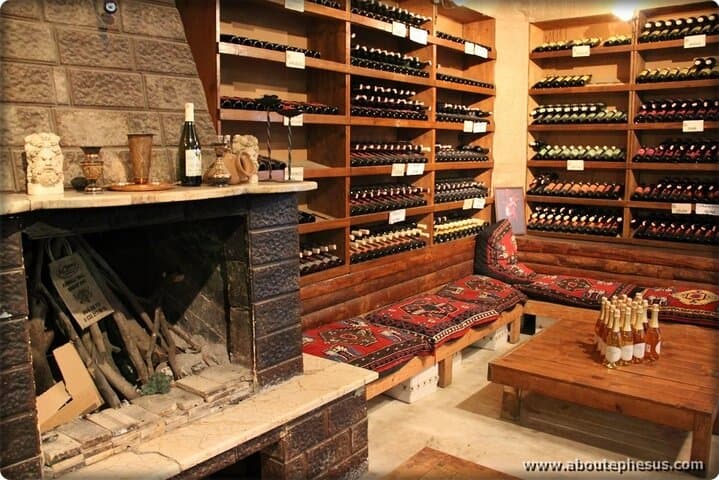
After the ruins, Sirince village offers a quieter pace: steep lanes, restored Greek-style houses, and family-run wineries where local fruit wines and olive oil are made. The day finishes at the House of the Virgin Mary, a simple stone chapel that draws both Christian and Muslim visitors.
Practicalities: expect roughly a six-hour private excursion with moderate walking on uneven, sometimes stepped surfaces. Admission fees are commonly separate; wear sturdy shoes, sun protection, and bring water. Mornings are cooler and less crowded; mid-summer brings strong sun. The tour is adaptable for families and those wanting a guided, intimate look at both world-class archaeology and sincere village life.
moderate.
6 hours.
Suitable for travelers who can walk 2–4 miles on uneven surfaces and climb several flights of stairs; not strenuous but requires steady footing.
Admission to Ephesus and some sites like the Library or House of the Virgin Mary are typically not included—bring cash or a card to cover tickets.
Some parts of the tour (modern pathways around the visitor center and Şirince) are accessible, but many archaeological areas have uneven stones and steps that limit full wheelchair access.
Expect 2–4 miles of walking at a relaxed pace across uneven terrain and stairways over the course of the six-hour tour.
Vegetarian options are available if requested in advance; confirm dietary needs when booking so the guide can arrange appropriate stops or meals.
Ephesus was a major Ionian port and later a Roman capital; its monumental architecture reflects centuries of trade, religion, and rebuilding following earthquakes.
Archaeological management balances public access with preservation—stick to pathways, avoid climbing ruins, and support local businesses that use sustainable practices.
Ephesus Tours operates guided outdoor trips and adventures with an emphasis on safety, stewardship, and memorable experiences.
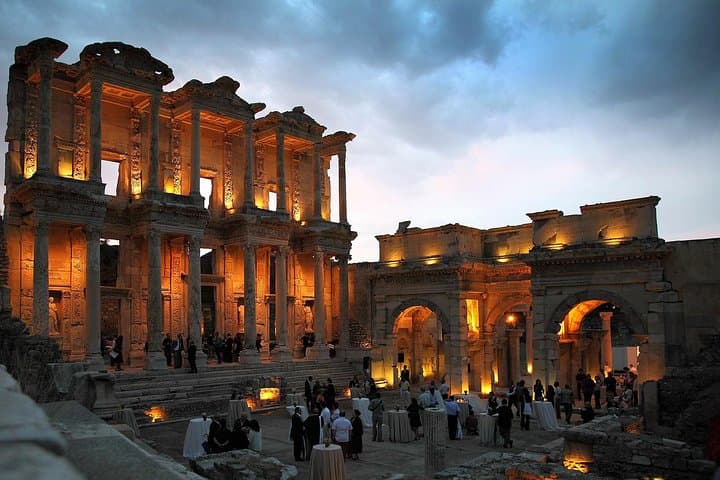
You step out of the van with Aegean light on your shoulders and the stone-paved street of Ephesus opening ahead—marble glints where Roman footsteps once fell. The Library of Celsus rises like a carved face from the past; the Great Theatre yawns down toward the olive-dotted plain. The air smells of dust, citrus, and sea-borne wind that has shaped these ruins for millennia.
You step out of the van with Aegean light on your shoulders and the stone-paved street of Ephesus opening ahead—marble glints where Roman footsteps once fell. The Library of Celsus rises like a carved face from the past; the Great Theatre yawns down toward the olive-dotted plain. The air smells of dust, citrus, and sea-borne wind that has shaped these ruins for millennia.
Ephesus grew from an Ionian port into a Roman metropolis, its prosperity written in temples, baths, and an agora that still shows the city’s grid. The Temple of Artemis—once one of the Seven Wonders—survives mainly in columns and stories, a reminder of shifting coastlines and human ambition. Geologically the site sits on alluvial terraces of the Küçükmenderes plain; centuries of sediment and seismic movement hid and preserved the city until modern excavations revealed its layered timeline.
After the ruins, Sirince village offers a quieter pace: steep lanes, restored Greek-style houses, and family-run wineries where local fruit wines and olive oil are made. The day finishes at the House of the Virgin Mary, a simple stone chapel that draws both Christian and Muslim visitors.
Practicalities: expect roughly a six-hour private excursion with moderate walking on uneven, sometimes stepped surfaces. Admission fees are commonly separate; wear sturdy shoes, sun protection, and bring water. Mornings are cooler and less crowded; mid-summer brings strong sun. The tour is adaptable for families and those wanting a guided, intimate look at both world-class archaeology and sincere village life.