THE ADVENTURE COLLECTIVE® · Independent discovery and booking for outdoor travel

Walk the marble streets of Ephesus and visit the quiet House of the Virgin Mary on this private 5-hour shore excursion from Selçuk. Expect uneven surfaces, archaeological highlights, and a mix of ancient ruins and local culture.
Walk the marble streets of Ephesus and visit the quiet House of the Virgin Mary on this private 5-hour shore excursion from Selçuk. Expect uneven surfaces, archaeological highlights, and a mix of ancient ruins and local culture.
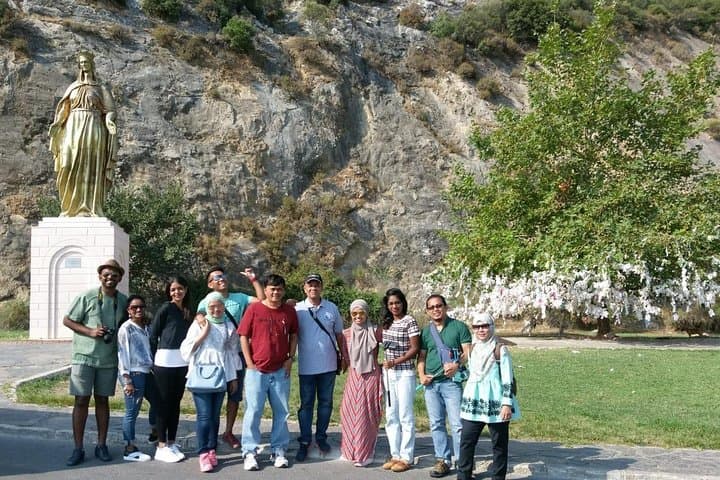
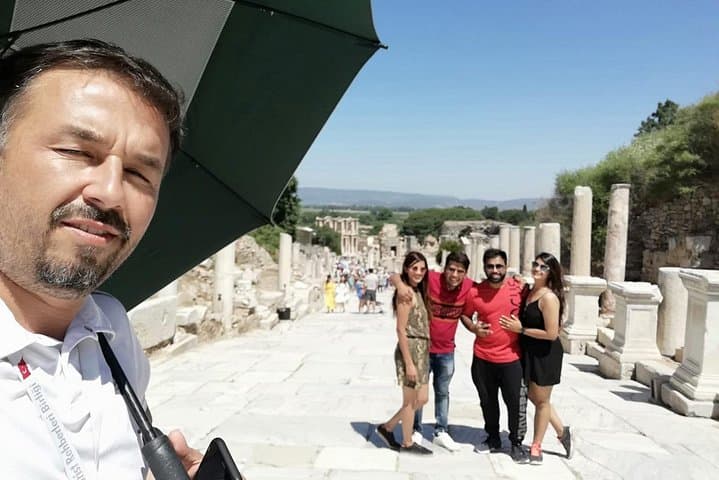
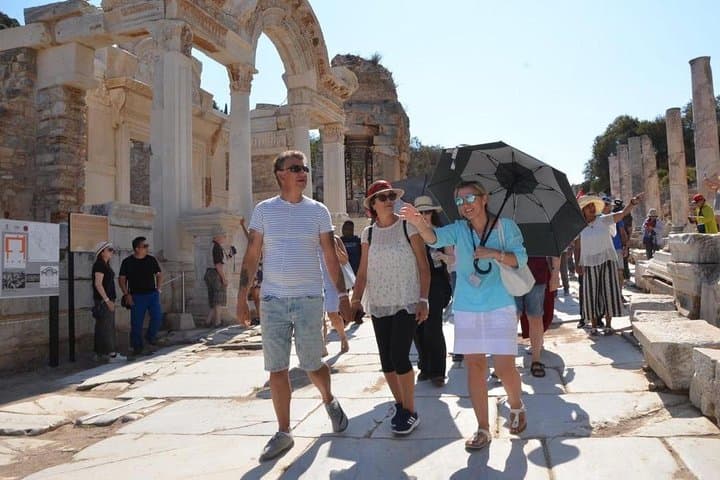
A low sun cuts across Marble Street as your guide leads a small group beneath the shadow of the Great Theater — stones that once watched gladiators and citizens now echo with footsteps and distant gulls from the Aegean. Later, a short drive up a wooded slope brings a hush at the House of the Virgin Mary, where narrow lanes and cypresses shape a quiet pilgrimage site.
Verified experiences and guided adventures in the surrounding area.
Operated by Neopolis Travel · Selçuk, İzmir Province
A low sun cuts across Marble Street as your guide leads a small group beneath the shadow of the Great Theater — stones that once watched gladiators and citizens now echo with footsteps and distant gulls from the Aegean. Later, a short drive up a wooded slope brings a hush at the House of the Virgin Mary, where narrow lanes and cypresses shape a quiet pilgrimage site.
Ephesus grew from a Bronze Age settlement into a Greco-Roman trade hub, its skyline defined by civic monuments like the Celsus Library and the colonnaded Curetes Street. The Temple of Artemis once ranked among the ancient world’s Seven Wonders; today only foundations and scattered columns remain, speaking to earthquakes and centuries of reuse. The geology here — alluvial plains rising into low limestone hills — made the city both fertile and vulnerable.
Selçuk still carries Ottoman and Byzantine traces: a small bazaar, Isabey Mosque, and local craftsmen selling embroidered textiles and olive oil. Expect a mix of archaeological context and living local culture on this private shore excursion.
Practical guidance: the tour runs about five hours, with moderate walking over uneven marble, steps and packed dirt; bring sturdy shoes, sun protection and cash for entrance fees (not included). Most groups start early to avoid midday heat and cruise crowds. Respect signs at excavation sites and the shrine; photography is allowed in many areas but follow guide directions. Hydrate frequently and pace yourself on stairs — Ephesus rewards deliberate attention to detail as much as speed.
moderate.
5 hours.
Moderate fitness — able to walk 2–4 miles over uneven surfaces and climb stairs repeatedly.
No — entrance fees to Ephesus and the House of the Virgin Mary are paid on-site by participants.
The excursion is approximately five hours with moderate walking across uneven marble streets, stairs and short inclines.
The site has slopes and steps; accessibility is limited — contact the operator in advance to discuss alternatives or assistance.
Yes — the tour includes round-trip transfer from the port; you’ll provide pickup details at booking for exact meeting arrangements.
Ephesus was a major Ionian port and later a Roman provincial capital; its Celsus Library and theater reflect a civic life centered on trade, philosophy and religion. The House of the Virgin Mary became a Christian pilgrimage site after 19th-century visions linked Mary to the location.
Archaeological preservation is ongoing; visitors should stay on marked paths, avoid climbing ruins and support local conservation efforts by using marked facilities and minimizing waste.
Neopolis Travel operates guided outdoor trips and adventures with an emphasis on safety, stewardship, and memorable experiences.
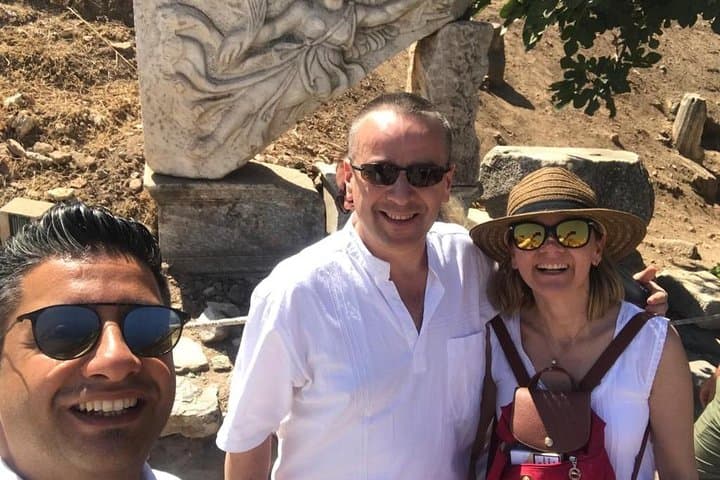
A low sun cuts across Marble Street as your guide leads a small group beneath the shadow of the Great Theater — stones that once watched gladiators and citizens now echo with footsteps and distant gulls from the Aegean. Later, a short drive up a wooded slope brings a hush at the House of the Virgin Mary, where narrow lanes and cypresses shape a quiet pilgrimage site.
A low sun cuts across Marble Street as your guide leads a small group beneath the shadow of the Great Theater — stones that once watched gladiators and citizens now echo with footsteps and distant gulls from the Aegean. Later, a short drive up a wooded slope brings a hush at the House of the Virgin Mary, where narrow lanes and cypresses shape a quiet pilgrimage site.
Ephesus grew from a Bronze Age settlement into a Greco-Roman trade hub, its skyline defined by civic monuments like the Celsus Library and the colonnaded Curetes Street. The Temple of Artemis once ranked among the ancient world’s Seven Wonders; today only foundations and scattered columns remain, speaking to earthquakes and centuries of reuse. The geology here — alluvial plains rising into low limestone hills — made the city both fertile and vulnerable.
Selçuk still carries Ottoman and Byzantine traces: a small bazaar, Isabey Mosque, and local craftsmen selling embroidered textiles and olive oil. Expect a mix of archaeological context and living local culture on this private shore excursion.
Practical guidance: the tour runs about five hours, with moderate walking over uneven marble, steps and packed dirt; bring sturdy shoes, sun protection and cash for entrance fees (not included). Most groups start early to avoid midday heat and cruise crowds. Respect signs at excavation sites and the shrine; photography is allowed in many areas but follow guide directions. Hydrate frequently and pace yourself on stairs — Ephesus rewards deliberate attention to detail as much as speed.