THE ADVENTURE COLLECTIVE® · Independent discovery and booking for outdoor travel

Explore Ephesus’s marble streets and iconic monuments in a private half-day tour from Kuşadası, then meet local artisans at pottery, carpet, and leather workshops. Ideal for cruise passengers seeking history paired with curated shopping and a countryside lunch.
Explore Ephesus’s marble streets and iconic monuments in a private half-day tour from Kuşadası, then meet local artisans at pottery, carpet, and leather workshops. Ideal for cruise passengers seeking history paired with curated shopping and a countryside lunch.
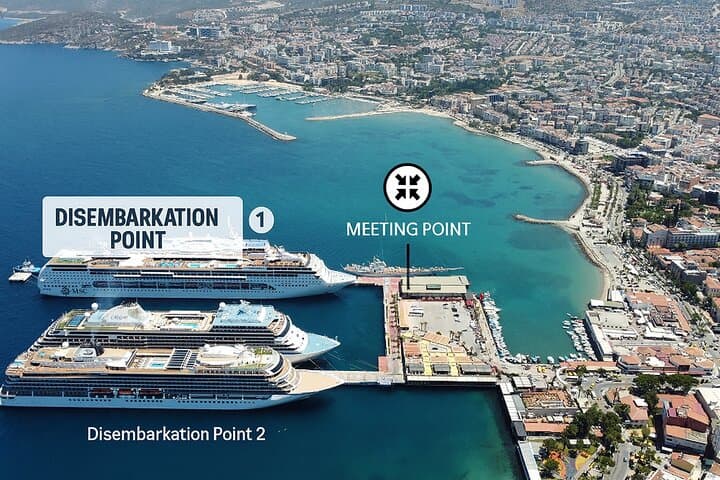
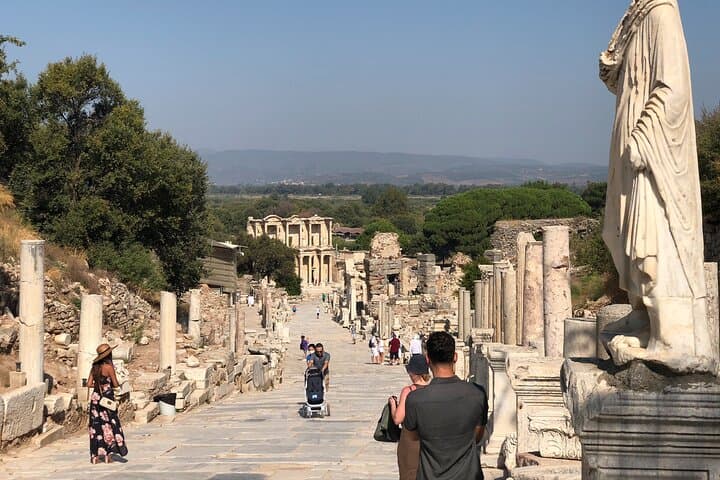
Morning light in the Aegean cuts across marble façades as a private van pulls away from Kuşadası port and heads inland toward Ephesus. Walks here are conversational: your guide points to chariot ruts in Marble Street while the Aegean breeze teases columns and flags, and the theater seems to hold the hush of a crowd that once shouted and cheered.
Verified experiences and guided adventures in the surrounding area.
Operated by Guide of Ephesus · Selçuk, İzmir
Morning light in the Aegean cuts across marble façades as a private van pulls away from Kuşadası port and heads inland toward Ephesus. Walks here are conversational: your guide points to chariot ruts in Marble Street while the Aegean breeze teases columns and flags, and the theater seems to hold the hush of a crowd that once shouted and cheered.
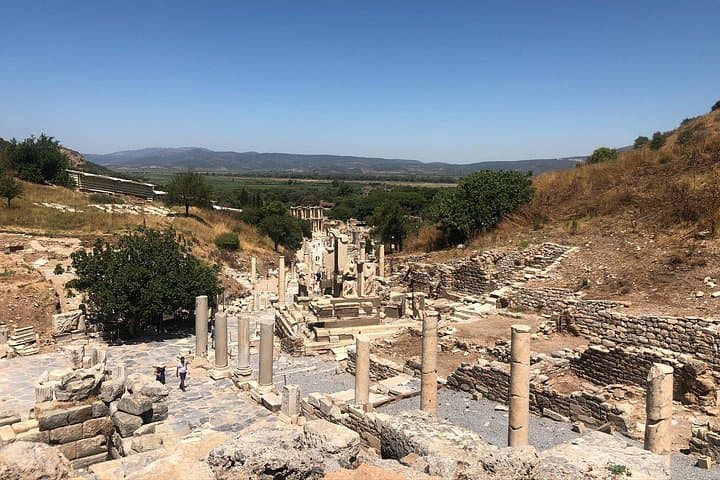
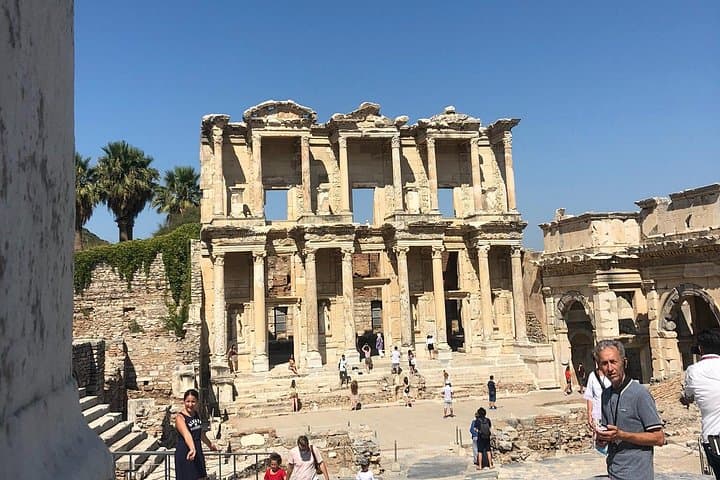
Ephesus was a major Greek then Roman metropolis—its Celsus Library façade and a 20,000-seat theater speak to its civic and commercial importance. Geologically the site sits on alluvial terraces formed by the Cayster River; shifting sediment buried and preserved buildings until modern excavations revealed them. Local culture mixes Selçuk’s Ottoman-era markets with Anatolian crafts: pottery techniques that trace back to Hittite workshops, hand-woven carpets carrying tribal patterns, and soft lamb leather that reflects centuries of regional tanning.
Practical guidance starts with timing: arrive early to avoid crowds and midday heat; the route inside the ruins is mostly uneven marble and stone steps, so wear sturdy shoes and allow 2–3 hours to see the main monuments. Bring sunscreen, a refillable water bottle, and small-denomination cash—guides often arrange entrance or skip-the-line fees on-site. The tour includes visits to curated craft stops: a pottery demonstration, a carpet village with a countryside lunch, and a leather atelier where artisans explain techniques and sizing.
Expect moderate walking, cultural context, and time for shopping that supports local artisans. The rhythm of the day balances archaeology with hands-on craft encounters—efficient for cruise schedules and rich in tangible connections to Anatolia’s living traditions.
moderate.
5–6 hours.
Moderate fitness—able to walk 2–4 miles on uneven ground and climb stair sections without assistance
The tour can arrange admission; ask your guide—some arrangements require you to pay the skip-the-line fee in cash to the guide.
Yes—pick-up and guaranteed on-time return are part of the itinerary, but communicate your ship’s arrival and departure times during booking.
Shops are curated and often expect purchases, but you should never feel pressured—inspect items and ask for time to decide.
Ephesus has uneven terrain and steps; parts are accessible with assistance but full-site access is limited—contact the operator about specific accessibility needs.
Ephesus grew from an Ionian Greek settlement into a major Roman metropolis; landmarks like the Celsus Library and Great Theater reflect its commercial and civic prominence in antiquity.
The site is vulnerable to erosion and visitor wear—follow pathways, avoid touching masonry, and support local conservation through responsible tourism.
Guide of Ephesus operates guided outdoor trips and adventures with an emphasis on safety, stewardship, and memorable experiences.
Morning light in the Aegean cuts across marble façades as a private van pulls away from Kuşadası port and heads inland toward Ephesus. Walks here are conversational: your guide points to chariot ruts in Marble Street while the Aegean breeze teases columns and flags, and the theater seems to hold the hush of a crowd that once shouted and cheered.
Morning light in the Aegean cuts across marble façades as a private van pulls away from Kuşadası port and heads inland toward Ephesus. Walks here are conversational: your guide points to chariot ruts in Marble Street while the Aegean breeze teases columns and flags, and the theater seems to hold the hush of a crowd that once shouted and cheered.
Ephesus was a major Greek then Roman metropolis—its Celsus Library façade and a 20,000-seat theater speak to its civic and commercial importance. Geologically the site sits on alluvial terraces formed by the Cayster River; shifting sediment buried and preserved buildings until modern excavations revealed them. Local culture mixes Selçuk’s Ottoman-era markets with Anatolian crafts: pottery techniques that trace back to Hittite workshops, hand-woven carpets carrying tribal patterns, and soft lamb leather that reflects centuries of regional tanning.
Practical guidance starts with timing: arrive early to avoid crowds and midday heat; the route inside the ruins is mostly uneven marble and stone steps, so wear sturdy shoes and allow 2–3 hours to see the main monuments. Bring sunscreen, a refillable water bottle, and small-denomination cash—guides often arrange entrance or skip-the-line fees on-site. The tour includes visits to curated craft stops: a pottery demonstration, a carpet village with a countryside lunch, and a leather atelier where artisans explain techniques and sizing.
Expect moderate walking, cultural context, and time for shopping that supports local artisans. The rhythm of the day balances archaeology with hands-on craft encounters—efficient for cruise schedules and rich in tangible connections to Anatolia’s living traditions.