THE ADVENTURE COLLECTIVE® · Independent discovery and booking for outdoor travel

A half-day island escape from Mumbai that pairs UNESCO-listed rock-cut temples with a walk through a working fishing village. Read on for what to expect, how to plan, and practical tips to make the most of your visit.
A half-day island escape from Mumbai that pairs UNESCO-listed rock-cut temples with a walk through a working fishing village. Read on for what to expect, how to plan, and practical tips to make the most of your visit.
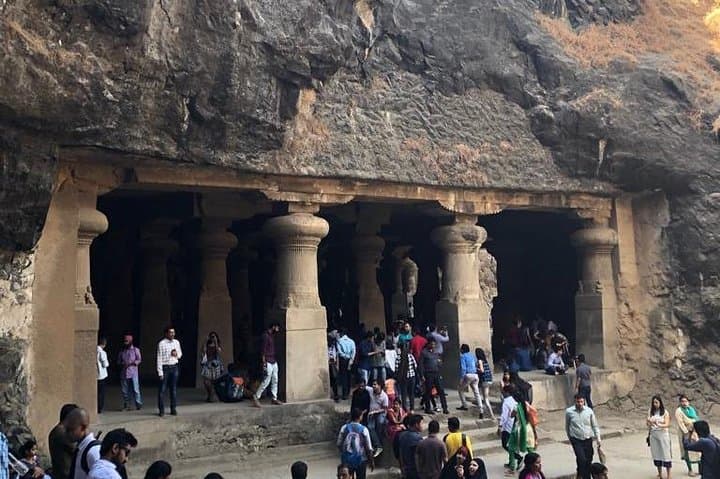
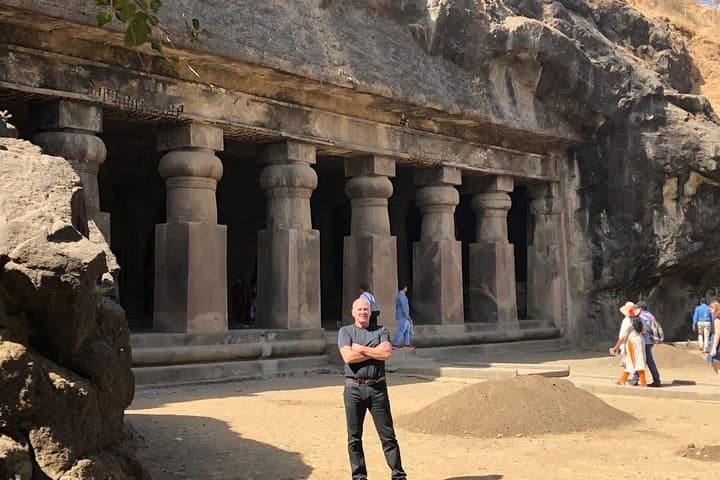
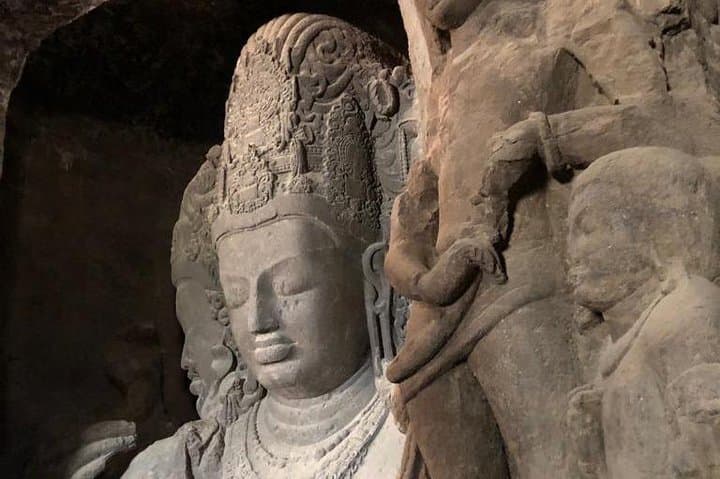
The ferry noses out of Mumbai Harbor and the city’s glass and concrete recede until only the gulls and a low volcanic island remain. On arrival you step onto a ramped quay, heat and salt-stung breeze meeting the cool interior of stone-carved halls. The largest cave opens into a shadowed chamber where carved gods loom over worn steps and the Trimurti’s calm face watches the incoming light.
Verified experiences and guided adventures in the surrounding area.
Operated by BOMBAY INSIDER TOURS · Mumbai, Maharashtra
The ferry noses out of Mumbai Harbor and the city’s glass and concrete recede until only the gulls and a low volcanic island remain. On arrival you step onto a ramped quay, heat and salt-stung breeze meeting the cool interior of stone-carved halls. The largest cave opens into a shadowed chamber where carved gods loom over worn steps and the Trimurti’s calm face watches the incoming light.
Elephanta Island’s caves are carved from Deccan basalt, the product of ancient lava flows that miners and sculptors hacked into between roughly the 5th and 8th centuries CE. The complex is best known for its main cave dedicated to Shiva, but smaller side caves and village shrines give a fuller picture of island life: fishermen mending nets at the shore, temple keepers sweeping stone thresholds, and local stalls selling chai and tender coconut.
Expect uneven stone steps, steep ramps, and close-up details that reward a slow pace; the experience is part archaeology, part living community visit. Guides add essential context — iconography, patronage, and how sea trade shaped the island’s art.
Practical guidance: plan 4–5 hours including ferry time, buy or confirm ferry tickets ahead during peak season, and carry water and sun protection. Photography is permitted but be respectful in active shrines and avoid flash on delicate reliefs. Monsoon months can make docks slippery and ferries less reliable; mornings have cooler light for sculpture detail. Dress for heat and stairs, arrive with small change for entrance fees and village purchases, and leave no trace — the island’s stone survives best when visitors tread lightly.
easy.
4–5 hours.
Light fitness—able to climb and descend multiple flights of uneven stone steps and walk short distances.
Most tours require you to buy ferry tickets separately; entrance fees to the Elephanta Caves are commonly paid on arrival unless specifically included in your booking.
Allow 4–5 hours total for ferry time, cave exploration, a village walk, and transfers—shorter visits are possible but feel rushed.
The caves involve steep, uneven steps and ramps; access is limited and not suited for most wheelchairs or those with significant mobility constraints.
Morning visits offer cooler temperatures and softer light for photography; avoid afternoon monsoon squalls in the wet season.
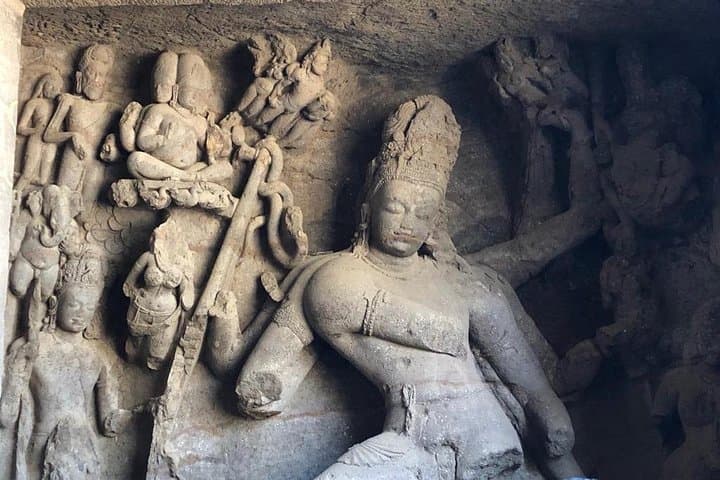
Carved into Deccan basalt from roughly the 5th–8th centuries CE, the caves are primarily Shaivite and listed as a UNESCO World Heritage Site for their monumental rock-cut sculpture.
Erosion and salt spray have weathered the reliefs; visitors help preservation by staying on marked paths, not touching carvings, and following local site rules.
BOMBAY INSIDER TOURS operates guided outdoor trips and adventures with an emphasis on safety, stewardship, and memorable experiences.
The ferry noses out of Mumbai Harbor and the city’s glass and concrete recede until only the gulls and a low volcanic island remain. On arrival you step onto a ramped quay, heat and salt-stung breeze meeting the cool interior of stone-carved halls. The largest cave opens into a shadowed chamber where carved gods loom over worn steps and the Trimurti’s calm face watches the incoming light.
The ferry noses out of Mumbai Harbor and the city’s glass and concrete recede until only the gulls and a low volcanic island remain. On arrival you step onto a ramped quay, heat and salt-stung breeze meeting the cool interior of stone-carved halls. The largest cave opens into a shadowed chamber where carved gods loom over worn steps and the Trimurti’s calm face watches the incoming light.
Elephanta Island’s caves are carved from Deccan basalt, the product of ancient lava flows that miners and sculptors hacked into between roughly the 5th and 8th centuries CE. The complex is best known for its main cave dedicated to Shiva, but smaller side caves and village shrines give a fuller picture of island life: fishermen mending nets at the shore, temple keepers sweeping stone thresholds, and local stalls selling chai and tender coconut.
Expect uneven stone steps, steep ramps, and close-up details that reward a slow pace; the experience is part archaeology, part living community visit. Guides add essential context — iconography, patronage, and how sea trade shaped the island’s art.
Practical guidance: plan 4–5 hours including ferry time, buy or confirm ferry tickets ahead during peak season, and carry water and sun protection. Photography is permitted but be respectful in active shrines and avoid flash on delicate reliefs. Monsoon months can make docks slippery and ferries less reliable; mornings have cooler light for sculpture detail. Dress for heat and stairs, arrive with small change for entrance fees and village purchases, and leave no trace — the island’s stone survives best when visitors tread lightly.