THE ADVENTURE COLLECTIVE® · Independent discovery and booking for outdoor travel

A private guided crossing from the Gateway of India to Elephanta Island, this 5–6 hour tour explores UNESCO-listed rock-cut temples, colossal Shiva reliefs and panoramic sea views. Expect stairs, uneven surfaces, and insightful local interpretation.
A private guided crossing from the Gateway of India to Elephanta Island, this 5–6 hour tour explores UNESCO-listed rock-cut temples, colossal Shiva reliefs and panoramic sea views. Expect stairs, uneven surfaces, and insightful local interpretation.
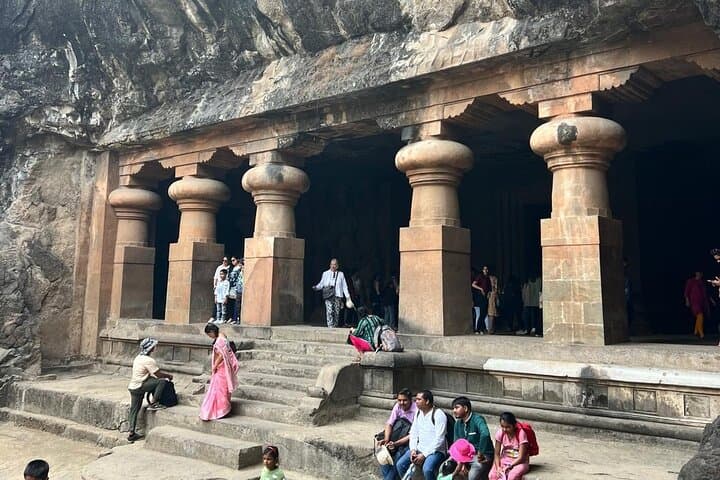
You step off the ferry and the sea exhales, waves nudging the jetty as the island rises from the Arabian Sea. The approach itself sets the tempo: a short crossing from the Gateway of India, then a climb of stone steps toward caverns carved out of volcanic basalt centuries ago.
Verified experiences and guided adventures in the surrounding area.
Operated by Navigate Mumbai Tours · Elephanta Island, Maharashtra
You step off the ferry and the sea exhales, waves nudging the jetty as the island rises from the Arabian Sea. The approach itself sets the tempo: a short crossing from the Gateway of India, then a climb of stone steps toward caverns carved out of volcanic basalt centuries ago.
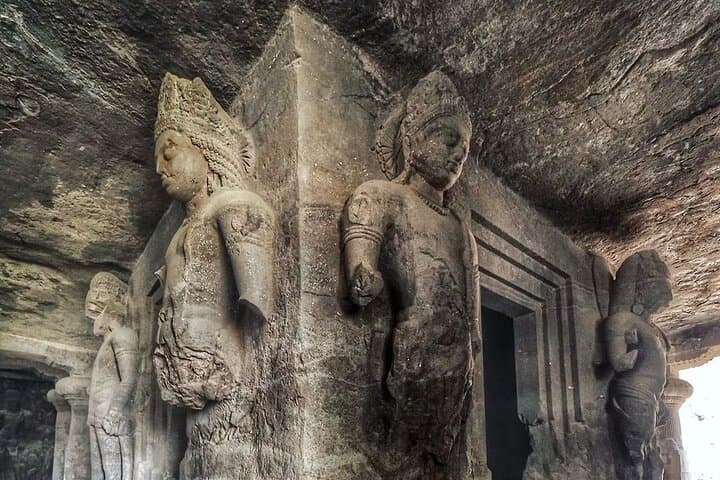
Elephanta (Gharapuri) holds large rock-cut temples dedicated to Lord Shiva, with reliefs and a monumental Trimurti that speak to early medieval devotional practice and regional trade links with western India. Geologically the island is an outcropping of Deccan basalt, where artisans sculpted into hard rock rather than built in masonry—an exacting craft visible in crisp iconography and deep-drilled eyes on stone faces.
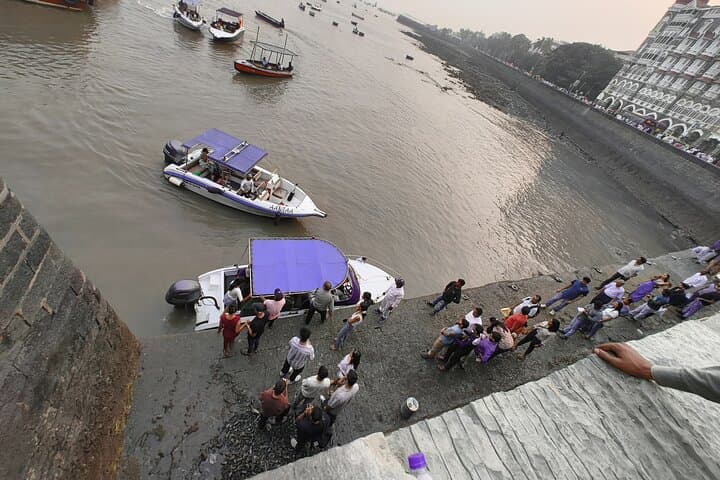
Local island guides thread history, myth, and practical detail: how sea levels and monsoons shaped access, and how the British-era Gateway of India became the usual embarkation point. The cave complex is compact but physically demanding—expect stair sections, uneven floors, and dark chambers where bats sometimes roost and seabirds wheel offshore.
Practically, plan 5–6 hours for the full private experience. Start early to avoid midday heat, bring sun protection, and wear grippy walking shoes for stairs and wet rock. Admission and bottled water are typically included; respect the UNESCO site by not touching sculptures and by carrying out any trash. With a knowledgeable local guide, the visit reads like a live lesson in art, religion, and maritime-era geology—an accessible yet visceral cultural hike a short ferry from Mumbai.
easy.
5–6 hours.
Moderate fitness recommended — able to climb ~100–150 stone steps and walk on uneven surfaces for several hours.
The private tour runs about 5–6 hours including ferry transfers from the Gateway of India and time exploring the caves.
Admission is typically included in the tour price, but confirm at booking; bottled water is often provided as well.
No — access requires climbing stone steps and navigating uneven floors, so it’s not suitable for wheelchairs or limited mobility.
Photography is allowed in most areas, but avoid flash and be respectful of worshippers and fragile surfaces.
The Elephanta cave complex (Gharapuri) contains rock-cut temples and reliefs dating roughly from the 5th–8th centuries CE, focused on Shaivite worship and regional maritime trade.
As a UNESCO World Heritage Site, the island has limits on alterations and stresses from visitor traffic; stay on marked paths, avoid touching sculptures, and pack out trash to minimize impact.
Navigate Mumbai Tours operates guided outdoor trips and adventures with an emphasis on safety, stewardship, and memorable experiences.
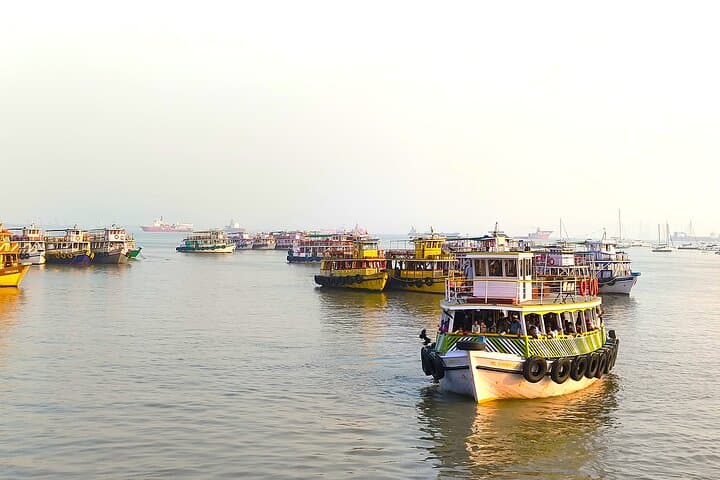
You step off the ferry and the sea exhales, waves nudging the jetty as the island rises from the Arabian Sea. The approach itself sets the tempo: a short crossing from the Gateway of India, then a climb of stone steps toward caverns carved out of volcanic basalt centuries ago.
You step off the ferry and the sea exhales, waves nudging the jetty as the island rises from the Arabian Sea. The approach itself sets the tempo: a short crossing from the Gateway of India, then a climb of stone steps toward caverns carved out of volcanic basalt centuries ago.
Elephanta (Gharapuri) holds large rock-cut temples dedicated to Lord Shiva, with reliefs and a monumental Trimurti that speak to early medieval devotional practice and regional trade links with western India. Geologically the island is an outcropping of Deccan basalt, where artisans sculpted into hard rock rather than built in masonry—an exacting craft visible in crisp iconography and deep-drilled eyes on stone faces.
Local island guides thread history, myth, and practical detail: how sea levels and monsoons shaped access, and how the British-era Gateway of India became the usual embarkation point. The cave complex is compact but physically demanding—expect stair sections, uneven floors, and dark chambers where bats sometimes roost and seabirds wheel offshore.
Practically, plan 5–6 hours for the full private experience. Start early to avoid midday heat, bring sun protection, and wear grippy walking shoes for stairs and wet rock. Admission and bottled water are typically included; respect the UNESCO site by not touching sculptures and by carrying out any trash. With a knowledgeable local guide, the visit reads like a live lesson in art, religion, and maritime-era geology—an accessible yet visceral cultural hike a short ferry from Mumbai.