THE ADVENTURE COLLECTIVE® · Independent discovery and booking for outdoor travel

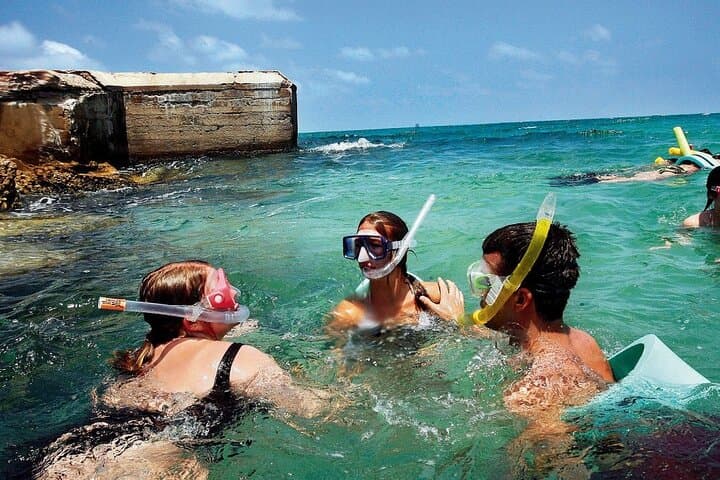
A private 3‑hour boat trip delivers you to Egmont Key State Park for two hours of snorkeling, shelling, and exploring an 1858 lighthouse and Fort Dade ruins. This secluded Gulf island has no facilities—plan accordingly to make the most of your time ashore.
A private 3‑hour boat trip delivers you to Egmont Key State Park for two hours of snorkeling, shelling, and exploring an 1858 lighthouse and Fort Dade ruins. This secluded Gulf island has no facilities—plan accordingly to make the most of your time ashore.
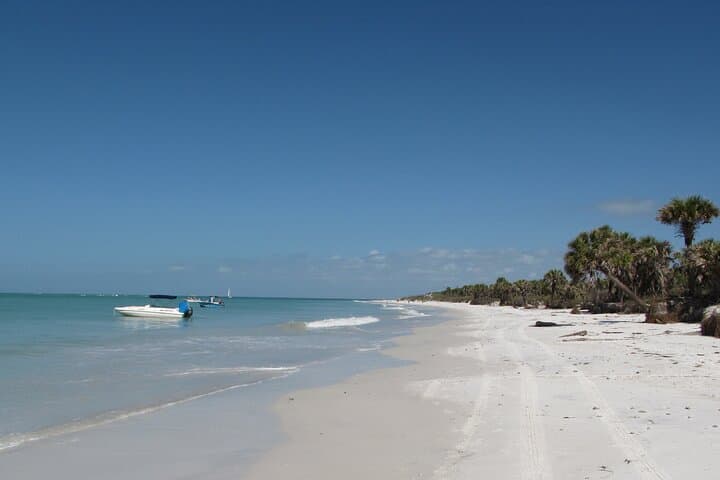
The boat eases away from Bradenton Beach and the Gulf opens like a pale, restless mirror; the motor’s hum fades as Egmont Key grows from a smudge of green and white into a place with its own weather and rules. Salt wind pushes at your face, the shoals whisper under the hull, and the island’s low profile promises beaches wide enough to walk for miles.
Verified experiences and guided adventures in the surrounding area.
Operated by Sea Rocket Ocean City (Downtown) · Bradenton Beach, Florida
The boat eases away from Bradenton Beach and the Gulf opens like a pale, restless mirror; the motor’s hum fades as Egmont Key grows from a smudge of green and white into a place with its own weather and rules. Salt wind pushes at your face, the shoals whisper under the hull, and the island’s low profile promises beaches wide enough to walk for miles.
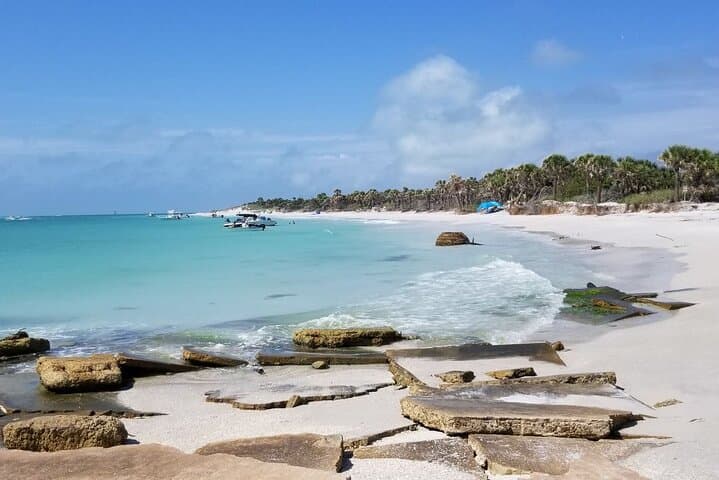
Egmont Key sits at the mouth of Tampa Bay and carries layered history: an 1858 U.S. Coast Guard lighthouse, the concrete ruins of Fort Dade from the Spanish–American War era, and a maritime landscape sculpted by shifting sandbars and tides. Geologically it's a barrier island remnant—sands moved by Gulf currents, dunes that migrate with storms, and seagrass flats that cradle juvenile fish and snails. Culturally the island is quiet, used historically for defense and navigation, now managed as both a State Park and a National Wildlife Refuge.
Expect two hours ashore on roughly 250 acres: clear, shallow water that dares you to snorkel, beaches good for collecting shells, and scrub where gopher tortoises roam. There are no facilities—no potable water, no restrooms—so planning is part of the trip. Bring reef‑safe sunscreen, plenty of water, a lightweight daypack, and footwear for rusted concrete and hot sand. Timing matters: calm mornings make for easy snorkel conditions and cooler shade; mid‑day sun is fierce. The private boat format for up to 12 people means flexibility—plan your landing, keep an eye on tides, and leave the island as you found it so its wildlife and history stay intact.
easy.
2–3 hours.
Light activity level—short walks on sand and shallow swimming; suitable for most ages with basic mobility
No—Egmont Key has no facilities. Bring all water, food, and plan restroom needs before landing.
You can bring food and non‑glass containers for a picnic, but follow park rules and pack out all trash; local regulations may restrict alcohol—ask your captain if unsure.
Yes; the trip is listed as easy and suitable for all fitness levels, but plan for sun exposure, make sure children have flotation if swimming, and be cautious on uneven surfaces.
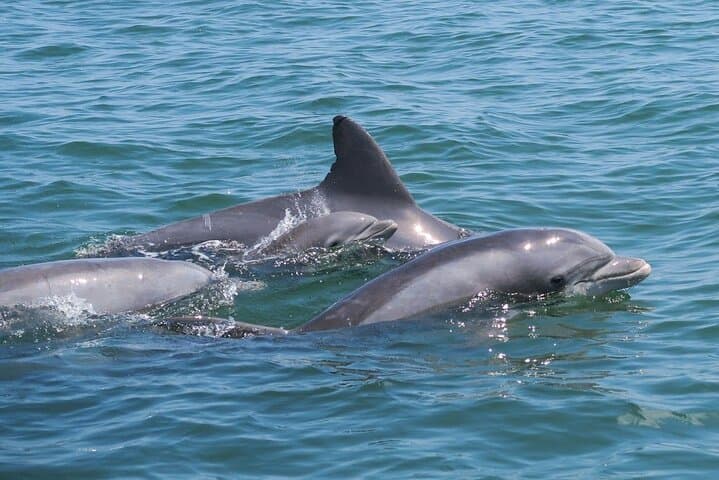
Expect wildlife like shorebirds, gopher tortoises, and often dolphins offshore; the captain usually provides history about the lighthouse and Fort Dade, but this is not a formal guided archaeology tour.
Egmont Key’s lighthouse (1858) guided ships entering Tampa Bay; Fort Dade’s batteries and barracks are relics of coastal defense from the Spanish–American War era.
The island is managed as both a State Park and National Wildlife Refuge—visitors must follow leave‑no‑trace practices, avoid disturbing nesting shorebirds and sea turtle habitat, and use reef‑safe products.
Sea Rocket Ocean City (Downtown) operates guided outdoor trips and adventures with an emphasis on safety, stewardship, and memorable experiences.
The boat eases away from Bradenton Beach and the Gulf opens like a pale, restless mirror; the motor’s hum fades as Egmont Key grows from a smudge of green and white into a place with its own weather and rules. Salt wind pushes at your face, the shoals whisper under the hull, and the island’s low profile promises beaches wide enough to walk for miles.
The boat eases away from Bradenton Beach and the Gulf opens like a pale, restless mirror; the motor’s hum fades as Egmont Key grows from a smudge of green and white into a place with its own weather and rules. Salt wind pushes at your face, the shoals whisper under the hull, and the island’s low profile promises beaches wide enough to walk for miles.
Egmont Key sits at the mouth of Tampa Bay and carries layered history: an 1858 U.S. Coast Guard lighthouse, the concrete ruins of Fort Dade from the Spanish–American War era, and a maritime landscape sculpted by shifting sandbars and tides. Geologically it's a barrier island remnant—sands moved by Gulf currents, dunes that migrate with storms, and seagrass flats that cradle juvenile fish and snails. Culturally the island is quiet, used historically for defense and navigation, now managed as both a State Park and a National Wildlife Refuge.
Expect two hours ashore on roughly 250 acres: clear, shallow water that dares you to snorkel, beaches good for collecting shells, and scrub where gopher tortoises roam. There are no facilities—no potable water, no restrooms—so planning is part of the trip. Bring reef‑safe sunscreen, plenty of water, a lightweight daypack, and footwear for rusted concrete and hot sand. Timing matters: calm mornings make for easy snorkel conditions and cooler shade; mid‑day sun is fierce. The private boat format for up to 12 people means flexibility—plan your landing, keep an eye on tides, and leave the island as you found it so its wildlife and history stay intact.