THE ADVENTURE COLLECTIVE® · Independent discovery and booking for outdoor travel

Travel by private car from Prague to Terezín for a focused, guide-led visit through the camp’s museum, barracks, and Small Fortress prison. This six-hour tour pairs archival artifacts with on-site interpretation for a measured, impactful experience.
Travel by private car from Prague to Terezín for a focused, guide-led visit through the camp’s museum, barracks, and Small Fortress prison. This six-hour tour pairs archival artifacts with on-site interpretation for a measured, impactful experience.
You arrive from Prague along low river plains, the car easing past fields until the fortress town of Terezín draws close: stone walls, austere barracks, and the quiet that follows heavy history. The air seems to hold stories; wind nudges between brick blocks as guides open the archive of memory.
Verified experiences and guided adventures in the surrounding area.
Operated by Private Tour Guide Ljuba Poleva · Terezín, Ústí nad Labem Region
You arrive from Prague along low river plains, the car easing past fields until the fortress town of Terezín draws close: stone walls, austere barracks, and the quiet that follows heavy history. The air seems to hold stories; wind nudges between brick blocks as guides open the archive of memory.
Terezín (Theresienstadt) was used by the Nazis as a ghetto and a propaganda “model” to mislead observers, while the Small Fortress functioned as a Gestapo prison. The town’s geometry—star-shaped fortifications typical of 18th-century military engineering—frames a site where culture and cruelty intersect: orchestras and children’s drawings were produced within walls built for control.
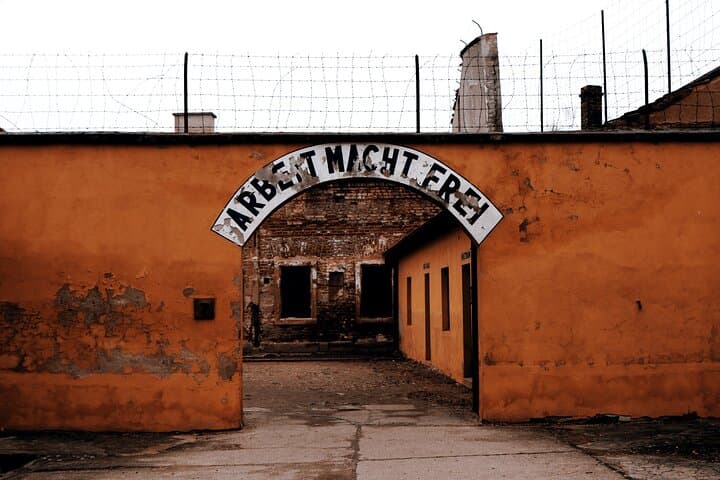
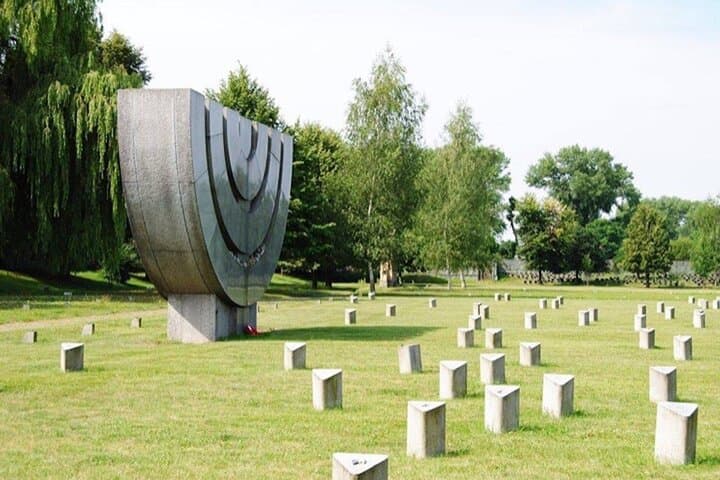
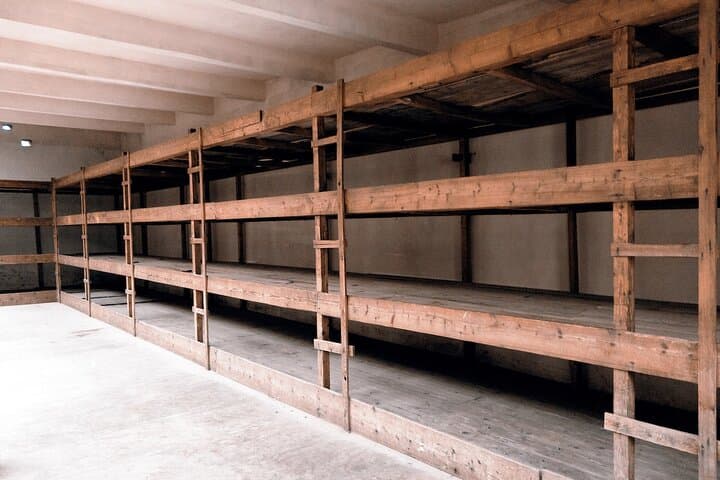
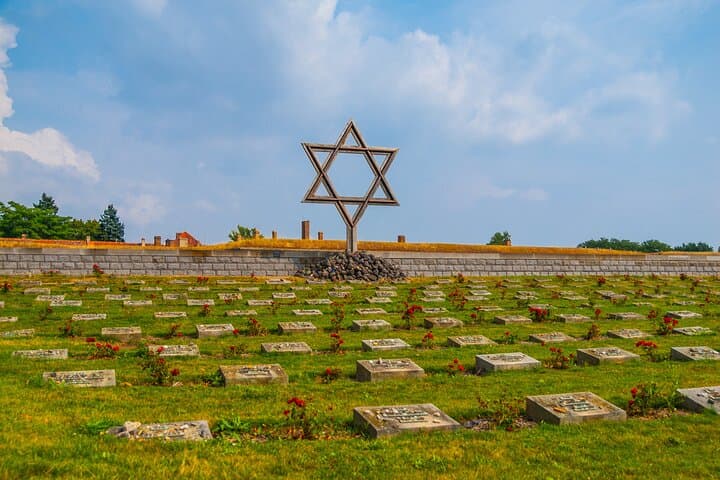
Walk the Magdeburg Barracks, see original drawings and poems, then cross to the Small Fortress to visit cells, a hidden tunnel, and the grim administrative spaces. The flat geology of the Litoměřice lowlands means easy walking but few natural shelters; open skies keep the site exposed, lending a stark clarity to monuments and memorial plaques.
Practical guidance: plan for a six-hour excursion from Prague with a licensed local guide who can provide documents and access not available to general visitors. Expect a mix of indoor exhibits and outdoor walks across cobbles and ramps—comfortable shoes and quiet respect are essential. Photography may be restricted in certain rooms; ask your guide. Emotional preparation matters: the tour delivers heavy material, so allow time afterward to process what you’ve seen. Finally, bring water, ID for travel, and a charged phone for navigation back to Prague.
easy.
6 hours.
Suitable for most fitness levels; involves several short walks and standing during exhibits.
Admission to some museum sections is typically not included; confirm with your operator whether entrance fees are covered before booking.
Younger children can attend, but the material is intense and emotionally heavy—consider age and sensitivity before booking.
Much of Terezín is accessible, and transportation is wheelchair-compatible, but some historic buildings have limited access—notify the operator of specific needs when booking.
Bring a photo ID for pickup and any vehicle requirements; passports are not usually required for museum entry but carry identification for practical reasons.
Terezín served both as a transit ghetto and a propaganda site; the Small Fortress was run by the Gestapo and used for imprisonment and interrogation.
The Memorial operates preservation programs for documents and artifacts; visitors help by following rules, not touching displays, and supporting education efforts.
Private Tour Guide Ljuba Poleva operates guided outdoor trips and adventures with an emphasis on safety, stewardship, and memorable experiences.
You arrive from Prague along low river plains, the car easing past fields until the fortress town of Terezín draws close: stone walls, austere barracks, and the quiet that follows heavy history. The air seems to hold stories; wind nudges between brick blocks as guides open the archive of memory.
You arrive from Prague along low river plains, the car easing past fields until the fortress town of Terezín draws close: stone walls, austere barracks, and the quiet that follows heavy history. The air seems to hold stories; wind nudges between brick blocks as guides open the archive of memory.
Terezín (Theresienstadt) was used by the Nazis as a ghetto and a propaganda “model” to mislead observers, while the Small Fortress functioned as a Gestapo prison. The town’s geometry—star-shaped fortifications typical of 18th-century military engineering—frames a site where culture and cruelty intersect: orchestras and children’s drawings were produced within walls built for control.
Walk the Magdeburg Barracks, see original drawings and poems, then cross to the Small Fortress to visit cells, a hidden tunnel, and the grim administrative spaces. The flat geology of the Litoměřice lowlands means easy walking but few natural shelters; open skies keep the site exposed, lending a stark clarity to monuments and memorial plaques.
Practical guidance: plan for a six-hour excursion from Prague with a licensed local guide who can provide documents and access not available to general visitors. Expect a mix of indoor exhibits and outdoor walks across cobbles and ramps—comfortable shoes and quiet respect are essential. Photography may be restricted in certain rooms; ask your guide. Emotional preparation matters: the tour delivers heavy material, so allow time afterward to process what you’ve seen. Finally, bring water, ID for travel, and a charged phone for navigation back to Prague.