THE ADVENTURE COLLECTIVE® · Independent discovery and booking for outdoor travel

Skip the stress between cities: this private, eco-conscious transfer takes you from New Orleans to Baton Rouge in comfort and style. Expect door-to-door pickup, bottled water, and predictable travel times—plan around peak traffic on I‑10.
Skip the stress between cities: this private, eco-conscious transfer takes you from New Orleans to Baton Rouge in comfort and style. Expect door-to-door pickup, bottled water, and predictable travel times—plan around peak traffic on I‑10.
The morning pulls you out of the French Quarter with a low, steady hum — your driver slides into traffic and the city gives way to oak-lined avenues, industrial riverfront, then the flat green of the Gulf Coastal Plain. The Mississippi seems to dare you onward as the van eats highway miles toward Baton Rouge, sugarcane fields brushing the windows like distant applause.
Verified experiences and guided adventures in the surrounding area.
Operated by Boss Be Luxury Ride · New Orleans, Louisiana
The morning pulls you out of the French Quarter with a low, steady hum — your driver slides into traffic and the city gives way to oak-lined avenues, industrial riverfront, then the flat green of the Gulf Coastal Plain. The Mississippi seems to dare you onward as the van eats highway miles toward Baton Rouge, sugarcane fields brushing the windows like distant applause.
This corridor follows layers of coastal geology: alluvial plains formed by centuries of river sediment and human levees that shaped modern Louisiana. Culturally the route moves between two different beats — New Orleans’ Creole and jazz heritage to Baton Rouge’s political center and LSU campus life. Expect reminders of the region’s port economy, seafood stands, and antebellum history visible in small towns along I‑10.
Practically, a private transfer removes the guessing from public transit: door‑to‑door pickup, a sanitized eco‑friendly vehicle, bottled water and onboard tablet options. Travel time typically runs 60–120 minutes depending on rush-hour congestion around New Orleans and Baton Rouge and any bridge or interstate delays. Confirm your pickup point in advance, pack luggage to fit one trunk and one carry-on per person if possible, and factor in traffic if you have a tight connection.
For comfort, bring a light layer against air conditioning, a phone charger, and headphones. Drivers for private transfers are a local resource — ask for recommended stops, traffic updates, or tips on timing your arrival to avoid campus or legislative traffic. This trip is straightforward transportation with the added benefits of privacy, predictability, and a smaller carbon footprint than multiple single-occupancy cars.
easy.
1–2 hours.
Suitable for all fitness levels; brief mobility to board/exit and handle luggage recommended
Typical drive time is 60–120 minutes depending on traffic on I‑10 and specific pickup/drop‑off locations.
Yes—private transfers pick up from hotels, airports, residences and arranged meeting points within New Orleans; provide exact details when booking.
Some drivers can accommodate brief stops (restroom, quick food stop) if scheduled in advance, but additional time may incur extra charges—confirm before departure.
Full refunds are generally available if cancelled at least 24 hours before the scheduled pickup; check your booking confirmation for specifics.
The route follows historic Mississippi River corridors where commerce, plantation logistics and rail lines shaped mid‑Louisiana settlement patterns.
Choose eco‑conscious transfers to reduce local emissions; staying on established roads avoids marsh fragmentation and protects sensitive wetlands.
Boss Be Luxury Ride operates guided outdoor trips and adventures with an emphasis on safety, stewardship, and memorable experiences.
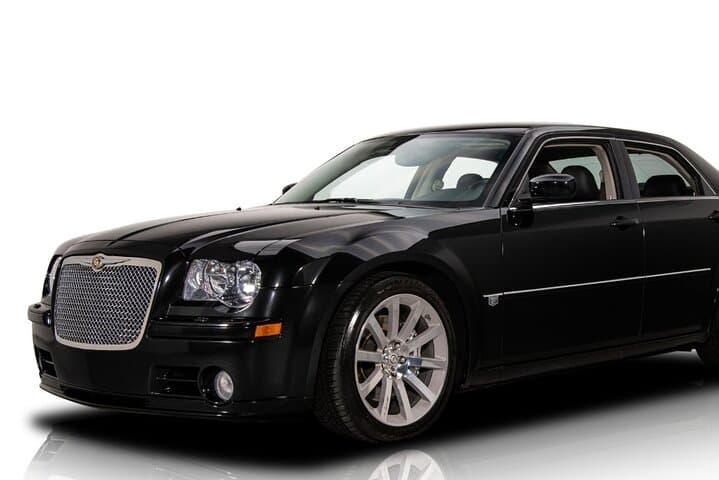
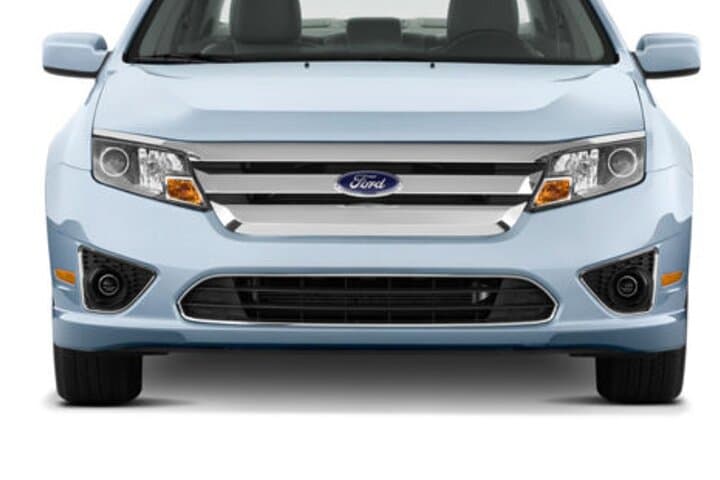
The morning pulls you out of the French Quarter with a low, steady hum — your driver slides into traffic and the city gives way to oak-lined avenues, industrial riverfront, then the flat green of the Gulf Coastal Plain. The Mississippi seems to dare you onward as the van eats highway miles toward Baton Rouge, sugarcane fields brushing the windows like distant applause.
The morning pulls you out of the French Quarter with a low, steady hum — your driver slides into traffic and the city gives way to oak-lined avenues, industrial riverfront, then the flat green of the Gulf Coastal Plain. The Mississippi seems to dare you onward as the van eats highway miles toward Baton Rouge, sugarcane fields brushing the windows like distant applause.
This corridor follows layers of coastal geology: alluvial plains formed by centuries of river sediment and human levees that shaped modern Louisiana. Culturally the route moves between two different beats — New Orleans’ Creole and jazz heritage to Baton Rouge’s political center and LSU campus life. Expect reminders of the region’s port economy, seafood stands, and antebellum history visible in small towns along I‑10.
Practically, a private transfer removes the guessing from public transit: door‑to‑door pickup, a sanitized eco‑friendly vehicle, bottled water and onboard tablet options. Travel time typically runs 60–120 minutes depending on rush-hour congestion around New Orleans and Baton Rouge and any bridge or interstate delays. Confirm your pickup point in advance, pack luggage to fit one trunk and one carry-on per person if possible, and factor in traffic if you have a tight connection.
For comfort, bring a light layer against air conditioning, a phone charger, and headphones. Drivers for private transfers are a local resource — ask for recommended stops, traffic updates, or tips on timing your arrival to avoid campus or legislative traffic. This trip is straightforward transportation with the added benefits of privacy, predictability, and a smaller carbon footprint than multiple single-occupancy cars.