THE ADVENTURE COLLECTIVE® · Independent discovery and booking for outdoor travel

Spend five hours exploring eastern Bali’s cultural landmarks: a bat-filled cave temple, an Aga weaving village, and the ornate pools of Tirta Gangga. This private tour pairs accessible walking with deep local context—ideal for travelers who want concentrated cultural immersion.
Spend five hours exploring eastern Bali’s cultural landmarks: a bat-filled cave temple, an Aga weaving village, and the ornate pools of Tirta Gangga. This private tour pairs accessible walking with deep local context—ideal for travelers who want concentrated cultural immersion.
You step out of an air-conditioned vehicle into the warm eastern light and the scent of frangipani; the road has already given way to rice terraces and black volcanic ridgelines that frame the coast.
Verified experiences and guided adventures in the surrounding area.
Operated by Bali Booking Center · Amlapura, Bali
You step out of an air-conditioned vehicle into the warm eastern light and the scent of frangipani; the road has already given way to rice terraces and black volcanic ridgelines that frame the coast.
The five-hour private loop visits Goa Lawah’s bat-filled temple, the Aga village of Tenganan, and the water palace of Tirta Gangga—sites that read like chapters of eastern Bali’s living history. Geologically, the coast here is a product of recent volcanic encounters; coral benches, lava flows and uplifted terraces create the dramatic shorelines that meet inland outcrops and the irrigated plots that feed local communities.
Culturally, Tenganan preserves the Aga people’s double-ikat Gringsing weaving and age-old house patterns, while Goa Lawah remains an active Hindu shrine where offerings and incense set a steady rhythm to daily life. Tirta Gangga’s pools reflect Balinese court aesthetics and the island’s reverence for sacred water.
Practically, the tour moves at a measured pace—short walks, shrine visits, and photo stops—so wear closed-toe shoes for uneven temple grounds and bring modest clothing for temple entry. Plan for mid-morning light at Tirta Gangga and quieter moments at Tenganan if you want to watch artisans work. Hydrate before and during the trip; bottled water is provided, but carry a refill bottle to reduce waste.
Expect short explanations from your guide on ritual protocol, local customs, and the sustainable pressures of tourism here. The route suits travelers who want a compact, private immersion in eastern Bali’s cultural landscapes without a long trek—an accessible window into islands of stone, water, and craft.
easy.
5 hours.
Suitable for most fitness levels; requires short walks on uneven surfaces and some standing during temple visits.
Yes—it's designed as an easy, private tour with minimal walking; inform the operator of mobility needs for tailored pacing.
Most itineraries include admission to the featured sites, but confirm at booking if local donations or extra activities are covered.
Yes—Tenganan has artisans selling Gringsing textiles and crafts; bring cash for purchases and bargaining is limited out of respect for fixed traditional pricing.
Temples require modest dress: shoulders and knees covered and often a sash; guides usually provide sarongs or indicate where to rent them.
Eastern Bali has long been shaped by Hindu-Javanese courts and volcanic activity; sites like Tirta Gangga and Goa Lawah reflect royal patronage and local spiritual practice.
Rising visitor numbers put pressure on water resources and fragile village crafts—choose local guides, avoid single-use plastics, and support community-run stalls when possible.
Bali Booking Center operates guided outdoor trips and adventures with an emphasis on safety, stewardship, and memorable experiences.


You step out of an air-conditioned vehicle into the warm eastern light and the scent of frangipani; the road has already given way to rice terraces and black volcanic ridgelines that frame the coast.
You step out of an air-conditioned vehicle into the warm eastern light and the scent of frangipani; the road has already given way to rice terraces and black volcanic ridgelines that frame the coast.
The five-hour private loop visits Goa Lawah’s bat-filled temple, the Aga village of Tenganan, and the water palace of Tirta Gangga—sites that read like chapters of eastern Bali’s living history. Geologically, the coast here is a product of recent volcanic encounters; coral benches, lava flows and uplifted terraces create the dramatic shorelines that meet inland outcrops and the irrigated plots that feed local communities.
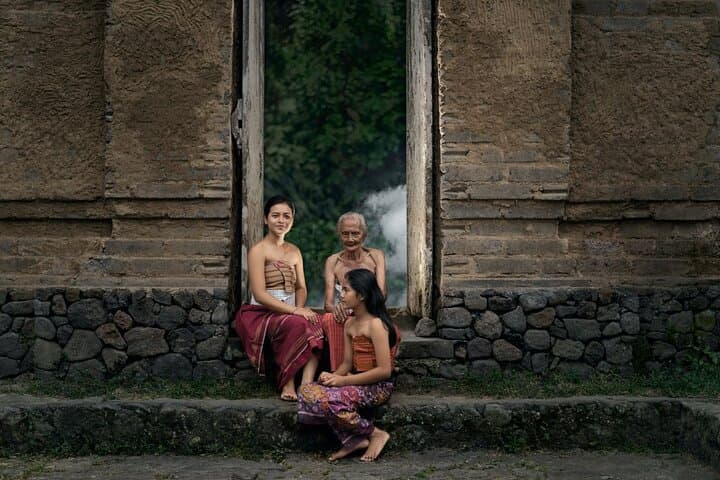
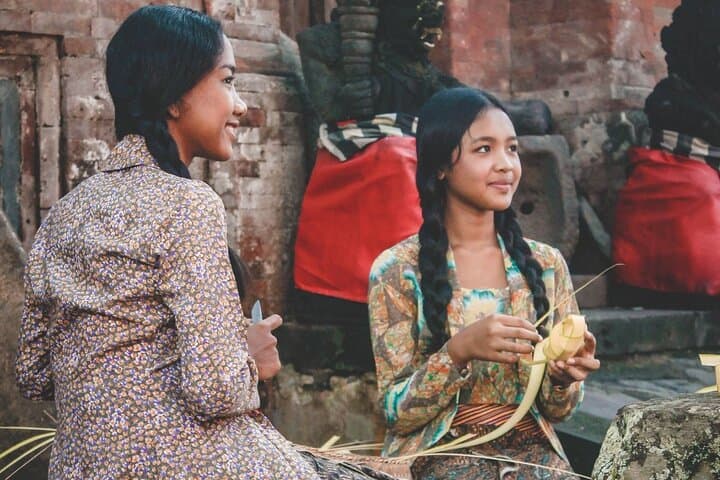
Culturally, Tenganan preserves the Aga people’s double-ikat Gringsing weaving and age-old house patterns, while Goa Lawah remains an active Hindu shrine where offerings and incense set a steady rhythm to daily life. Tirta Gangga’s pools reflect Balinese court aesthetics and the island’s reverence for sacred water.
Practically, the tour moves at a measured pace—short walks, shrine visits, and photo stops—so wear closed-toe shoes for uneven temple grounds and bring modest clothing for temple entry. Plan for mid-morning light at Tirta Gangga and quieter moments at Tenganan if you want to watch artisans work. Hydrate before and during the trip; bottled water is provided, but carry a refill bottle to reduce waste.
Expect short explanations from your guide on ritual protocol, local customs, and the sustainable pressures of tourism here. The route suits travelers who want a compact, private immersion in eastern Bali’s cultural landscapes without a long trek—an accessible window into islands of stone, water, and craft.