THE ADVENTURE COLLECTIVE® · Independent discovery and booking for outdoor travel

Walk beneath towering columns and along the remnant Avenue of the Sphinxes on a private half-day tour of Karnak and Luxor Temples with an Egyptologist. Learn layered histories, see Tutankhamun’s additions, and get practical tips for timing, sun, and photography.
Walk beneath towering columns and along the remnant Avenue of the Sphinxes on a private half-day tour of Karnak and Luxor Temples with an Egyptologist. Learn layered histories, see Tutankhamun’s additions, and get practical tips for timing, sun, and photography.
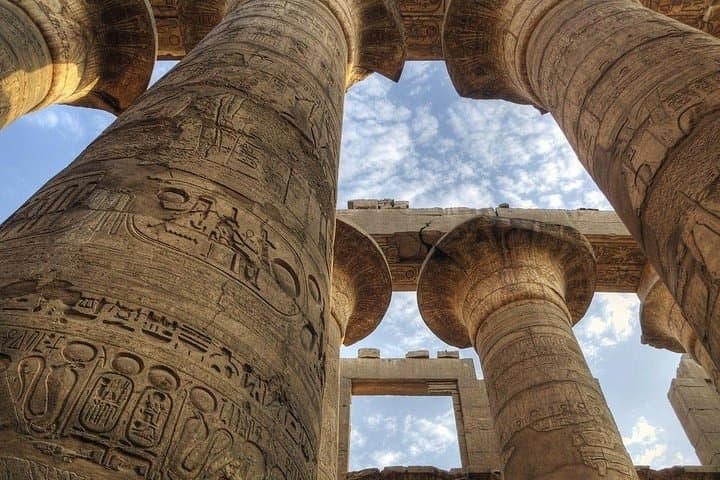
You step from the shaded minivan into a plaza of stone and sun: columns rise like a deliberate forest, casts of hieroglyphs tracing stories across baked sandstone. The Nile hums nearby as your Egyptologist guide points you toward the Avenue of the Sphinxes — a two-kilometer processional marked now by fragments and a few restored stretches that hint at the ancient route between Karnak and Luxor.
Verified experiences and guided adventures in the surrounding area.
Operated by Special trips · Luxor, Luxor Governorate
You step from the shaded minivan into a plaza of stone and sun: columns rise like a deliberate forest, casts of hieroglyphs tracing stories across baked sandstone. The Nile hums nearby as your Egyptologist guide points you toward the Avenue of the Sphinxes — a two-kilometer processional marked now by fragments and a few restored stretches that hint at the ancient route between Karnak and Luxor.
Karnak began as a small sanctuary more than 3,000 years ago and expanded under pharaohs who added pylons, courts and the Hypostyle Hall’s 134 columns. Geologically the temples rest on alluvial Nile deposits; their sandstone blocks weather differently depending on exposure, which is why some carvings appear crisp and others softened by centuries of wind and dust.
Culture here is layered: New Kingdom kings, later Greek rulers like Alexander, and modern Egyptian conservators have all left marks. The Luxor Temple, dominated by Ramesses II’s statues and one remaining obelisk, feels more intimate — a ritual space where celebration and royal power were performed close to the city.
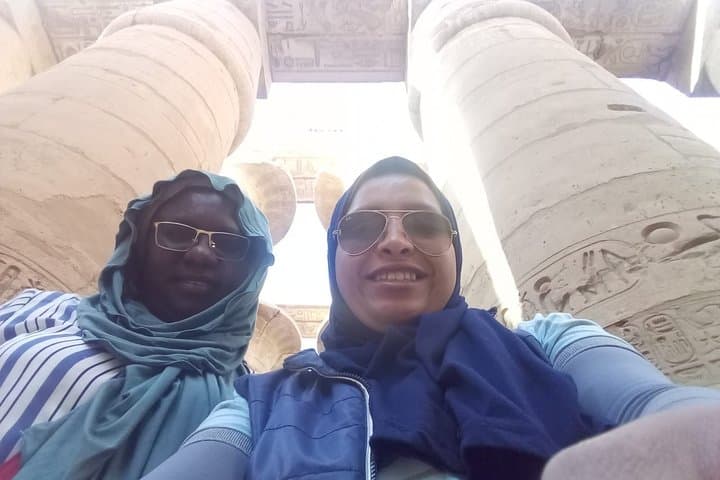
Practical guidance: expect 4–5 hours including pickup and drop-off; wear sun-protective clothing, sturdy closed shoes, and bring a refillable water bottle. Morning light best highlights reliefs and keeps temperatures manageable. Photography is allowed in many areas but respect signs and barriers; never touch carved surfaces. The tour covers both sites at a relaxed walking pace with time to explore independently before returning to your hotel.
easy.
4–5 hours.
Basic walking fitness; able to stand and walk on uneven stone surfaces for several hours.
The private tour runs about 4–5 hours door-to-door, including guided visits at Karnak and Luxor Temples and hotel transfers.
This tour description lists admission as not included—confirm with the operator whether tickets are handled on arrival or need to be purchased separately.
Yes—providers note stroller access and infant seats are available; uneven surfaces mean caregivers should be prepared to carry very young children in some spots.
Photography is generally allowed in outdoor and many indoor areas, but follow guide directions and posted restrictions to avoid damaging sensitive reliefs.
The Karnak complex expanded over centuries under New Kingdom pharaohs; Luxor Temple was linked to Karnak by a sphinx-lined avenue used in religious festivals.
High visitor numbers and wind-blown sand stress ancient stone; follow barriers, avoid touching reliefs, and choose licensed guides who support site-management practices.
Special trips operates guided outdoor trips and adventures with an emphasis on safety, stewardship, and memorable experiences.


You step from the shaded minivan into a plaza of stone and sun: columns rise like a deliberate forest, casts of hieroglyphs tracing stories across baked sandstone. The Nile hums nearby as your Egyptologist guide points you toward the Avenue of the Sphinxes — a two-kilometer processional marked now by fragments and a few restored stretches that hint at the ancient route between Karnak and Luxor.
You step from the shaded minivan into a plaza of stone and sun: columns rise like a deliberate forest, casts of hieroglyphs tracing stories across baked sandstone. The Nile hums nearby as your Egyptologist guide points you toward the Avenue of the Sphinxes — a two-kilometer processional marked now by fragments and a few restored stretches that hint at the ancient route between Karnak and Luxor.
Karnak began as a small sanctuary more than 3,000 years ago and expanded under pharaohs who added pylons, courts and the Hypostyle Hall’s 134 columns. Geologically the temples rest on alluvial Nile deposits; their sandstone blocks weather differently depending on exposure, which is why some carvings appear crisp and others softened by centuries of wind and dust.
Culture here is layered: New Kingdom kings, later Greek rulers like Alexander, and modern Egyptian conservators have all left marks. The Luxor Temple, dominated by Ramesses II’s statues and one remaining obelisk, feels more intimate — a ritual space where celebration and royal power were performed close to the city.
Practical guidance: expect 4–5 hours including pickup and drop-off; wear sun-protective clothing, sturdy closed shoes, and bring a refillable water bottle. Morning light best highlights reliefs and keeps temperatures manageable. Photography is allowed in many areas but respect signs and barriers; never touch carved surfaces. The tour covers both sites at a relaxed walking pace with time to explore independently before returning to your hotel.