THE ADVENTURE COLLECTIVE® · Independent discovery and booking for outdoor travel

A private, flexible day visiting Karnak and Luxor Temples with an air-conditioned transfer from Luxor to Aswan. Ideal for photographers and cultural travelers who want history at their own pace with the option to add an Egyptologist.
A private, flexible day visiting Karnak and Luxor Temples with an air-conditioned transfer from Luxor to Aswan. Ideal for photographers and cultural travelers who want history at their own pace with the option to add an Egyptologist.
You step into the heat-softened morning as your private car pulls away from a quiet Luxor street, the Nile keeping time to the city’s slow pulse. Columns rise ahead like an army frozen mid-march—the Hypostyle Hall at Karnak flings shade across worn stone while chiselled hieroglyphs keep their stories. Later, Luxor Temple awaits along the corniche, its avenue of sphinxes pointing the way to ceremonies that once bound pharaoh and people.
Verified experiences and guided adventures in the surrounding area.
Operated by Eyes of Egypt · Luxor, Luxor Governorate
You step into the heat-softened morning as your private car pulls away from a quiet Luxor street, the Nile keeping time to the city’s slow pulse. Columns rise ahead like an army frozen mid-march—the Hypostyle Hall at Karnak flings shade across worn stone while chiselled hieroglyphs keep their stories. Later, Luxor Temple awaits along the corniche, its avenue of sphinxes pointing the way to ceremonies that once bound pharaoh and people.
Karnak grew across millennia as the religious heart of Thebes; successive pharaohs added pylons, obelisks and chapels to honor Amun-Ra. Luxor Temple anchored royal ritual—Opet Festival processions moved between the two sites, a civic choreography still readable in the layout. Geologically, the Nile’s alluvial plain contrasts with the limestone desert cliffs that frame the valley, so temple stone has a distinct, sun-baked patina.
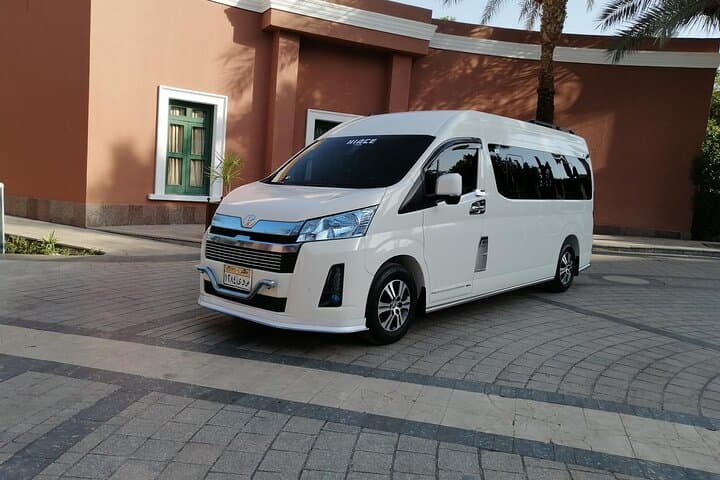
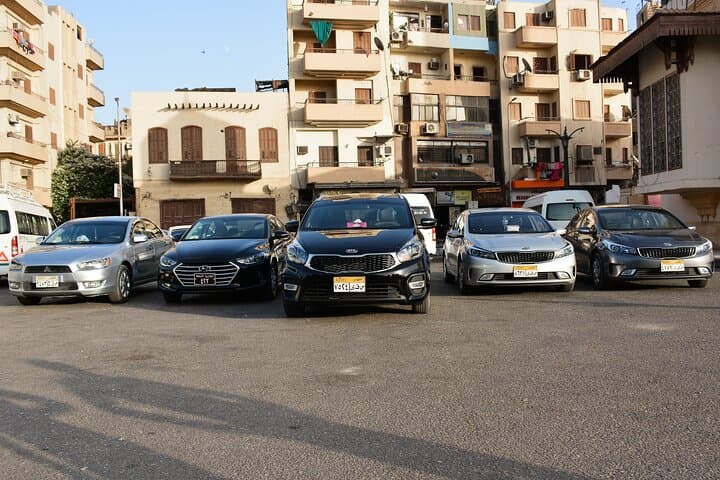
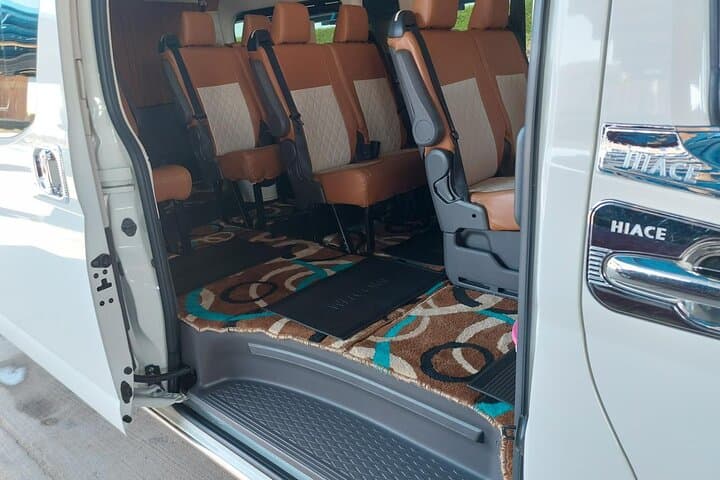
Locals run comfortable private transfers into an efficient, flexible day—optionally adding a licensed Egyptologist for deeper context. Photography is exceptional in early light and again at dusk when Luxor Temple is floodlit, but midday brings the heat.
Practical edge: admissions are typically paid on-site, so carry cash or card and allow 90–120 minutes at Karnak and an hour at Luxor if you want a measured visit. The private transfer to Aswan is about three hours in an air-conditioned vehicle—use that time to rest, hydrate, and review photos. Wear sturdy shoes for uneven ground, sun protection, and a lightweight layer for evenings; accessibility options exist but check specifics when booking.
easy.
6–7 hours.
Suitable for most fitness levels—expect standing and walking on uneven terrain for several hours.
No—admission to Karnak and Luxor Temples is typically paid on-site; bring cash or card to purchase tickets.
The private, air-conditioned drive takes about three hours depending on traffic and stops through Upper Egypt countryside.
Many transfer vehicles and some temple approaches are accessible, but specific site access can vary—confirm accessibility needs when booking.
Yes—there’s an optional upgrade to include a licensed Egyptologist for guided visits to the temples for deeper historical insight.
Karnak evolved across pharaonic dynasties as the principal cult center for Amun-Ra, while Luxor Temple was central to royal ritual and the annual Opet Festival linking kingship and divine renewal.
Both sites face wear from tourism and environmental exposure—follow signage, avoid touching reliefs, and support local conservation efforts by using accredited guides and respecting restricted areas.
Eyes of Egypt operates guided outdoor trips and adventures with an emphasis on safety, stewardship, and memorable experiences.

You step into the heat-softened morning as your private car pulls away from a quiet Luxor street, the Nile keeping time to the city’s slow pulse. Columns rise ahead like an army frozen mid-march—the Hypostyle Hall at Karnak flings shade across worn stone while chiselled hieroglyphs keep their stories. Later, Luxor Temple awaits along the corniche, its avenue of sphinxes pointing the way to ceremonies that once bound pharaoh and people.
You step into the heat-softened morning as your private car pulls away from a quiet Luxor street, the Nile keeping time to the city’s slow pulse. Columns rise ahead like an army frozen mid-march—the Hypostyle Hall at Karnak flings shade across worn stone while chiselled hieroglyphs keep their stories. Later, Luxor Temple awaits along the corniche, its avenue of sphinxes pointing the way to ceremonies that once bound pharaoh and people.
Karnak grew across millennia as the religious heart of Thebes; successive pharaohs added pylons, obelisks and chapels to honor Amun-Ra. Luxor Temple anchored royal ritual—Opet Festival processions moved between the two sites, a civic choreography still readable in the layout. Geologically, the Nile’s alluvial plain contrasts with the limestone desert cliffs that frame the valley, so temple stone has a distinct, sun-baked patina.
Locals run comfortable private transfers into an efficient, flexible day—optionally adding a licensed Egyptologist for deeper context. Photography is exceptional in early light and again at dusk when Luxor Temple is floodlit, but midday brings the heat.
Practical edge: admissions are typically paid on-site, so carry cash or card and allow 90–120 minutes at Karnak and an hour at Luxor if you want a measured visit. The private transfer to Aswan is about three hours in an air-conditioned vehicle—use that time to rest, hydrate, and review photos. Wear sturdy shoes for uneven ground, sun protection, and a lightweight layer for evenings; accessibility options exist but check specifics when booking.