THE ADVENTURE COLLECTIVE® · Independent discovery and booking for outdoor travel

Ride an electric mountain bike from JR Aso Station up the historic Kusa-no-michi to Nakadake crater, through wide grasslands and volcanic ridgelines. This guided private tour covers ~800 m of elevation gain across mixed terrain with local conservation ties and hot-spring options.
Ride an electric mountain bike from JR Aso Station up the historic Kusa-no-michi to Nakadake crater, through wide grasslands and volcanic ridgelines. This guided private tour covers ~800 m of elevation gain across mixed terrain with local conservation ties and hot-spring options.
Morning air on the caldera edge feels thinner and colder as you clip into an electric mountain bike at JR Aso Station. The tour moves deliberately, first through low, cultivated lanes then up the historic "kusa no michi"—the old ascetic path—where the motor quietly takes the work out of the steep grades. By the time the grasslands open, the crater rims lay out in wide arcs, fumaroles punctuating the skyline and grass waving like a restless sea.
Verified experiences and guided adventures in the surrounding area.
Operated by Aso Caldera Tour · Aso, Kumamoto Prefecture
Morning air on the caldera edge feels thinner and colder as you clip into an electric mountain bike at JR Aso Station. The tour moves deliberately, first through low, cultivated lanes then up the historic "kusa no michi"—the old ascetic path—where the motor quietly takes the work out of the steep grades. By the time the grasslands open, the crater rims lay out in wide arcs, fumaroles punctuating the skyline and grass waving like a restless sea.
Mt. Aso sits in one of the largest volcanic calderas on Earth; its landscape is the record of repeated eruptions and centuries of human management. The grasslands here were shaped by grazing and fire, then formalized through postwar conservation like the Millennium Grassland program. Local communities tie festivals and shrines to the mountain’s rhythms, and roads such as Kusa-no-michi carry that cultural memory uphill.
Expect dirt and paved farm roads, rocky switchbacks, and brief steep pitches totaling about 800 m (2,600 ft) of elevation change between Aso Station (~500 m) and the Nakadake crater area (~1,260–1,300 m). The e‑motor smooths climbs; the descents reward with panoramic caldera views. Guides handle bike setup, safety briefings, and logistics—luggage can be stored and hot-spring recommendations provided.
Bring layered clothing, a daylight plan (4 hours typical), water, and a camera. Be mindful of volcanic activity closures and follow your guide’s instructions; the route is designed for mixed abilities but requires moderate fitness and basic bike handling.
moderate.
4 hours.
Suitable for riders with moderate fitness who can handle 800 m of elevation gain with electric-assist; basic bike handling recommended
Climbs can reach steep pitches but the e‑motor provides significant assistance; beginners can join with moderate fitness and a short practice before starting.
Yes—access to Nakadake and some crater viewpoints can close with elevated volcanic alerts; guides follow official restrictions for safety.
Yes—organizers typically offer luggage storage at the meeting point and can drop you at nearby accommodations on request.
Helmets and gloves are usually provided; participants should still bring personal gear for the best fit and hygiene.
Aso’s caldera formed through repeated massive eruptions; local communities have long managed the grasslands for grazing and ceremonial uses.
Part of the tour fee supports the Millennium Grassland conservation fund; riders should follow leave-no-trace principles and stay on designated paths.
Aso Caldera Tour operates guided outdoor trips and adventures with an emphasis on safety, stewardship, and memorable experiences.
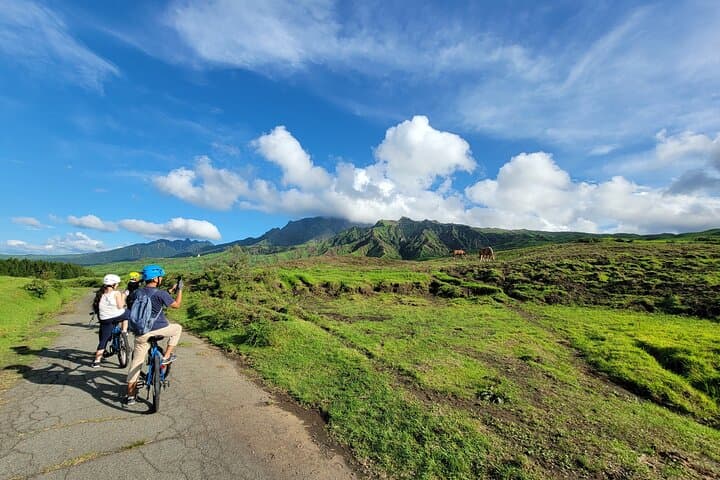
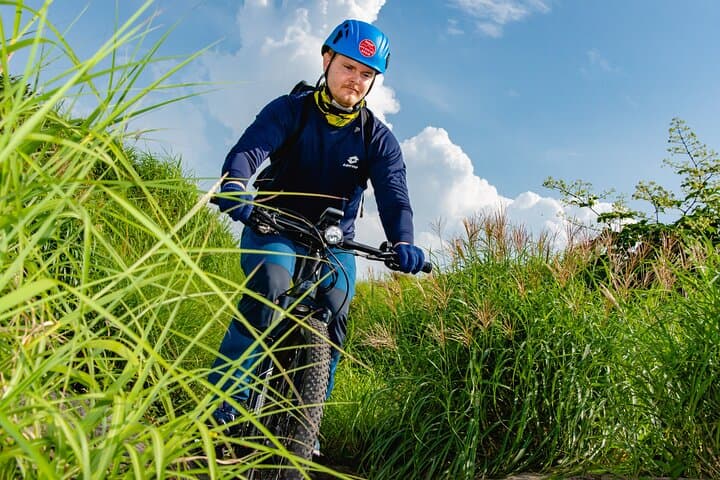
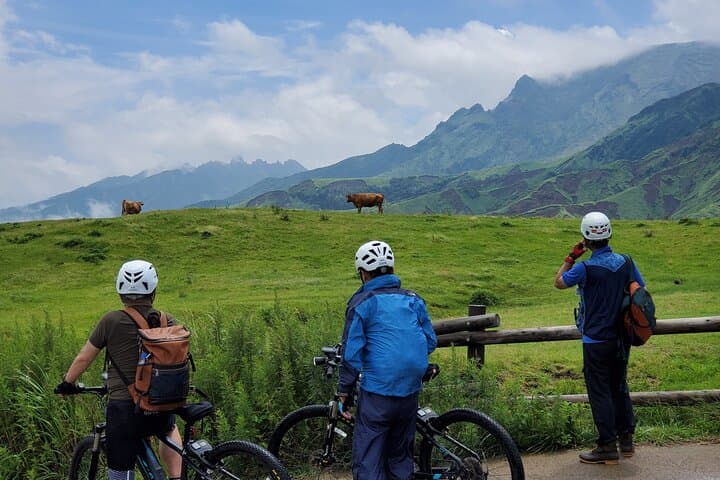
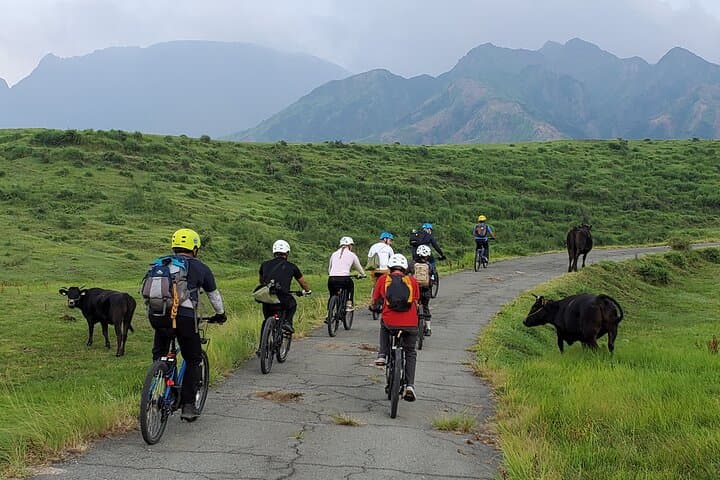
Morning air on the caldera edge feels thinner and colder as you clip into an electric mountain bike at JR Aso Station. The tour moves deliberately, first through low, cultivated lanes then up the historic "kusa no michi"—the old ascetic path—where the motor quietly takes the work out of the steep grades. By the time the grasslands open, the crater rims lay out in wide arcs, fumaroles punctuating the skyline and grass waving like a restless sea.
Morning air on the caldera edge feels thinner and colder as you clip into an electric mountain bike at JR Aso Station. The tour moves deliberately, first through low, cultivated lanes then up the historic "kusa no michi"—the old ascetic path—where the motor quietly takes the work out of the steep grades. By the time the grasslands open, the crater rims lay out in wide arcs, fumaroles punctuating the skyline and grass waving like a restless sea.
Mt. Aso sits in one of the largest volcanic calderas on Earth; its landscape is the record of repeated eruptions and centuries of human management. The grasslands here were shaped by grazing and fire, then formalized through postwar conservation like the Millennium Grassland program. Local communities tie festivals and shrines to the mountain’s rhythms, and roads such as Kusa-no-michi carry that cultural memory uphill.
Expect dirt and paved farm roads, rocky switchbacks, and brief steep pitches totaling about 800 m (2,600 ft) of elevation change between Aso Station (~500 m) and the Nakadake crater area (~1,260–1,300 m). The e‑motor smooths climbs; the descents reward with panoramic caldera views. Guides handle bike setup, safety briefings, and logistics—luggage can be stored and hot-spring recommendations provided.
Bring layered clothing, a daylight plan (4 hours typical), water, and a camera. Be mindful of volcanic activity closures and follow your guide’s instructions; the route is designed for mixed abilities but requires moderate fitness and basic bike handling.