THE ADVENTURE COLLECTIVE® · Independent discovery and booking for outdoor travel

A private two-hour walking tour that links Durham Cathedral, Castle and the River Wear with High Street markets and hidden river viewpoints. Ideal for couples who want a quiet, customizable introduction to the city’s medieval heart.
A private two-hour walking tour that links Durham Cathedral, Castle and the River Wear with High Street markets and hidden river viewpoints. Ideal for couples who want a quiet, customizable introduction to the city’s medieval heart.
Stand on the cobbled forecourt and the city tightens into focus: Durham Cathedral’s Norman lines rise above a loop of the River Wear, the castle’s keep watches the skyline, and narrow lanes funnel footsteps toward market stalls and quiet riverbanks.
Verified experiences and guided adventures in the surrounding area.
Operated by Opatrip England · Durham, County Durham
Stand on the cobbled forecourt and the city tightens into focus: Durham Cathedral’s Norman lines rise above a loop of the River Wear, the castle’s keep watches the skyline, and narrow lanes funnel footsteps toward market stalls and quiet riverbanks.
This two-hour private walking tour threads those landmarks together—an outside visit to Durham Cathedral and Castle, a stroll across Elvet and Framwellgate bridges, and time in the High Street, Market Hall, St Nicholas’ and Crook Hall’s gardens. Durham sits on a pronounced river meander, where medieval stonework and university colleges perch on terraces carved by the Wear; the city’s identity grew under the Prince Bishops, whose influence shaped civic and ecclesiastical architecture still visible today.
Along the route the river acts like a companion, sometimes bold and visible from bridges, sometimes muted behind trees, urging you to pause at vantage points such as Prebends and the Bailey walls. The Market Hall and High Street offer a taste of local life—bakeries, independent shops and seasonal stalls—while quieter alleys off the main drag reveal centuries-old doorways and gardened courtyards.
Practical note: expect cobbles, short flights of stone steps and narrow pavements. Wear sturdy shoes, bring a waterproof layer and time your visit for mid-morning light if you want the best photos. The private format means the guide can adapt pace and emphasis—history, architecture or local flavors—so communicate preferences when you book. Public transport links and nearby parking make Durham easy to reach for a compact, richly textured urban walk.
easy.
2 hours.
Suitable for most fitness levels; involves standing, walking on uneven surfaces and short stair sections.
Yes—this tour is private for your booking; the guide will work with your pace and interests.
Meet typically in front of Durham Cathedral’s forecourt; the route loops through the city and finishes near Framwellgate Bridge or High Street.
No—this itinerary includes outside visits to the Cathedral and Castle; admissions are not included but can be arranged separately if desired.
Parts of the route use cobbled streets and steps; contact the operator ahead of time to discuss accessible routing options.
Durham’s core grew around the 11th-century Cathedral and the seat of the Prince Bishops; the cathedral and castle form a UNESCO World Heritage site reflecting Norman and medieval power.
The River Wear’s banks are sensitive habitats—stay on designated paths and support local markets to reduce pressure on green spaces and sustain community-led conservation.
Opatrip England operates guided outdoor trips and adventures with an emphasis on safety, stewardship, and memorable experiences.


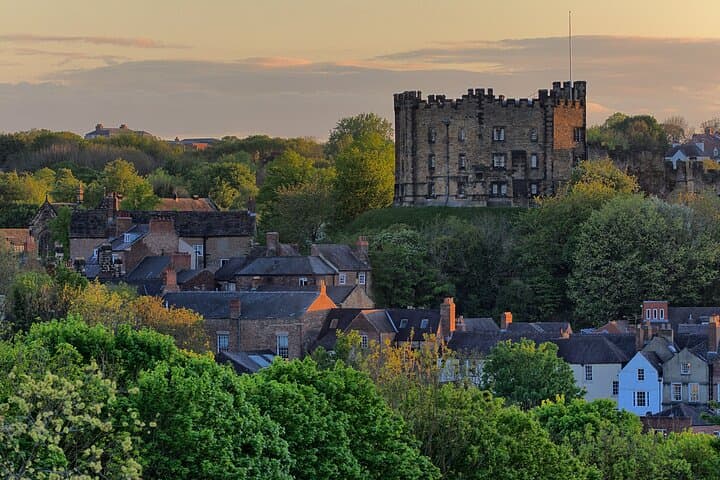
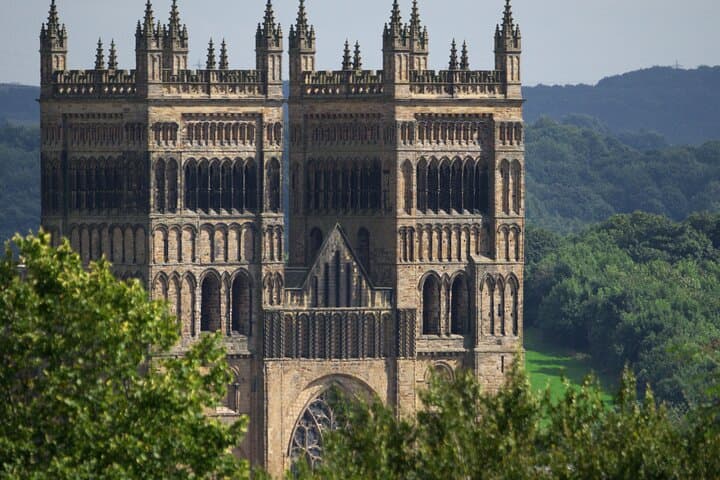
Stand on the cobbled forecourt and the city tightens into focus: Durham Cathedral’s Norman lines rise above a loop of the River Wear, the castle’s keep watches the skyline, and narrow lanes funnel footsteps toward market stalls and quiet riverbanks.
Stand on the cobbled forecourt and the city tightens into focus: Durham Cathedral’s Norman lines rise above a loop of the River Wear, the castle’s keep watches the skyline, and narrow lanes funnel footsteps toward market stalls and quiet riverbanks.
This two-hour private walking tour threads those landmarks together—an outside visit to Durham Cathedral and Castle, a stroll across Elvet and Framwellgate bridges, and time in the High Street, Market Hall, St Nicholas’ and Crook Hall’s gardens. Durham sits on a pronounced river meander, where medieval stonework and university colleges perch on terraces carved by the Wear; the city’s identity grew under the Prince Bishops, whose influence shaped civic and ecclesiastical architecture still visible today.
Along the route the river acts like a companion, sometimes bold and visible from bridges, sometimes muted behind trees, urging you to pause at vantage points such as Prebends and the Bailey walls. The Market Hall and High Street offer a taste of local life—bakeries, independent shops and seasonal stalls—while quieter alleys off the main drag reveal centuries-old doorways and gardened courtyards.
Practical note: expect cobbles, short flights of stone steps and narrow pavements. Wear sturdy shoes, bring a waterproof layer and time your visit for mid-morning light if you want the best photos. The private format means the guide can adapt pace and emphasis—history, architecture or local flavors—so communicate preferences when you book. Public transport links and nearby parking make Durham easy to reach for a compact, richly textured urban walk.