THE ADVENTURE COLLECTIVE® · Independent discovery and booking for outdoor travel

Spend a day tasting through four top Durbanville estates—De Grendel, Durbanville Hills, Diemersdal and Meerendal—while enjoying sweeping views of Table Mountain and Robben Island. This private tour combines cellar stories, optional lunch, and easy vineyard walks.
Spend a day tasting through four top Durbanville estates—De Grendel, Durbanville Hills, Diemersdal and Meerendal—while enjoying sweeping views of Table Mountain and Robben Island. This private tour combines cellar stories, optional lunch, and easy vineyard walks.
You step out of the vehicle onto a sun-creased slope and the city falls away beneath a sweep of vines that climb the Tygerberg Hills. Sea breezes push inland and, on a clear day, Table Mountain and Robben Island sit like distant markers above the rows of Sauvignon Blanc and Pinotage.
Verified experiences and guided adventures in the surrounding area.
Operated by Beyond Africa Safaris (Pty)Ltd · Durbanville, Western Cape
You step out of the vehicle onto a sun-creased slope and the city falls away beneath a sweep of vines that climb the Tygerberg Hills. Sea breezes push inland and, on a clear day, Table Mountain and Robben Island sit like distant markers above the rows of Sauvignon Blanc and Pinotage.
The Durbanville Wine Valley has produced wines since the early 1700s; Meerendal records plantings as far back as 1714 and six generations of winemakers still tend Diemersdal’s blocks. Geologically the area is shaped by older Cape Fold rocks under a veneer of well-draining soils—granite and decomposed shale—that, combined with cool maritime influence, gives crisp acidity to the whites and ripe structure to local reds.
On this private tour you’ll visit De Grendel, Durbanville Hills, Diemersdal and Meerendal, with tasting stops and an optional sit-down or picnic lunch overlooking vineyard panoramas. Expect cellar anecdotes about old-vine Pinotage and modern Sauvignon Blancs, plus the occasional cellar tour if prebooked.
Practical guidance: book tastings in advance during peak season, pace samples to avoid palate fatigue, and choose a picnic spot away from midday sun. The day is mostly driven with brief walks around estates—comfortable shoes and a light layer are enough. Keep a reusable bottle on hand; bottled water may be provided but conserving single-use plastics helps the region. Whether you come for the wines or the views, the rhythm of the Durbanville estates—sun, breeze, vine—sets a measured, memorable pace for the day.
easy.
8 hours.
Suitable for most fitness levels — minimal walking, mostly seated in vehicle with short vineyard strolls.
Tastings at the estates are included in the tour; lunch is optional and can be pre-arranged as a sit-down meal or picnic at one of the estates.
Yes—cellar tours and special tastings often require advance booking; ask your guide to arrange them before your visit.
The tour notes indicate wheelchair-accessible transportation and options—advise the operator at booking so they can accommodate specific needs.
Full refunds are available if you cancel at least 24 hours before the scheduled departure; later cancellations are non-refundable.
Durbanville’s vineyards date back to the early 1700s; estates such as Meerendal document continuous vine plantings since 1714, blending settler-era viticulture with modern techniques.
Many estates practice water-wise viticulture and alien vegetation management; visitors can help by sticking to paths and avoiding single-use plastics.
Beyond Africa Safaris (Pty)Ltd operates guided outdoor trips and adventures with an emphasis on safety, stewardship, and memorable experiences.
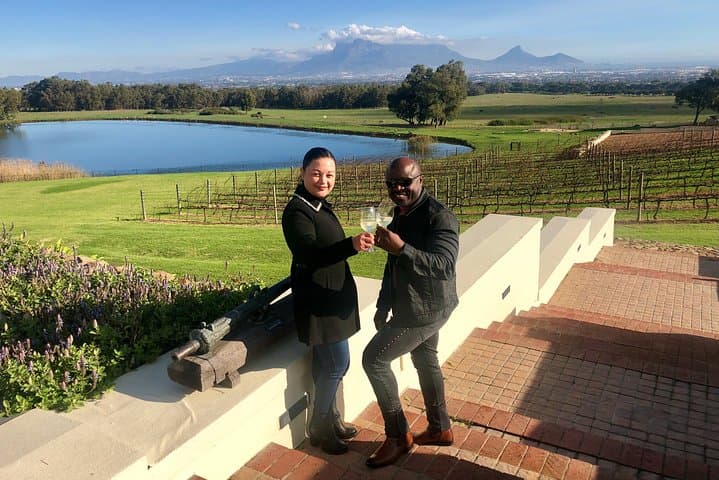
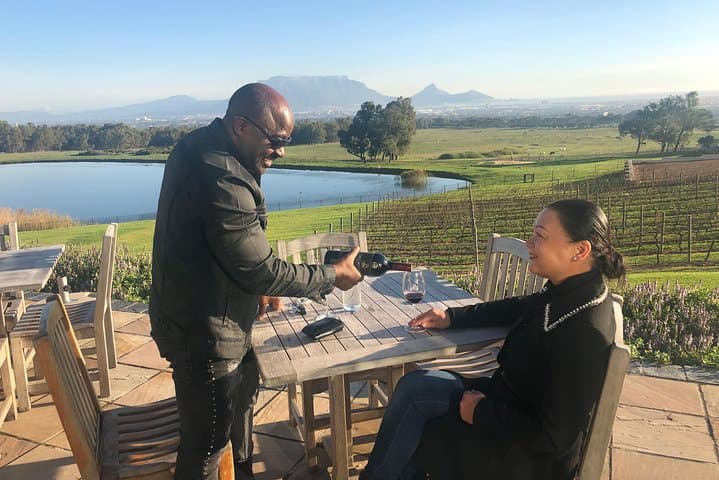
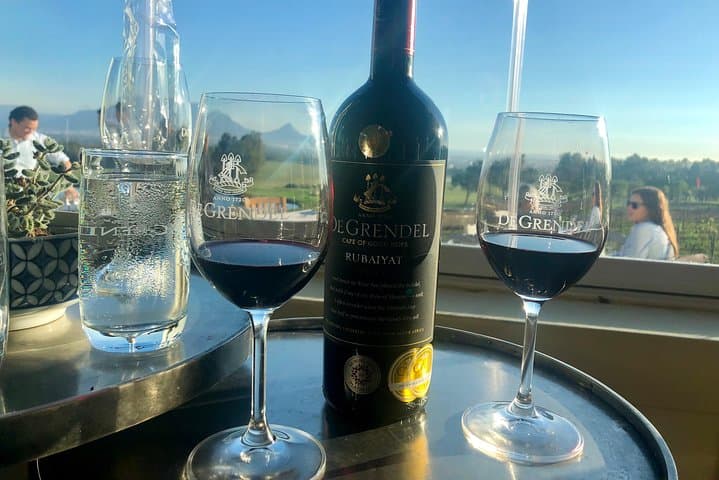
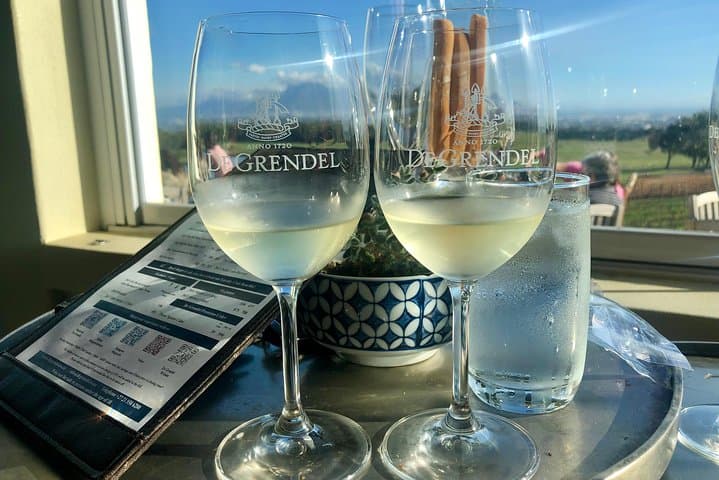
You step out of the vehicle onto a sun-creased slope and the city falls away beneath a sweep of vines that climb the Tygerberg Hills. Sea breezes push inland and, on a clear day, Table Mountain and Robben Island sit like distant markers above the rows of Sauvignon Blanc and Pinotage.
You step out of the vehicle onto a sun-creased slope and the city falls away beneath a sweep of vines that climb the Tygerberg Hills. Sea breezes push inland and, on a clear day, Table Mountain and Robben Island sit like distant markers above the rows of Sauvignon Blanc and Pinotage.
The Durbanville Wine Valley has produced wines since the early 1700s; Meerendal records plantings as far back as 1714 and six generations of winemakers still tend Diemersdal’s blocks. Geologically the area is shaped by older Cape Fold rocks under a veneer of well-draining soils—granite and decomposed shale—that, combined with cool maritime influence, gives crisp acidity to the whites and ripe structure to local reds.
On this private tour you’ll visit De Grendel, Durbanville Hills, Diemersdal and Meerendal, with tasting stops and an optional sit-down or picnic lunch overlooking vineyard panoramas. Expect cellar anecdotes about old-vine Pinotage and modern Sauvignon Blancs, plus the occasional cellar tour if prebooked.
Practical guidance: book tastings in advance during peak season, pace samples to avoid palate fatigue, and choose a picnic spot away from midday sun. The day is mostly driven with brief walks around estates—comfortable shoes and a light layer are enough. Keep a reusable bottle on hand; bottled water may be provided but conserving single-use plastics helps the region. Whether you come for the wines or the views, the rhythm of the Durbanville estates—sun, breeze, vine—sets a measured, memorable pace for the day.