THE ADVENTURE COLLECTIVE® · Independent discovery and booking for outdoor travel

Skim the walls of Dubrovnik, cut across the Adriatic and spend a private half- or full-day among the Elaphiti Islands. This customizable speedboat tour lets you choose stops—Blue Cave, Šunj beach, and secret bays—while a local skipper handles the sea.
Skim the walls of Dubrovnik, cut across the Adriatic and spend a private half- or full-day among the Elaphiti Islands. This customizable speedboat tour lets you choose stops—Blue Cave, Šunj beach, and secret bays—while a local skipper handles the sea.
A sharp breeze off the Adriatic cuts across the foredeck as the captain eases the throttle and Dubrovnik’s stone walls blur into open water. The private speedboat peels away from the Old Port, and the Elaphiti Islands—Koločep, Lopud, Šipan—arrive like chapters in a travel journal: turquoise bays that dare you to jump in, sculpted limestone cliffs, pines leaning toward the sea.
Verified experiences and guided adventures in the surrounding area.
Operated by Explore Dubrovnik · Dubrovnik, Dubrovnik-Neretva
A sharp breeze off the Adriatic cuts across the foredeck as the captain eases the throttle and Dubrovnik’s stone walls blur into open water. The private speedboat peels away from the Old Port, and the Elaphiti Islands—Koločep, Lopud, Šipan—arrive like chapters in a travel journal: turquoise bays that dare you to jump in, sculpted limestone cliffs, pines leaning toward the sea.
Geology here is simple and visual: the Dalmatian coast is karst limestone, fractured and weathered into cliffs, caves and shallow bays. The Elaphiti Islands are low and green, historically tied to Dubrovnik’s maritime republic—their olive groves and small villages were long suppliers of fruit, oil and sailors to the city.
Culture on the islands is small-scale and practical: family-run konobas, centuries-old parish churches, and locals who still harvest olives and figs. Boats and skippers are local extensions of that tradition—knowledgeable about currents, hidden coves and the best lunch spots.
Practical guidance: book a private tour to control timing—half- to full-day options allow a relaxed stop at Šunj beach (Lopud) or a swim into Koločep’s Blue Cave. Expect 4–10 hours aboard; bring reef-safe sunscreen, a snorkel mask (sets are usually provided), a light wind layer, and a dry bag for electronics. Hydration is crucial; the Croatian sun can be intense and the boat exposes you to reflected glare.
Safety notes: life jackets are provided and skippers are licensed; those with cardiovascular issues should consult a doctor. For quieter experiences, plan departures early in the morning or late afternoon when winds are gentler and bays are less crowded.
easy.
4–10 hours.
Suitable for people with basic mobility; must be able to climb aboard a small boat and optionally swim short distances.
Tours depart from Dubrovnik’s Old Port/Marina area; your exact pickup point will be confirmed at booking.
Yes—snorkel masks and basic gear are typically provided, but many guests prefer to bring their own mask for fit.
Children are welcome but must be supervised; life jackets are provided and infants may need to sit on an adult’s lap as required.
Tours may be canceled for unsafe conditions; full refunds are usually provided if canceled at least 24 hours prior or in case of bad weather.
The Elaphiti Islands were part of maritime supply routes for the Republic of Ragusa (Dubrovnik) and are dotted with small settlements and olive terraces reflecting centuries of coastal agriculture.
Practice responsible anchoring and refuse disposal; the Adriatic’s nearshore ecosystems are sensitive—avoid disturbing seagrass beds and use reef-safe products.
Explore Dubrovnik operates guided outdoor trips and adventures with an emphasis on safety, stewardship, and memorable experiences.
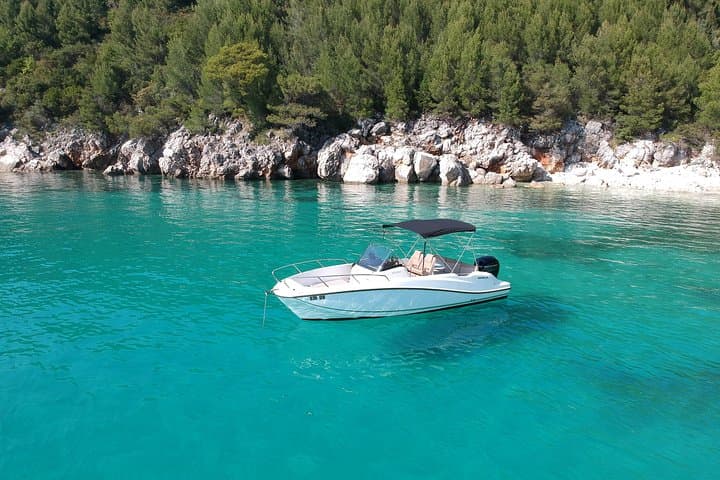
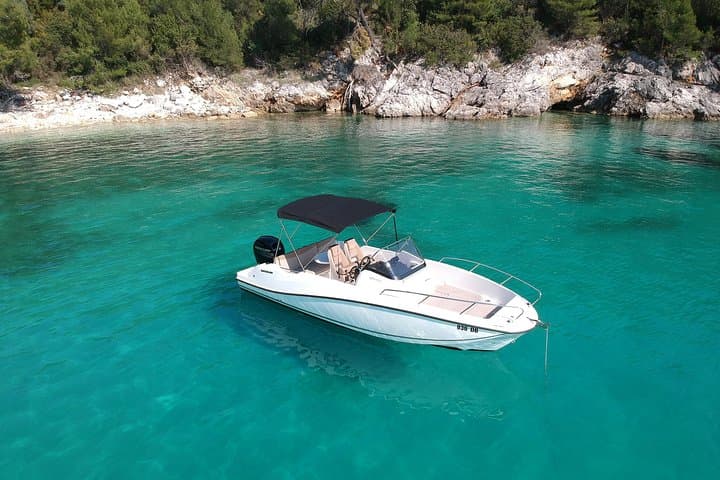
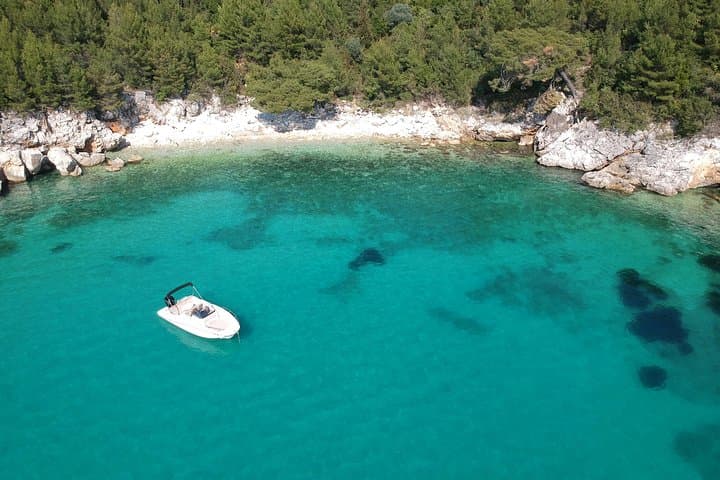
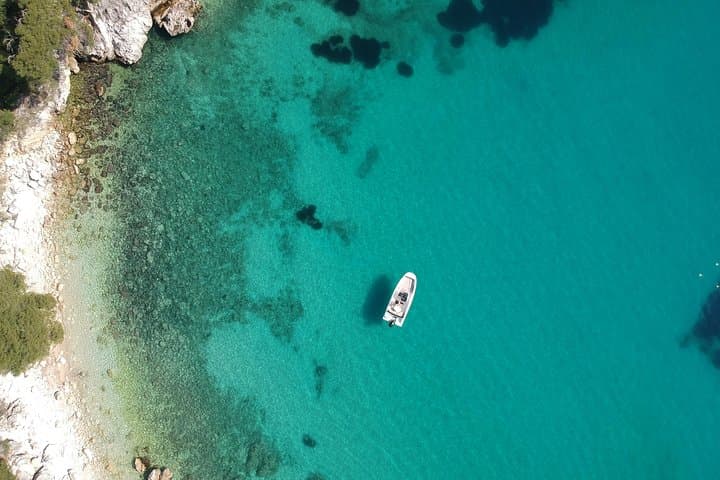
A sharp breeze off the Adriatic cuts across the foredeck as the captain eases the throttle and Dubrovnik’s stone walls blur into open water. The private speedboat peels away from the Old Port, and the Elaphiti Islands—Koločep, Lopud, Šipan—arrive like chapters in a travel journal: turquoise bays that dare you to jump in, sculpted limestone cliffs, pines leaning toward the sea.
A sharp breeze off the Adriatic cuts across the foredeck as the captain eases the throttle and Dubrovnik’s stone walls blur into open water. The private speedboat peels away from the Old Port, and the Elaphiti Islands—Koločep, Lopud, Šipan—arrive like chapters in a travel journal: turquoise bays that dare you to jump in, sculpted limestone cliffs, pines leaning toward the sea.
Geology here is simple and visual: the Dalmatian coast is karst limestone, fractured and weathered into cliffs, caves and shallow bays. The Elaphiti Islands are low and green, historically tied to Dubrovnik’s maritime republic—their olive groves and small villages were long suppliers of fruit, oil and sailors to the city.
Culture on the islands is small-scale and practical: family-run konobas, centuries-old parish churches, and locals who still harvest olives and figs. Boats and skippers are local extensions of that tradition—knowledgeable about currents, hidden coves and the best lunch spots.
Practical guidance: book a private tour to control timing—half- to full-day options allow a relaxed stop at Šunj beach (Lopud) or a swim into Koločep’s Blue Cave. Expect 4–10 hours aboard; bring reef-safe sunscreen, a snorkel mask (sets are usually provided), a light wind layer, and a dry bag for electronics. Hydration is crucial; the Croatian sun can be intense and the boat exposes you to reflected glare.
Safety notes: life jackets are provided and skippers are licensed; those with cardiovascular issues should consult a doctor. For quieter experiences, plan departures early in the morning or late afternoon when winds are gentler and bays are less crowded.