THE ADVENTURE COLLECTIVE® · Independent discovery and booking for outdoor travel

Drive, climb, and look out over Dubrovnik on a private two-hour panorama tour that stops at Franjo Tuđman Bridge, the Ombla springs, and Mount Srđ. Expect short walks, sweeping Adriatic views, and a primer on the city’s coastal geology and history.
Drive, climb, and look out over Dubrovnik on a private two-hour panorama tour that stops at Franjo Tuđman Bridge, the Ombla springs, and Mount Srđ. Expect short walks, sweeping Adriatic views, and a primer on the city’s coastal geology and history.
A salt breeze moves across the windshield as the minivan climbs toward Mount Srđ — the Adriatic opens up like a page of moving blue. Windows frame a succession of scenes: the modern sweep of Franjo Tuđman Bridge, the pocketed coves of Lapad, and the ribbon of the Ombla River where spring water appears almost rehearsed in its clarity.
Verified experiences and guided adventures in the surrounding area.
Operated by Magical Croatia · Dubrovnik, Dubrovnik-Neretva County
A salt breeze moves across the windshield as the minivan climbs toward Mount Srđ — the Adriatic opens up like a page of moving blue. Windows frame a succession of scenes: the modern sweep of Franjo Tuđman Bridge, the pocketed coves of Lapad, and the ribbon of the Ombla River where spring water appears almost rehearsed in its clarity.
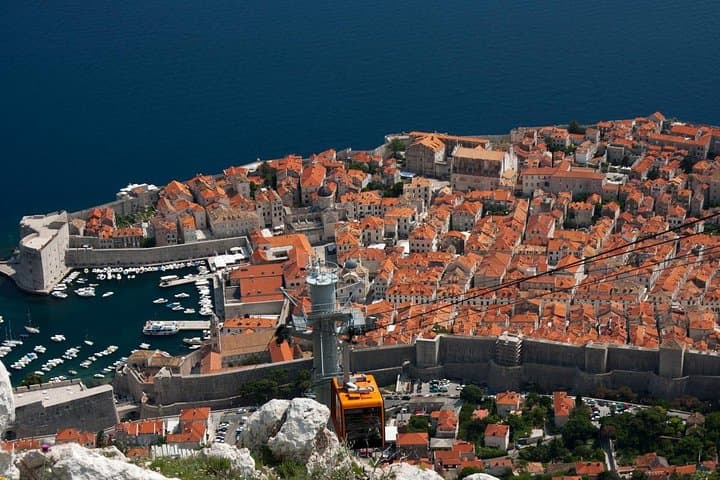
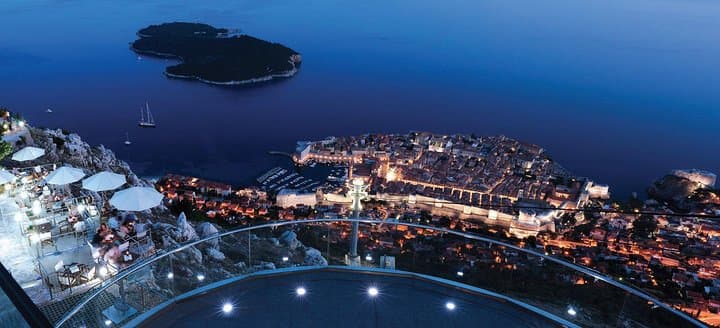
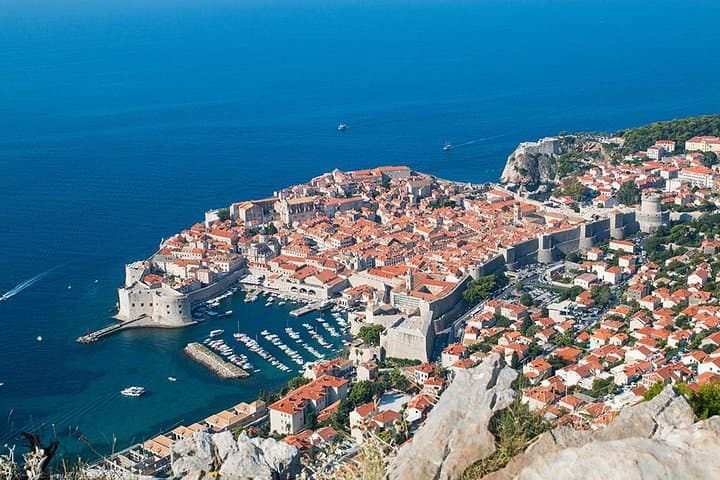
This two-hour private panorama tour stitches recent history and older geography together. Franjo Tuđman Bridge, a post-independence landmark named for Croatia’s first president, offers a modern vantage over a port shaped by maritime trade; the Ombla is noted as one of Europe’s shortest rivers, fed by karst springs that speak to the limestone backbone of the region. Mount Srđ itself has strategic significance — its forts watched the city for centuries and the summit gives a sweeping view over the Republic of Ragusa’s red roofs and Lokrum’s green outline.
Culturally, the ride passes everyday life: fishermen mending nets, cafés in Lapad, and the Old City’s stone rhythm seen from afar. Because viewpoints sit above exposed ridgelines, light and wind dictate the mood — sunset softens stone and sharpens island silhouettes.
Practical guidance: the tour is private, two hours long, and includes hotel or port pickup by air-conditioned minivan. Expect brief walks and steps at each stop; bring a refillable water bottle, a wind layer, sturdy shoes, and a charged camera. Aim for late afternoon for softer light and fewer midday crowds. Respect viewpoints and local signage — cliffs and coastal springs are fragile. With moderate fitness and basic mobility, travelers will find this short loop an efficient way to gather Dubrovnik’s most memorable panoramas into a single, panoramic hour.
moderate.
2 hours.
Suitable for travelers with moderate fitness; includes short walks, steps, and brief standing at viewpoints.
Yes — the private tour includes hotel or port pickup and drop-off by air-conditioned minivan.
Each stop requires short walks and some steps; overall mobility is moderate but no long hikes are required.
Children are welcome, but strollers may be difficult on steps at viewpoints—check with the operator for child-seat or accessibility options.
Late afternoon to sunset provides the warmest light and reduced harsh midday contrasts; early morning can also be quieter for views.
Dubrovnik grew as the maritime Republic of Ragusa; the area’s stone architecture and strategic viewpoints reflect centuries of seafaring and fortification. Franjo Tuđman Bridge is a modern landmark named after Croatia’s first president.
Visitors should avoid trampling coastal vegetation and respect signage at spring sites like the Ombla; Dubrovnik limits cruise impacts and local initiatives encourage off-peak visits to reduce crowding.
Magical Croatia operates guided outdoor trips and adventures with an emphasis on safety, stewardship, and memorable experiences.
A salt breeze moves across the windshield as the minivan climbs toward Mount Srđ — the Adriatic opens up like a page of moving blue. Windows frame a succession of scenes: the modern sweep of Franjo Tuđman Bridge, the pocketed coves of Lapad, and the ribbon of the Ombla River where spring water appears almost rehearsed in its clarity.
A salt breeze moves across the windshield as the minivan climbs toward Mount Srđ — the Adriatic opens up like a page of moving blue. Windows frame a succession of scenes: the modern sweep of Franjo Tuđman Bridge, the pocketed coves of Lapad, and the ribbon of the Ombla River where spring water appears almost rehearsed in its clarity.
This two-hour private panorama tour stitches recent history and older geography together. Franjo Tuđman Bridge, a post-independence landmark named for Croatia’s first president, offers a modern vantage over a port shaped by maritime trade; the Ombla is noted as one of Europe’s shortest rivers, fed by karst springs that speak to the limestone backbone of the region. Mount Srđ itself has strategic significance — its forts watched the city for centuries and the summit gives a sweeping view over the Republic of Ragusa’s red roofs and Lokrum’s green outline.
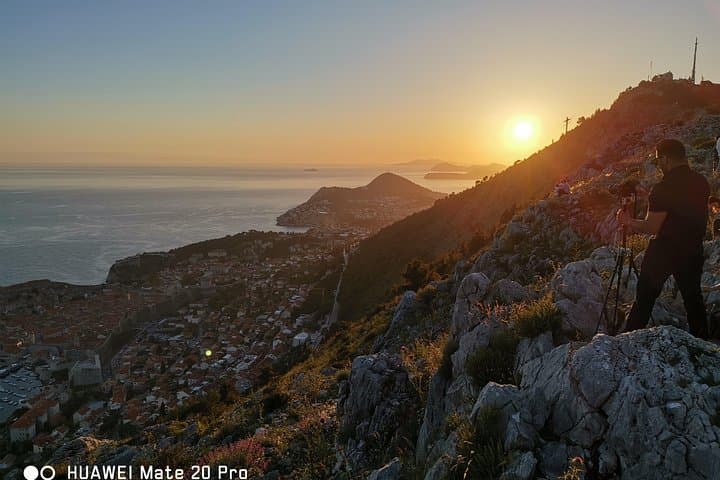
Culturally, the ride passes everyday life: fishermen mending nets, cafés in Lapad, and the Old City’s stone rhythm seen from afar. Because viewpoints sit above exposed ridgelines, light and wind dictate the mood — sunset softens stone and sharpens island silhouettes.
Practical guidance: the tour is private, two hours long, and includes hotel or port pickup by air-conditioned minivan. Expect brief walks and steps at each stop; bring a refillable water bottle, a wind layer, sturdy shoes, and a charged camera. Aim for late afternoon for softer light and fewer midday crowds. Respect viewpoints and local signage — cliffs and coastal springs are fragile. With moderate fitness and basic mobility, travelers will find this short loop an efficient way to gather Dubrovnik’s most memorable panoramas into a single, panoramic hour.