THE ADVENTURE COLLECTIVE® · Independent discovery and booking for outdoor travel

Walk Old Dubai after dark with a local guide: explore Al Fahidi’s wind‑tower lanes, haggle in the Spice and Gold souks, sample street snacks and cross Dubai Creek by abra. This private three‑hour tour mixes history, flavors and city lights for an accessible evening adventure.
Walk Old Dubai after dark with a local guide: explore Al Fahidi’s wind‑tower lanes, haggle in the Spice and Gold souks, sample street snacks and cross Dubai Creek by abra. This private three‑hour tour mixes history, flavors and city lights for an accessible evening adventure.
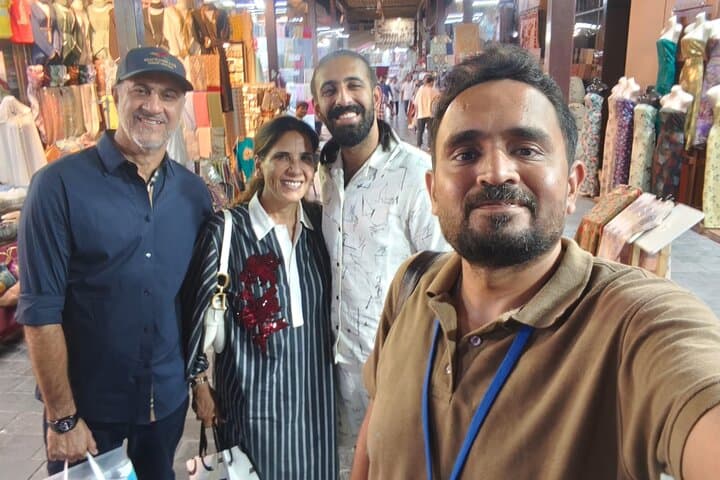
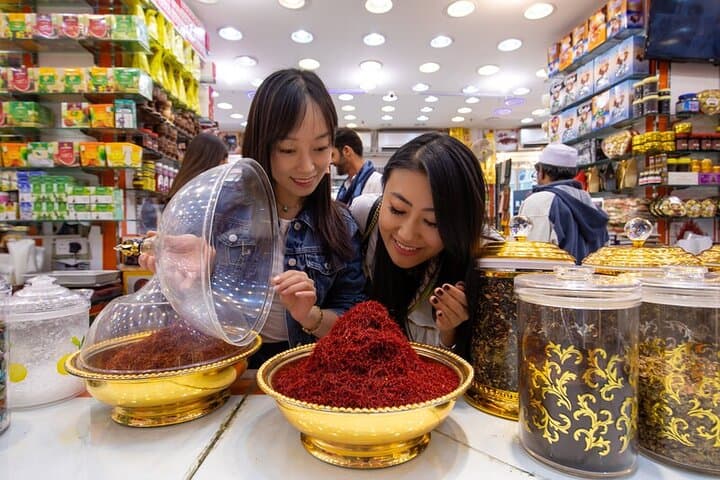
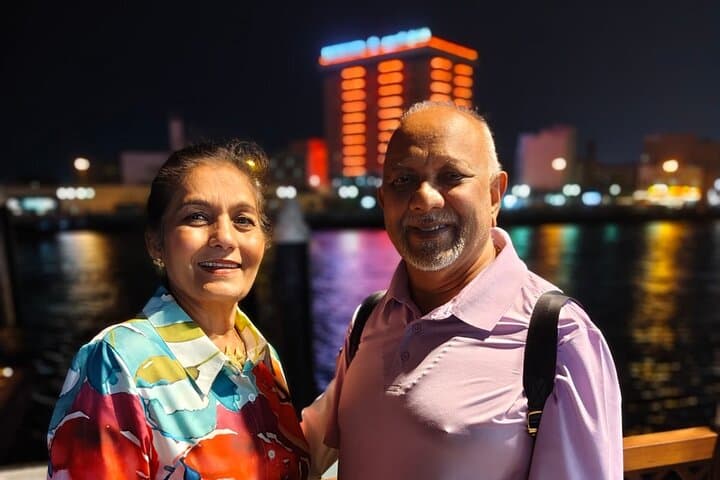
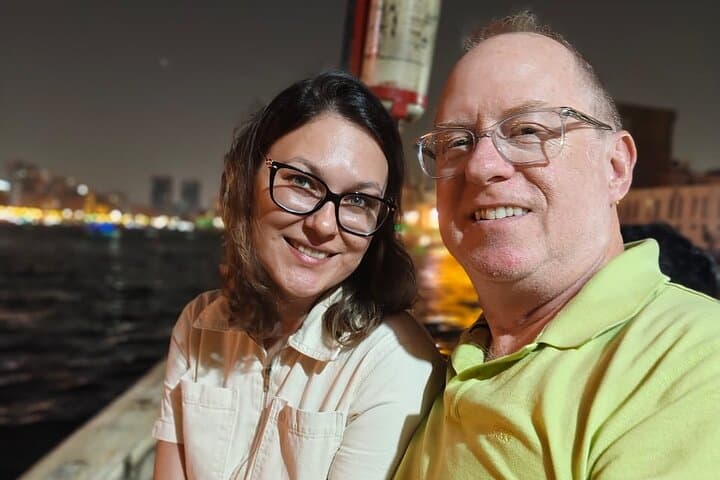
The market lanes of Old Dubai unfold under sodium lights and the city’s glass towers blink in the distance. You start in Al Fahidi’s narrow alleys, wind‑towers casting long, cool shadows, then step into the spice-scented air of the souks where vendors arrange mounds of turmeric, saffron and dried lime. An abra crosses Dubai Creek, its wooden hull cutting through a ribbon of reflected neon as dhows rock like patient workhorses waiting for morning commerce.
Verified experiences and guided adventures in the surrounding area.
Operated by KEY 2 DESTINATIONS · Dubai, Dubai
The market lanes of Old Dubai unfold under sodium lights and the city’s glass towers blink in the distance. You start in Al Fahidi’s narrow alleys, wind‑towers casting long, cool shadows, then step into the spice-scented air of the souks where vendors arrange mounds of turmeric, saffron and dried lime. An abra crosses Dubai Creek, its wooden hull cutting through a ribbon of reflected neon as dhows rock like patient workhorses waiting for morning commerce.
This part of Dubai — the Creek and its flanking souks — is the city’s historical artery. For centuries it hosted pearl divers, traders and merchants from South Asia and the Gulf; the Gold and Spice souks remain active reminders of that trade network. The built landscape combines coral-stone-era wind towers and early 20th-century merchant houses with the modern skyline watching from afar.
Practicalities: the tour runs around three hours and moves at an easy pace suitable for most travelers. Expect walking on narrow, sometimes crowded lanes and short stair sections in older buildings. Nighttime keeps temperatures manageable year-round, but bring a light layer in winter months. Carry small cash notes for street snacks and bargaining — many small vendors prefer dirham in hand.
Local guide expertise makes the difference: they point out fabric qualities in the Textile Souk, explain spice blends, and choose the best shawarma or falafel stops based on freshness and crowd patterns. If you have dietary restrictions or mobility needs, notify the operator in advance; alternatives and a gentler pace are usually possible. This tour is an efficient, sensory way to sample Dubai’s living history in a single evening.
easy.
2–3 hours.
Suitable for most fitness levels; involves 2–3 miles of walking on uneven or crowded market lanes with short standing breaks
Depending on the option selected, hotel pickup and drop‑off are available; otherwise meet at Sharaf DG Metro Station — confirm when booking.
Yes; inform the operator about allergies, vegetarian or other preferences in advance so street‑food tastings can be adjusted.
Many parts of the route and transportation are wheelchair accessible, but older lanes can be narrow — notify the provider so they can plan an accessible route.
Bargaining is common for textiles and souvenirs; start lower than your expected price and negotiate respectfully — for spices and food, prices are usually fixed.
Dubai Creek was the commercial heart of the emirate; for centuries it connected pearling and trade routes from the Gulf to South Asia, shaping the city’s marketplaces.
Practice low-impact tourism: carry reusable water to reduce plastic, avoid disturbing birds at the creek edge, and support small vendors who follow sustainable sourcing.
KEY 2 DESTINATIONS operates guided outdoor trips and adventures with an emphasis on safety, stewardship, and memorable experiences.
The market lanes of Old Dubai unfold under sodium lights and the city’s glass towers blink in the distance. You start in Al Fahidi’s narrow alleys, wind‑towers casting long, cool shadows, then step into the spice-scented air of the souks where vendors arrange mounds of turmeric, saffron and dried lime. An abra crosses Dubai Creek, its wooden hull cutting through a ribbon of reflected neon as dhows rock like patient workhorses waiting for morning commerce.
The market lanes of Old Dubai unfold under sodium lights and the city’s glass towers blink in the distance. You start in Al Fahidi’s narrow alleys, wind‑towers casting long, cool shadows, then step into the spice-scented air of the souks where vendors arrange mounds of turmeric, saffron and dried lime. An abra crosses Dubai Creek, its wooden hull cutting through a ribbon of reflected neon as dhows rock like patient workhorses waiting for morning commerce.
This part of Dubai — the Creek and its flanking souks — is the city’s historical artery. For centuries it hosted pearl divers, traders and merchants from South Asia and the Gulf; the Gold and Spice souks remain active reminders of that trade network. The built landscape combines coral-stone-era wind towers and early 20th-century merchant houses with the modern skyline watching from afar.
Practicalities: the tour runs around three hours and moves at an easy pace suitable for most travelers. Expect walking on narrow, sometimes crowded lanes and short stair sections in older buildings. Nighttime keeps temperatures manageable year-round, but bring a light layer in winter months. Carry small cash notes for street snacks and bargaining — many small vendors prefer dirham in hand.
Local guide expertise makes the difference: they point out fabric qualities in the Textile Souk, explain spice blends, and choose the best shawarma or falafel stops based on freshness and crowd patterns. If you have dietary restrictions or mobility needs, notify the operator in advance; alternatives and a gentler pace are usually possible. This tour is an efficient, sensory way to sample Dubai’s living history in a single evening.