THE ADVENTURE COLLECTIVE® · Independent discovery and booking for outdoor travel

Spend a half-day on Salisbury Plain with a private driver, expert commentary, a stop at an ancient wooden circle, and a pub lunch — a practical way to experience Stonehenge and its ritual landscape.
Spend a half-day on Salisbury Plain with a private driver, expert commentary, a stop at an ancient wooden circle, and a pub lunch — a practical way to experience Stonehenge and its ritual landscape.
You roll off the A303 and the low, grassy sweep of Salisbury Plain opens — wind pushing at your jacket, the ring of stones standing like patient sentries on the horizon. The driver eases the minivan to a stop and the stones command the view: rough sarsen faces, pale with lichen, cut across an ancient skyline.
Verified experiences and guided adventures in the surrounding area.
Operated by London Country Tours. · Amesbury, Wiltshire
You roll off the A303 and the low, grassy sweep of Salisbury Plain opens — wind pushing at your jacket, the ring of stones standing like patient sentries on the horizon. The driver eases the minivan to a stop and the stones command the view: rough sarsen faces, pale with lichen, cut across an ancient skyline.
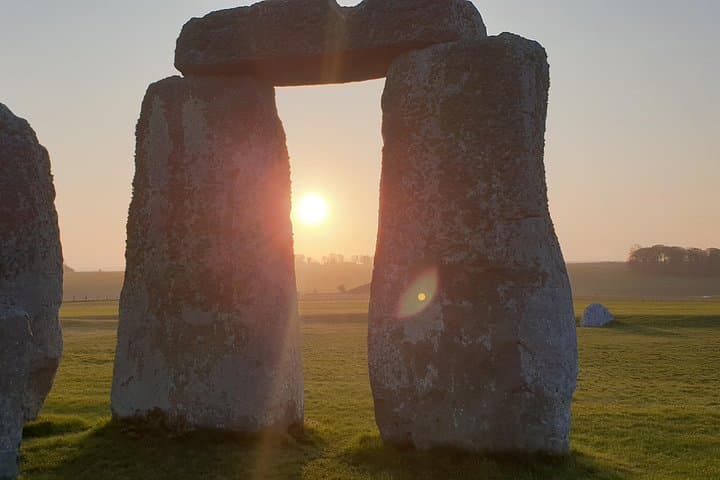
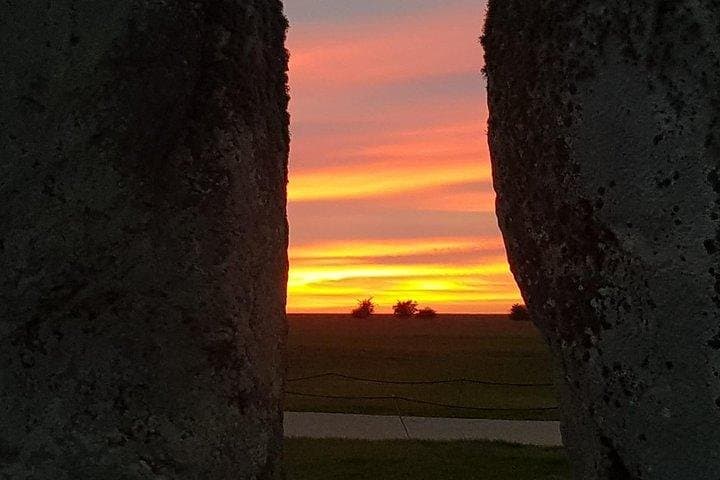
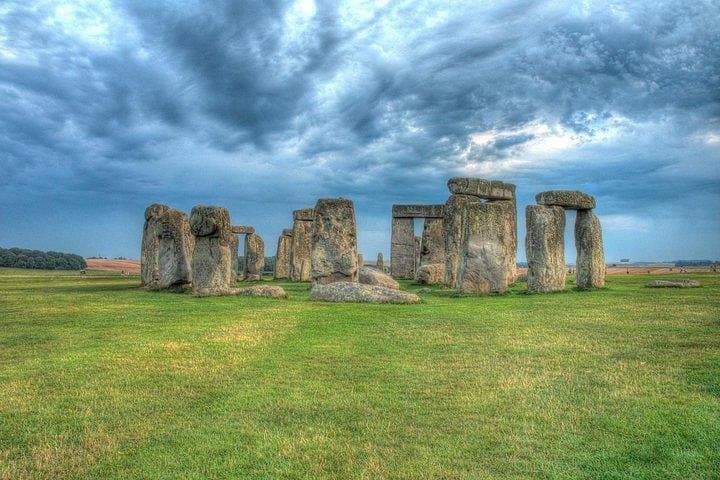
This is a landscape that records human decisions in stone. Built between roughly 3000–2000 BCE, Stonehenge combines massive sarsens with smaller bluestones transported from Wales; the result is both architectural and geological choreography. Nearby features — a timber circle known locally and historically as Woodhenge and the long barrows scattered across the plain — make the site part of a larger ritual and funerary complex rather than a lone curiosity.
Local culture tilts toward quiet stewardship: the National Trust and English Heritage manage access, and nearby villages like Amesbury and Salisbury keep centuries-old pubs where you can warm up after a brisk walk. On this private driver-guided outing expect guided commentary, roadside stops to view the wooden circle, and a scheduled pub lunch — practical touches that turn a short visit into a full-day field study.
Plan practically: pre-book Stonehenge admission if you want close access, wear sturdy shoes for chalk and gravel, and layer for sudden weather shifts. The walk from the car park to the stones is short but over uneven ground; carry water and a compact rain shell. Respect ropes and signage — the stones are fragile and the plain is a living archaeological record.
moderate.
6 hours.
Light to moderate fitness; mostly short walks with some standing periods and uneven ground.
Not always; the itinerary lists admission as not included so confirm with the operator and pre-book English Heritage tickets if you want close access.
The tour offers hotel or apartment pickup and drop-off — provide your pickup address when booking and confirm timing the day before.
Walking is light to moderate: short walks from the parking area to viewing points, plus standing while the guide explains the sites; expect uneven ground.
Infants and small children can use strollers for parts of the route, but some paths and viewing areas are uneven; check for infant seats and plan for easy transfers.
Stonehenge dates from the late Neolithic to the early Bronze Age and sits within a broader ritual landscape of barrows, avenues, and timber circles.
Controlled access protects fragile archaeology and chalk grassland habitats; visitors are asked to follow paths and preserve features for future research and enjoyment.
London Country Tours. operates guided outdoor trips and adventures with an emphasis on safety, stewardship, and memorable experiences.
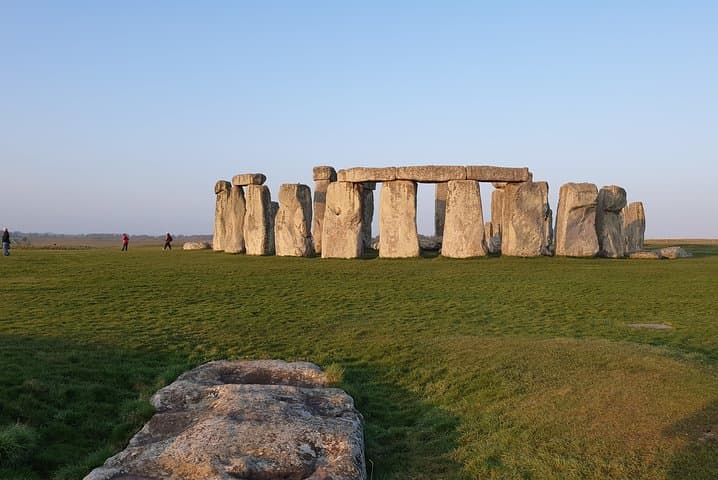
You roll off the A303 and the low, grassy sweep of Salisbury Plain opens — wind pushing at your jacket, the ring of stones standing like patient sentries on the horizon. The driver eases the minivan to a stop and the stones command the view: rough sarsen faces, pale with lichen, cut across an ancient skyline.
You roll off the A303 and the low, grassy sweep of Salisbury Plain opens — wind pushing at your jacket, the ring of stones standing like patient sentries on the horizon. The driver eases the minivan to a stop and the stones command the view: rough sarsen faces, pale with lichen, cut across an ancient skyline.
This is a landscape that records human decisions in stone. Built between roughly 3000–2000 BCE, Stonehenge combines massive sarsens with smaller bluestones transported from Wales; the result is both architectural and geological choreography. Nearby features — a timber circle known locally and historically as Woodhenge and the long barrows scattered across the plain — make the site part of a larger ritual and funerary complex rather than a lone curiosity.
Local culture tilts toward quiet stewardship: the National Trust and English Heritage manage access, and nearby villages like Amesbury and Salisbury keep centuries-old pubs where you can warm up after a brisk walk. On this private driver-guided outing expect guided commentary, roadside stops to view the wooden circle, and a scheduled pub lunch — practical touches that turn a short visit into a full-day field study.
Plan practically: pre-book Stonehenge admission if you want close access, wear sturdy shoes for chalk and gravel, and layer for sudden weather shifts. The walk from the car park to the stones is short but over uneven ground; carry water and a compact rain shell. Respect ropes and signage — the stones are fragile and the plain is a living archaeological record.