THE ADVENTURE COLLECTIVE® · Independent discovery and booking for outdoor travel

Take a full-day private trip from Prague to Dresden to see restored Baroque landmarks, world-class galleries, and the Elbe’s riverfront terraces. This guide explains what to expect—travel time, accessibility, and practical tips for a well-paced day in the Saxon capital.
Take a full-day private trip from Prague to Dresden to see restored Baroque landmarks, world-class galleries, and the Elbe’s riverfront terraces. This guide explains what to expect—travel time, accessibility, and practical tips for a well-paced day in the Saxon capital.
You arrive as the Elbe pulls the city into focus: bridges span slow brown water, stone façades catch midday light, and a church dome opens the skyline. The tour begins with a road run across the border from Prague, the countryside flattening into the Elbe valley until Dresden’s baroque roofs and terraces appear. Walking through the Altstadt, the city’s reconstructions and original monuments push history into the present — the Frauenkirche rising from careful restoration, the Zwinger’s limestone facing, and Brühl’s Terrace overlooking the river.
Verified experiences and guided adventures in the surrounding area.
Operated by Prague Tours by Tatiana · Dresden, Saxony
You arrive as the Elbe pulls the city into focus: bridges span slow brown water, stone façades catch midday light, and a church dome opens the skyline. The tour begins with a road run across the border from Prague, the countryside flattening into the Elbe valley until Dresden’s baroque roofs and terraces appear. Walking through the Altstadt, the city’s reconstructions and original monuments push history into the present — the Frauenkirche rising from careful restoration, the Zwinger’s limestone facing, and Brühl’s Terrace overlooking the river.
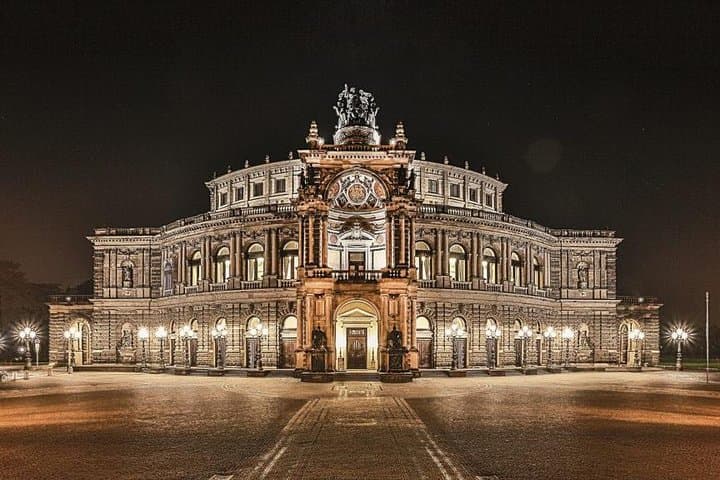
Dresden grew as an electors’ capital of Saxony, its collections reflecting centuries of princely taste: the Green Vault’s jeweled rooms, the Old Masters Gallery, and the Semper Opera provide cultural anchors. Geologically the city sits on the Elbe floodplain, with the nearby Elbe Sandstone formations just downstream shaping the region’s dramatic cliffs and river routes. Local dining leans Saxon — heavy roasts and dumplings — and the compact center still smells faintly of bakeries and coffee.
Practically, expect a full nine-hour outing: roughly two hours each way by private vehicle from Prague and five hours in Dresden for walking, short museum visits, and lunch. Cobblestones and occasional steps make good walking shoes essential; museum entry is typically not included and some galleries close Mondays. Wheelchair access is possible but can be interrupted by uneven pavement. Bring ID, euros, a portable charger and time to move at a measured, museum-friendly pace to get the most from a concentrated day in a city rebuilt for the future from its past.
moderate.
9 hours.
Moderate fitness required — full day of walking on cobbles and short standing museum visits.
Yes — private transportation with hotel pickup and drop-off is included in the tour.
No — admissions are generally not included; guests can choose which museums to enter and should reserve timed tickets when required.
The drive is about 2 to 2.5 hours each way depending on traffic, with the full tour running roughly nine hours total.
The tour is listed as wheelchair accessible, but some streets and historic sites have uneven surfaces; confirm specific route details with the operator when booking.
Dresden was the capital of Saxony and a cultural center for centuries; extensive World War II destruction was followed by meticulous post-war reconstruction, including the Frauenkirche completed in 2005.
The city balances restoration with modern conservation efforts—stick to marked paths in historic zones and follow site rules to protect fragile architecture and collections.
Prague Tours by Tatiana operates guided outdoor trips and adventures with an emphasis on safety, stewardship, and memorable experiences.
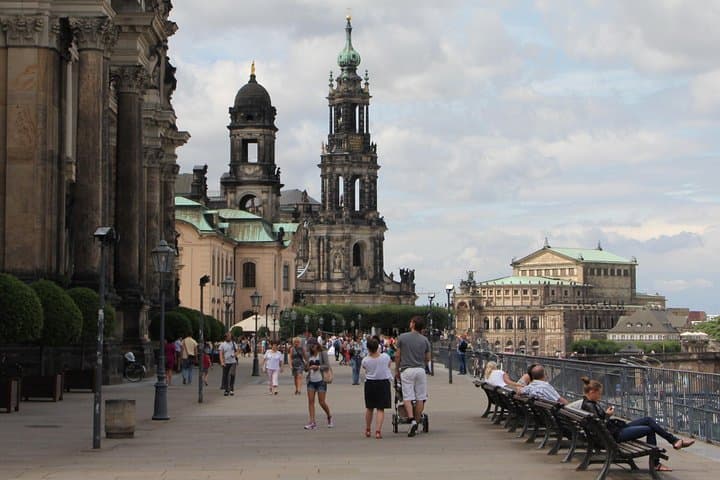
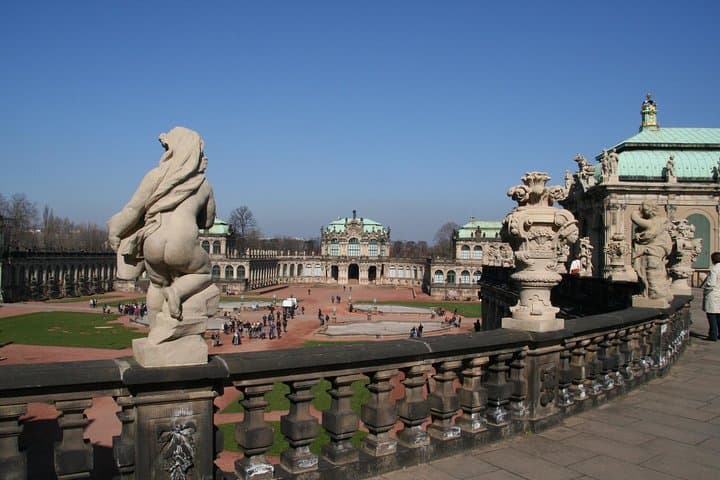
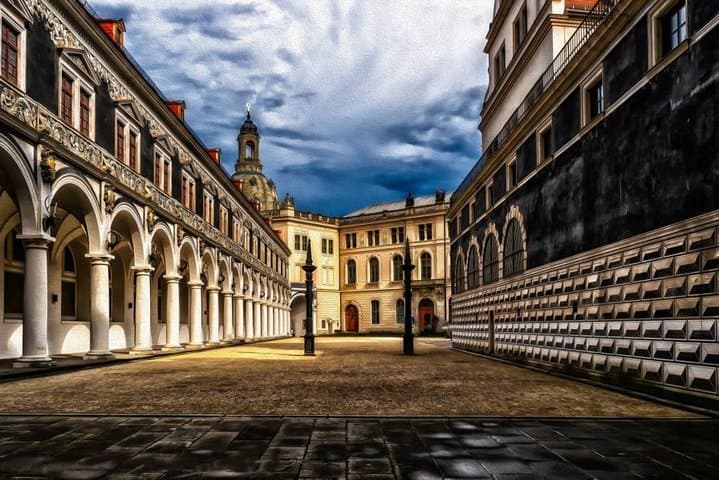
You arrive as the Elbe pulls the city into focus: bridges span slow brown water, stone façades catch midday light, and a church dome opens the skyline. The tour begins with a road run across the border from Prague, the countryside flattening into the Elbe valley until Dresden’s baroque roofs and terraces appear. Walking through the Altstadt, the city’s reconstructions and original monuments push history into the present — the Frauenkirche rising from careful restoration, the Zwinger’s limestone facing, and Brühl’s Terrace overlooking the river.
You arrive as the Elbe pulls the city into focus: bridges span slow brown water, stone façades catch midday light, and a church dome opens the skyline. The tour begins with a road run across the border from Prague, the countryside flattening into the Elbe valley until Dresden’s baroque roofs and terraces appear. Walking through the Altstadt, the city’s reconstructions and original monuments push history into the present — the Frauenkirche rising from careful restoration, the Zwinger’s limestone facing, and Brühl’s Terrace overlooking the river.
Dresden grew as an electors’ capital of Saxony, its collections reflecting centuries of princely taste: the Green Vault’s jeweled rooms, the Old Masters Gallery, and the Semper Opera provide cultural anchors. Geologically the city sits on the Elbe floodplain, with the nearby Elbe Sandstone formations just downstream shaping the region’s dramatic cliffs and river routes. Local dining leans Saxon — heavy roasts and dumplings — and the compact center still smells faintly of bakeries and coffee.
Practically, expect a full nine-hour outing: roughly two hours each way by private vehicle from Prague and five hours in Dresden for walking, short museum visits, and lunch. Cobblestones and occasional steps make good walking shoes essential; museum entry is typically not included and some galleries close Mondays. Wheelchair access is possible but can be interrupted by uneven pavement. Bring ID, euros, a portable charger and time to move at a measured, museum-friendly pace to get the most from a concentrated day in a city rebuilt for the future from its past.